More leads are great. More of the right leads are better.
For event planners, the best opportunities rarely come from one magic marketing channel. They come from being visible in the places where corporate decision-makers, venue partners, vendors, past clients, and referral sources are already looking for someone to call.
So, where should you be putting your time, energy, and marketing dollars right now? Start here.
1. The Event Planner Expo 2026
You already know what a great event can do for a client. It creates connections. It gets people talking. It puts the right people in the same room and gives them a reason to start a conversation.
Now use that same strategy for your own business.
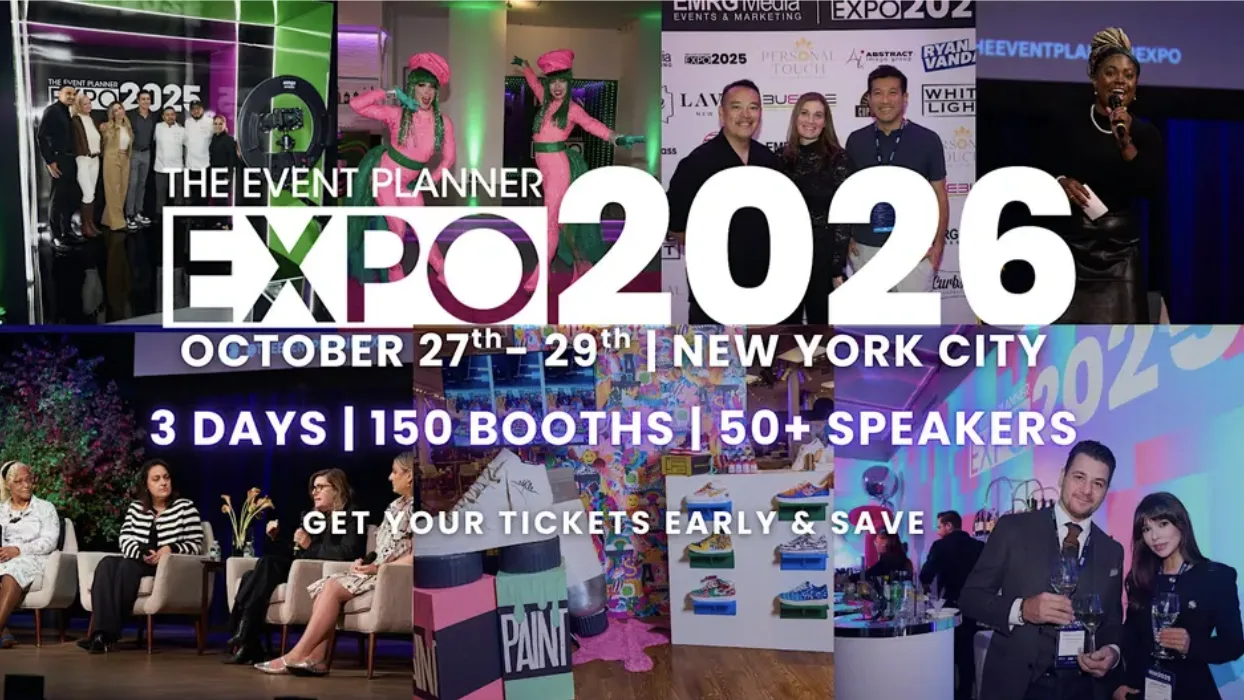
The Event Planner Expo 2026, happening October 27–29 in New York City, brings together event planners, corporate decision-makers, venues, suppliers, and other industry pros across three days of networking, education, and business development.
This is the room to be in if you want new relationships heading into 2027. Meet potential clients. Find new referral partners. Build your vendor network. Reconnect with people you already know. And spend three days talking business with people who actually understand the event world.
Don’t spend all year creating incredible rooms for everyone else and skip the one designed to grow your own business.
2. Referrals From Past Clients
A happy client is sitting on more potential business than you may realize.
They have colleagues. They know other executives. They belong to professional organizations. They attend fundraisers, conferences, company events, and industry gatherings. And when someone says, “We need an event planner,” a personal recommendation can move you to the top of the list fast.
Don’t leave referrals entirely to chance. Stay in touch after the event. Celebrate client milestones. Check in before the season when they typically start planning. Make it easy for someone who loved working with you to remember your name when an opportunity pops up.
3. Your Vendor and Venue Network
That photographer you recommend? The venue manager you’ve worked with six times? The caterer who knows you run a tight event?
They’re talking to potential clients, too.
Venues and event vendors often hear about upcoming events before planners ever see an inquiry. Build genuine relationships with the people working alongside you, and make sure they understand the kinds of events you want more of.
And return the favor. The best referral relationships aren’t one-way streets.
4. LinkedIn
For corporate event planners, LinkedIn deserves more attention than the occasional “Look at this beautiful event!” post.
Your next lead could be an executive assistant, marketing director, HR leader, experiential marketing team, association executive, or business owner already in your extended network.
Post useful observations from the events you’re producing. Share smart ideas. Comment on posts from people and companies you’d genuinely like to work with. Connect after meetings and industry events while the conversation is still fresh.
You don’t need to become a LinkedIn influencer. You need the right people to recognize your name and know what you do.
5. Google Search
Some prospects aren’t asking their network for a recommendation. They’re opening Google and searching.
That makes your website a lead source, not just an online portfolio.
Build pages around the work clients are actually searching for, including corporate event planning, conferences, product launches, galas, holiday parties, milestone celebrations, or the markets you serve. Keep your Google Business Profile current when applicable, collect reviews, and publish content that answers real planning questions.
Pretty pictures prove you can throw a party. Search-friendly content gives potential clients a way to find those pictures in the first place.
6. Instagram and Social Search
Instagram is still a natural fit for an industry this visual, but potential clients are looking for more than a gorgeous tablescape.
Show what happened behind it.
Share transformations, unusual entertainment, guest experiences, venue ideas, planning decisions, behind-the-scenes moments, and the details that made an event work. Use captions and profile copy that clearly identify what you plan and where you work.
Think like the person trying to hire you. Give them enough information to picture you handling their event.
7. Existing Clients With More Events to Plan
Before chasing another stranger on the internet, look at the people who already trust you.
A corporate client who hired you for an annual gala may also have leadership meetings, employee celebrations, holiday parties, customer events, conferences, retreats, or product launches on the calendar.
Ask about the year ahead. Learn who else inside the organization manages events. Look for opportunities to become a broader resource instead of a once-a-year vendor.
Sometimes your next “new” lead is already in your phone.
8. The Follow-Up List You’ve Been Ignoring
Old inquiries aren’t necessarily dead leads.
Budgets change. Dates move. Internal approvals take forever. A prospect who disappeared six months ago may finally have the green light.
Go back through old inquiries, proposals, networking contacts, and conversations that never quite turned into business. Reach out with an actual reason to reconnect instead of another “just checking in.”
A surprising amount of pipeline can be hiding in conversations you already started.
Put Yourself Where the Next Conversation Can Happen
The strongest lead strategy isn’t about showing up everywhere. It’s about creating more chances for the right people to encounter your business, remember your name, and have a reason to start talking.
And this October, one of those opportunities is already on the calendar.
The Event Planner Expo 2026 is October 27–29 in New York City. Choose the ticket experience that fits how you want to attend, block the dates, and make this one about building your next year of business.
Get your tickets to The Event Planner Expo 2026 and start filling your 2027 pipeline before January ever gets here.