Event marketing in NYC is shifting again. Not loudly. Not with one big platform announcement. It’s happening quietly, through smarter decisions, sharper positioning, and planners who’ve realized that promotion can’t be an afterthought anymore.
In 2026, the planners who win won’t be louder. They’ll be clearer. They’ll know exactly who they’re marketing to, what problem the event solves, and how to keep momentum moving long after doors close.
Here’s what’s actually working, based on where search behavior, buyer expectations, and event production trends are already heading.
1. Marketing the Outcome, Not the Experience
Search behavior in 2025 shows a steady shift away from “cool event ideas” and toward results-driven intent. People aren’t asking what an event looks like. They’re asking what it does.
NYC event planners who market outcomes clearly see stronger conversions. Instead of leading with themes, décor, or entertainment, they anchor messaging around what attendees walk away with: connections, insight, revenue, inspiration, visibility.
The experience still matters. But it’s no longer the headline.
2. Treating the Event Like a Media Brand
Events are no longer single moments. The strongest NYC events now behave like content engines. Planners heading into 2026 are building marketing plans that assume content capture, redistribution, and reuse from day one. Panels become video clips. Installations become social hooks. Audience reactions become proof.
This isn’t about filming everything. It’s about identifying what’s worth amplifying before the event even begins.
3. Designing for Shareability Without Forcing It
Search data keeps reinforcing the same truth. People share what feels organic. In 2026, forced photo ops fade out. What replaces them are environments and moments that naturally pull phones out. The marketing win comes from designing moments people want to document, not asking them to.
The difference is subtle, but guests feel it immediately.
4. Personalization That Starts Before Registration
Personalization used to mean badges and drink preferences. Now it starts with targeting. NYC event planners are paying closer attention to who they’re attracting and why. Marketing campaigns are more segmented. Messaging varies by audience type. Landing pages speak directly to intent.
The result is better attendance, better engagement, and fewer mismatched expectations on-site.
5. Leveraging Partnerships as Marketing Multipliers
Search interest around co-hosted events, brand collaborations, and cross-promotion continues to rise. That’s not accidental.
Planners in 2026 are choosing partners strategically, not just for execution, but for reach. Shared audiences mean shared momentum. And when aligned properly, partnerships extend marketing far beyond your own list.
6. Using Scarcity Intentionally, Not Aggressively
People respond to urgency when it’s real. Instead of constant discounting or artificial deadlines, smarter NYC event marketing leans into authentic scarcity. This might mean limited access, capped attendance, exclusive experiences, or location-based appeal.
Scarcity works best when it’s honest. Audiences can tell the difference.
7. Turning Speakers and Talent into Distribution Channels
Speakers aren’t just content anymore. They’re event amplification.
In 2026, planners are selecting speakers with reach, not just résumés. And they’re equipping them properly with assets, messaging, and incentives to share the event across their own platforms.
This turns promotion into a shared effort instead of a solo push.
8. Following Up Like a Marketer, Not an Administrator
Post-event follow-up is one of the most searched event marketing topics right now, and for good reason. NYC event planners who treat follow-up as part of the marketing lifecycle see better conversions. Emails reference specific moments. Content extends conversations. Next steps feel natural instead of transactional. Marketing doesn’t stop when the event ends. It compounds.
9. Aligning Event Marketing With Business Goals Earlier
More planners are being pulled into strategic conversations earlier, especially in corporate and branded events. That shift matters. When marketing goals are defined upfront, everything works better: promotion, programming, sponsorships, and measurement.
In 2026, the planners with a seat at the table will be the ones who speak business fluently.
10. Showing Up Where the Industry Gathers
Visibility still matters. Proximity still matters. Being in the right room accelerates everything else. For planners, producers, and brands serious about growth, exhibiting isn’t just exposure. It’s positioning. It’s market presence. It’s a signal that you’re active, invested, and ready for what’s next.
And for many, it becomes the first smart marketing decision of the year.
Make Your First Smart Marketing Move for 2026
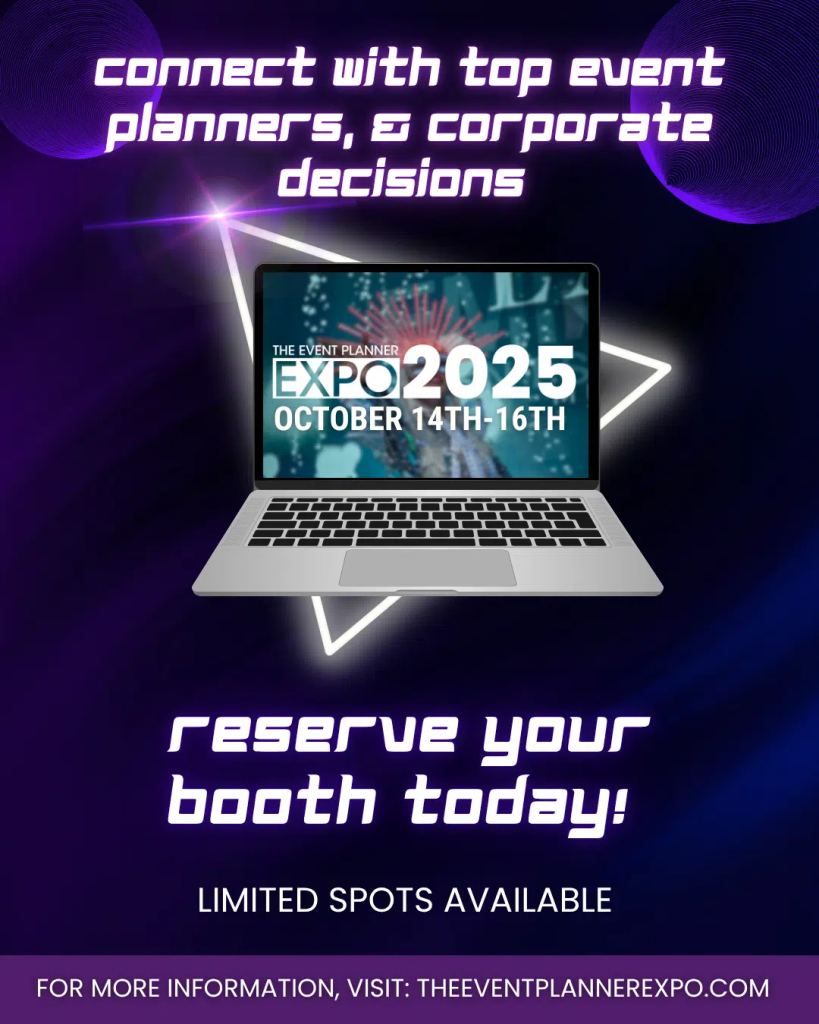
If you want your brand visible to the most powerful decision-makers in events, marketing, and hospitality, exhibiting at The Event Planner Expo 2026 is where that momentum starts.
This is your opportunity to showcase what you offer, build authority in the room, and connect directly with planners and buyers already looking ahead.
Reserve your booth now and lock in your place at the center of NYC’s event marketing conversations.