Most event planners treat email like a receipt.
You send the “thank you,” maybe a gallery link, maybe a “book us again” nudge… and then you disappear until you need something.
And then you wonder why past event clients don’t respond like they used to.
Here’s what’s changed going into 2026: inboxes are more crowded, attention is more selective, and the “same old newsletter” vibe gets deleted on reflex. The upside is that email is still one of the few channels you actually own, and the brands winning in 2026 aren’t sending more email. They’re sending smarter emails, built on trust, relevance, and consent.
So let’s talk about the email topics that keep you in your past clients’ orbit all year without sounding desperate, spammy, or like you’re recycling the same five lines with a new subject line.
First, a quick reality check: “engaged” doesn’t mean “ready to book tomorrow.”
It means:
- They still recognize your name when it hits their inbox.
- They see you as plugged-in and current.
- They feel like you understand what they care about now.
- When the next moment comes, you’re already the obvious choice.
That’s the whole game.
1) The “Insider Intel” Email: What’s Changing in Events Right Now
This is the easiest way to look modern without trying too hard.
Clients don’t want a planner who’s “creative.” They want a planner who’s current. Someone who knows what’s working, what’s outdated, and what’s quietly becoming a new expectation.
Your topic lane:
- What’s replacing the traditional photo booth experience right now
- What’s shifting in catering and bar experiences (and what clients are loving)
- The new standard for hybrid participation (and why passive livestreams are dead)
You don’t have to predict the future like a psychic. Just curate what you’re seeing and what it means for them. In 2026, marketers are leaning harder into AI and automation behind the scenes, but the front of the experience still needs to feel human and intentional.
Subject line ideas
- “What feels ‘modern’ in events right now (quick take).”
- “3 things clients are asking for more in 2026.”
- “The trend I don’t think is going away.”
2) The “You’ll Care Because…” Email: Ideas Tied to Their Life or Business
Your past clients don’t want random inspiration. They want relevance.
So instead of sending “Event trends,” send:
- “If you’re hosting clients this spring…”
- “If you’re planning an anniversary party this year…”
- “If your company’s trying to improve retention…”
- “If you want your fundraiser to feel less like a fundraiser…”
This is where segmentation starts paying rent. It’s also where the 2026 email strategy is heading in general: more first-party and zero-party data, more hyper-relevance, fewer big generic blasts.
Make it easy on yourself: create 3–5 “client types” and rotate through them.
- Corporate decision-maker (holiday party, client dinner, leadership offsite)
- Social milestone host (birthday, anniversary, mitzvah)
- Nonprofit/foundation (fundraiser, gala, donor experience)
- Brand/agency marketer (launch, experiential activation)
- Internal champion (assistant, HR lead, office manager)
3) The “Behind the Curtain” Email: Your Process, Not Your Portfolio
If your email is just pretty photos, you’re competing with Instagram.
Instead, make your email the place where people understand why hiring you is the smart move.
Topics that work year-round:
- “How we prevent the week-of chaos”
- “What actually determines a venue’s true capacity”
- “The decision that saves the most budget without killing the vibe”
- “The one timeline mistake that causes every other timeline mistake”
This kind of email turns your process into your brand. And that is exactly what past clients need when they’re deciding whether they’re going to DIY the next one or bring in a pro.
Short format idea: one quick story, one lesson, one takeaway.
4) The “Steal This” Email: Templates, Checklists, and Tiny Wins
Past clients stay subscribed when you keep being useful.
Give them something they can use without booking you today:
- “Client dinner run-of-show checklist”
- “Questions to ask a venue before signing”
- “How to write a guest-facing dress code that people actually follow”
- “A seating strategy that avoids weird cliques”
- “The 10-minute pre-event walkthrough that prevents day-of surprises”
This is also the kind of content that keeps newsletters performing when done right. Newsletters still work, but only when they earn their spot.
Subject line ideas
- “Steal this checklist”
- “Quick script you can copy/paste”
- “The question I ask every venue, every time”
5) The “Proof + Payoff” Email: Small Case Studies That Don’t Brag
You want social proof, but you don’t want to sound like you’re writing your own Wikipedia page.
So keep it grounded:
- What the goal was
- What the constraint was (budget, timing, venue limitation, VIP needs)
- What you did
- What the outcome was
And if you have numbers, use them carefully. A lot of email teams are shifting away from obsessing over open rates because privacy changes make them less reliable.
If you’re going to measure anything publicly, focus on outcomes clients actually care about: attendance, sponsorship value, RSVP lift, post-event sentiment, repeat bookings.
6) The “We Missed You” Email: No-Shows, Almost-Bookings, and Quiet Leads
This is where most planners get awkward and weird.
Don’t.
Split this into two separate emails:
A) The “sorry we missed you” for no-shows or cancellations
Keep it warm, simple, and value-forward. Post-event campaigns often include separate messaging for attendees vs. no-shows for a reason.
B) The “still thinking about it?” for past inquiries
Give them a low-pressure reason to reply:
- “Want me to send 3 venue options that fit your vibe?”
- “Want a rough budget range so you can plan realistically?”
- “Want a sample timeline so you can see what planning actually involves?”
No guilt. No begging. Just momentum.
7) The “Next Moment” Email: Seasonal Prompts Without the Corny Holiday Blast
You can stay top-of-mind all year if you anticipate the moments they’re likely to plan around:
- Q1: leadership offsites, kickoff meetings, awards dinners
- Spring: brand activations, client appreciation, graduations, showers
- Summer: rooftop events, corporate mixers, milestone birthdays
- Fall: fundraising season, conferences, mitzvah planning ramps up
- Q4: holiday parties, year-end celebrations, donor events
But don’t send a generic “Spring is here.”
Send a specific angle that makes them think, “Oh… we should do something.”
8) The Unsexy One That Matters: Inbox Trust and Deliverability
If your emails aren’t landing, your brilliant topics don’t matter.
2024 kicked off stricter bulk sender rules from major inbox providers, and enforcement has only tightened since. Gmail/Yahoo requirements push authentication (SPF/DKIM/DMARC) and easier unsubscribes as baseline expectations, and there’s increased emphasis on keeping spam complaint rates low.
You don’t have to become a deliverability nerd. Just don’t ignore the basics:
- Send from one consistent domain and “From” name
- Keep lists clean (stop emailing ghosts)
- Make unsubscribing easy (yes, really)
- Don’t buy lists. Ever.
This is part of looking modern now, too: professionalism behind the scenes.
A simple “Year-Round Engagement” Email Rhythm
If you want a plug-and-play cadence that doesn’t fry your list:
Monthly: one high-value newsletter (insight + practical takeaway)
Quarterly: one case study/proof email
Seasonal: one “next moment” planning prompt
As-needed: “we missed you” and re-engagement
That’s it. No chaos. No content hamster wheel.
Want better ideas than what’s floating around your feed?
If you’re serious about staying relevant in 2026, don’t rely on recycled LinkedIn takes and trend roundups written by people who haven’t produced an event in their life.
Get in the room with the planners, producers, brands, and partners shaping what’s next.
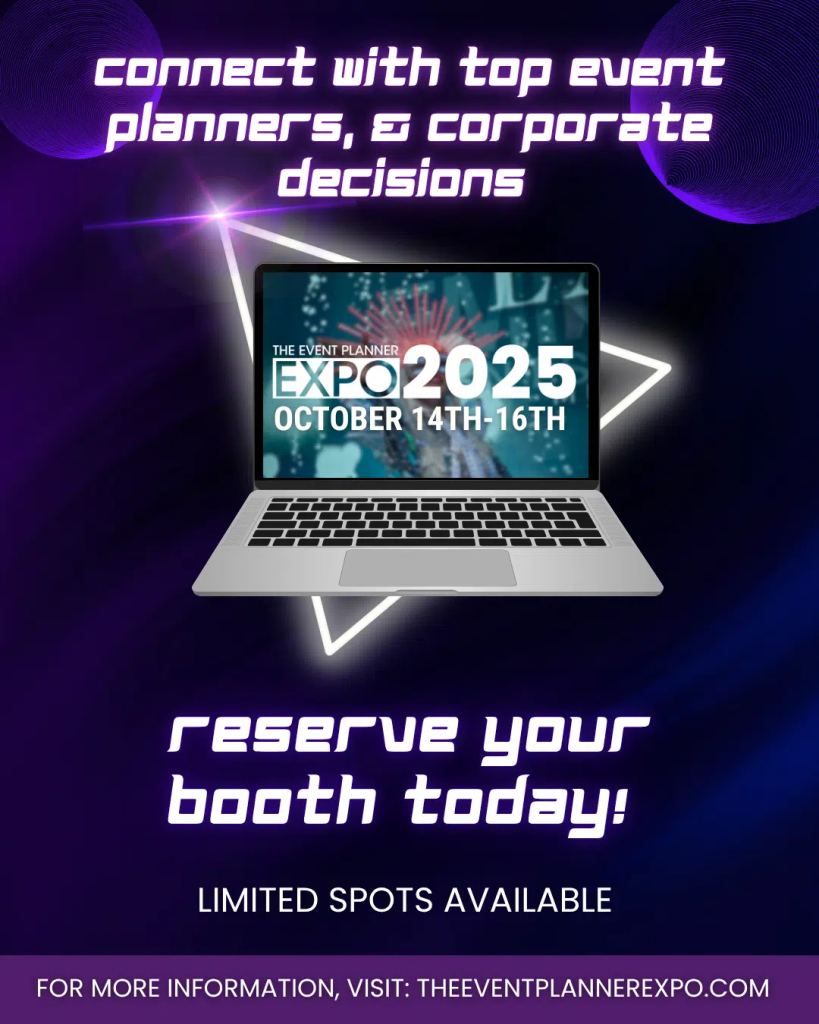
Get tickets to The Event Planner Expo 2026 and come steal the strategies, connections, and real-world inspiration you can turn into bookings all year.