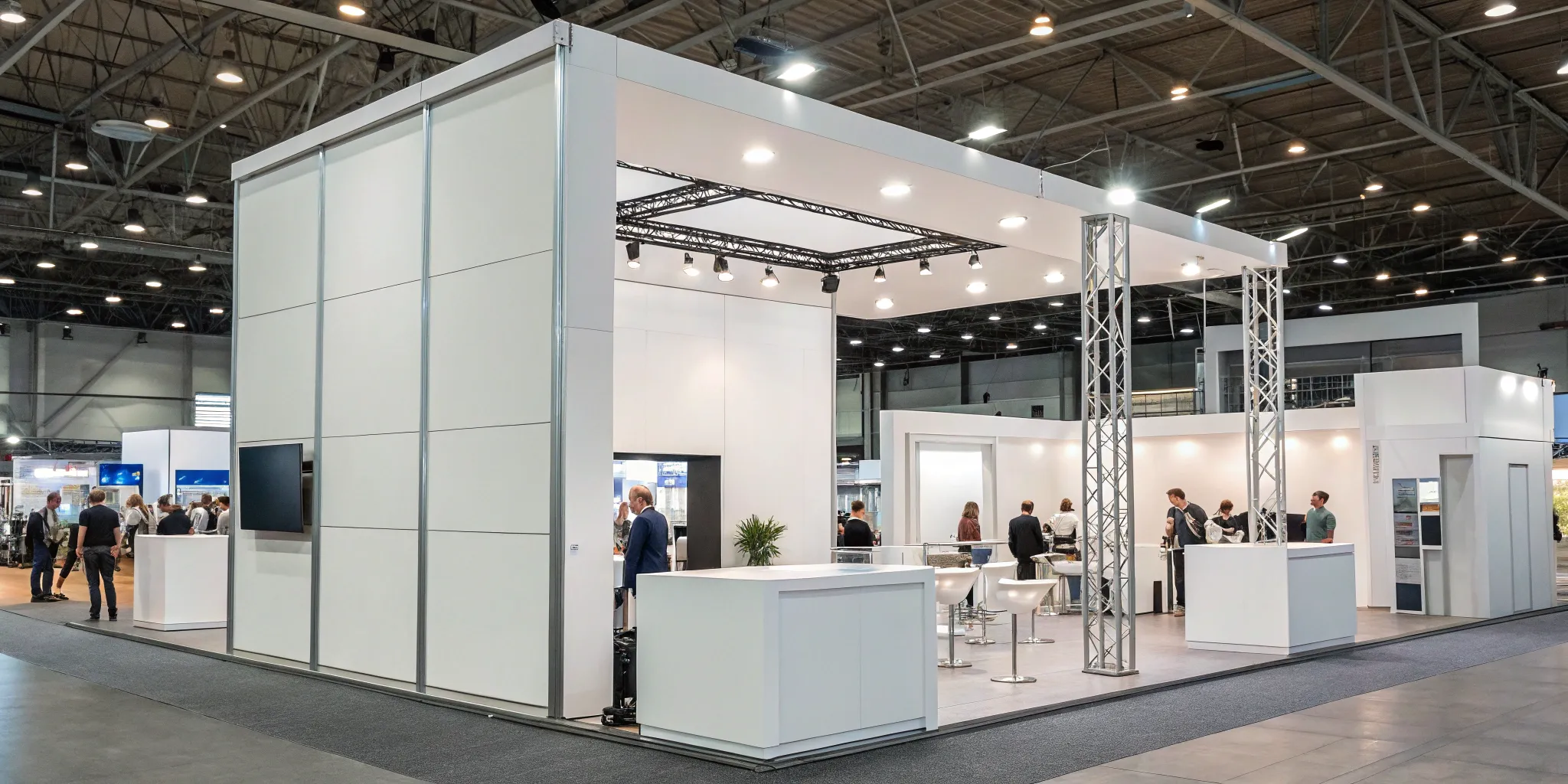
Your brand has a story to tell, and your trade show booth is the stage. In a sea of competitors, a compelling narrative is what captures attention and makes a lasting connection. Every element—from the layout that guides visitors on a journey to the lighting that sets the mood—contributes to that story. A cluttered, uninspired space tells one story, while a thoughtful, branded environment tells another. The goal is to create a physical extension of your brand that feels authentic and inviting. This guide is your playbook for becoming a master storyteller on the expo floor, packed with creative vendor booth ideas that will help you communicate your message clearly, engage attendees emotionally, and make your brand unforgettable.
Key Takeaways
- Build a Booth That Works for You: Go beyond aesthetics and design a space with a clear purpose. A smart layout guides visitors naturally, strong branding communicates your value instantly, and a clear focal point draws people in from the aisle.
- Create an Experience, Not Just a Display: The most effective booths give attendees something to do. Incorporate interactive elements like hands-on activities, live demos, or a photo op to make your brand memorable and encourage genuine engagement.
- Success Depends on Your Team and Your Follow-Up: A great booth is only half the battle. Prepare your team to be proactive and engaging, and have a solid plan to follow up with leads quickly and personally to turn those conversations into real business.
How to Make Your Vendor Booth Stand Out
Walking through a bustling expo hall is an experience for the senses. With so much to see, you have just a few seconds to catch someone’s eye and convince them your booth is worth their time. The goal isn’t just to stop traffic; it’s to create a space that invites people in and starts a conversation. A well-designed booth is your best handshake, communicating your brand’s value before you even say hello.
From your layout to your lighting, every detail contributes to the story you’re telling. Let’s walk through how to create a booth that not only looks incredible but also works hard for your business, turning curious passersby into genuine connections and potential clients.
Start with the Essentials
Before you get into the creative details, make sure you have the fundamentals covered. Your brand identity is the foundation of your booth design. Proudly showcase your logo and signature colors to build instant brand recognition. These elements should be clear and visible from a distance, acting as a beacon for attendees. Think of your booth as a physical extension of your website and marketing materials—consistency is key to building trust and recall.
Lighting is another essential that can completely change the feel of your space. The standard overhead lighting in an expo hall can be harsh and unflattering. Bringing in your own lighting fixtures allows you to create a mood that suits your brand. Whether it’s warm and inviting or bright and energetic, the right lighting makes your products look better and your space feel more welcoming.
Nail the First Impression
You only get one chance to make a first impression, and it happens the moment an attendee glances your way. Your booth’s layout is critical. Think about how you want people to move through your space. A great vendor booth layout has a clear and open entry point that feels inviting, not intimidating. Avoid blocking the entrance with a large table, which can create a physical and psychological barrier.
Instead, create a smooth traffic flow that guides visitors toward key areas, like a product display or an interactive station. The goal is to draw people in from the aisle and encourage them to explore what you have to offer. By planning your layout thoughtfully, you ensure visitors can easily navigate your space and engage with your brand without feeling crowded or confused.
Design a Booth Layout That Turns Heads
Your booth’s layout is the foundation of the entire visitor experience. It’s not just about arranging furniture; it’s about creating a welcoming environment that guides people through your space and encourages them to stay. A thoughtful layout can make a standard 10×10 booth feel open and engaging, while a poor one can make a large space feel cluttered and uninviting. The goal is to remove any physical or psychological barriers that might keep someone from stepping inside.
Before you start planning where to put your table, think about what you want attendees to do. Do you want them to watch a demo, try a product, or have a conversation with your team? Your layout should support that primary goal. By focusing on a clear path, using your space wisely, and creating a strong visual anchor, you can design a booth that doesn’t just stop traffic—it invites people in. Many of the top exhibitors at The Event Planner Expo master this, turning their spaces into must-see destinations on the show floor.
Use Your Vertical Space
In a bustling expo hall, the battle for attention is often won by looking up. Utilizing vertical space is essential for maximizing visibility and making your booth stand out from across the room. Instead of laying everything flat on a table, think about how you can draw the eye upward. Use tall, slender banners, shelving units, or grid walls to display products or graphics at different heights. This not only makes your products easier to see from a distance but also adds dimension and sophistication to your design. This simple shift in perspective can make your booth feel larger and more dynamic, ensuring you capture interest before an attendee even reaches your space.
Create a Natural Traffic Flow
The best booth layouts guide visitors on an intuitive journey. You want to create a smooth traffic flow that encourages people to enter, explore, and engage without feeling trapped or confused. Start by keeping the entrance to your booth open and accessible—avoid placing a large table across the front, which can act as a barrier. Instead, arrange your elements to create a clear path that leads attendees past your most important displays or interactive stations. A well-thought-out booth design considers where people will naturally walk and pause, making it easy for them to discover what you have to offer.
Design a Focal Point That Draws People In
Every great booth has a single, compelling focal point that grabs attention and communicates the brand’s essence in an instant. This is the visual anchor that hooks people in and makes them curious to learn more. Your focal point could be a large, beautifully designed back wall with your logo, a striking video screen playing a dynamic loop, or an artfully lit product display. To make it effective, infuse it with unique, brand-identifying features. Proudly showcase your logo and signature colors to create a memorable centerpiece that clearly answers the question, “Who are you and what do you do?”
Creative Ways to Showcase Your Products
The way you present your products can make or break an attendee’s decision to stop and engage. A cluttered table sends a very different message than a thoughtfully curated display. Your product showcase is a physical extension of your brand story, and it’s your best opportunity to capture attention in a crowded expo hall. It’s not just about putting items on a surface; it’s about creating an experience that invites people in, encourages them to touch and explore, and makes your offerings feel special. Let’s get into some creative strategies that go beyond the basics and help your products truly shine.
Think Beyond the Standard Table
That standard-issue folding table has its place, but it shouldn’t be the star of your show. To create a more dynamic and inviting display, think about using different heights and textures. Consider using tiered shelving units, stacked wooden crates, or elegant pedestals to draw the eye upward and highlight key products. For a more boutique feel, you could even bring in a unique piece of furniture like a vintage bookshelf or a modern console table. These elements break up the monotony of a flat surface and create a more engaging, shop-like environment that encourages people to step inside and browse.
Use Props and Themed Decor
Props are your secret weapon for telling a compelling brand story without saying a word. The key is to choose items that feel authentic to your brand and enhance your products. If you sell artisanal food, use rustic cutting boards and fresh greenery. If you have a tech product, use sleek acrylic stands and minimalist decor. You can create a booth space that stands out by infusing unique, brand-identifying features. Proudly showcase your logo and signature colors to create a cohesive look that feels intentional and professional. The goal is to build a small world around your products that people want to be a part of.
Make Your Products Pop with Smart Lighting
Never underestimate the power of good lighting. The harsh overhead lights of an expo hall do no one any favors. Bringing your own lighting is one of the easiest ways to make your booth feel more polished and inviting. Good lighting can make your booth feel welcoming (like soft, warm lights) or highlight specific products (with brighter lights). Use small, adjustable spotlights to draw attention to your hero products or new arrivals. Drape string lights to create a warm, ambient glow, or use LED strips under shelves for a modern, clean look. The right lighting makes your products look their best and helps your booth become a beacon on the show floor.
Add Interactive Elements That Engage Attendees
A passive booth is a forgettable booth. In a bustling expo hall, you can’t expect attendees to be drawn in by a simple table and banner. The best way to make a lasting impression is to give them an experience. By adding interactive elements, you invite people to step inside your world, engage with your brand, and create a memory that sticks with them long after they’ve left the event. It’s the difference between handing someone a flyer and having a meaningful conversation that could lead to a real partnership.
Interactive booths generate their own energy, turning passive observers into active participants. When people are having fun, they linger longer, ask more questions, and are more open to hearing what you have to say. This is your chance to build genuine connections and stand out from the crowd. The most successful exhibitors understand this and design their spaces to be hubs of activity, not just static displays. They know that an engaging experience is what transforms a casual passerby into a warm lead. From hands-on activities to social media-worthy photo ops, these strategies will help you create a booth that people are excited to visit and remember.
Offer Hands-On Activities
Give attendees something to do with their hands. A “Make & Take” activity is a fantastic way to draw people in and create a personal connection. Let visitors assemble a small branded item, customize a product sample, or participate in a mini-workshop related to your services. For example, a catering company could host a cupcake decorating station, while a tech brand could offer a quick coding challenge. This approach does more than just attract attention; it gives your team a natural way to start conversations while attendees are engaged. Plus, they get to leave with a unique souvenir that will keep your brand top of mind.
Run a Contest or Giveaway
Everyone loves the chance to win something. A well-planned contest or giveaway is a time-tested strategy for capturing qualified leads. The key is to offer a prize that is genuinely valuable and directly related to your brand. Instead of a generic gift card, consider giving away a premium version of your product or a significant credit toward your services. This ensures that the people who enter are actually interested in what you offer. Make the entry process as simple as possible—a quick QR code scan or a business card drop is perfect for collecting contact information without slowing anyone down.
Host Live Demonstrations
Show, don’t just tell. Live demonstrations bring your product or service to life in a way that a brochure never can. Schedule demos throughout the day to showcase how your product works, solve a common problem, or highlight its most exciting features. If you sell software, run a live walkthrough on a large screen. If you have a physical product, show it in action. Post a schedule of your demo times so attendees can plan to return. This not only educates potential customers but also positions your team as experts and builds immediate trust and credibility. It’s your chance to create your own mini-stage and capture attention.
Create a Social-Ready Photo Op
Turn your attendees into brand ambassadors by giving them a reason to post about you online. A creative, well-lit photo op with a branded backdrop and your event hashtag is a powerful tool for extending your reach beyond the expo floor. Think about a fun background, oversized props, or a unique seating area that begs to be photographed. When people share their photos on social media, they’re giving your brand an authentic endorsement. Make it easy for them by clearly displaying your social media handles and hashtag, and watch as the user-generated content starts rolling in.
Brand Your Booth to Be Memorable
A great layout and interactive elements will get people to your booth, but strong branding is what makes them remember you long after the expo ends. In a bustling hall filled with hundreds of unique exhibitors, your brand is your anchor. It’s the visual and emotional shortcut that tells attendees who you are, what you do, and why they should care—all in a matter of seconds. Think of your booth as a physical manifestation of your brand’s personality. Is it sleek and modern? Fun and energetic? Warm and inviting? Every choice you make, from the color of your tablecloth to the font on your banners, should work together to tell a clear and compelling story. A memorable brand experience doesn’t just look professional; it builds trust and makes your business feel established and reliable. When attendees are sorting through their business cards and brochures later, you want your company to be the one that instantly comes to mind.
Use Color and Consistent Visuals
Your brand’s colors are one of your most powerful tools for recognition. Use them boldly and consistently throughout your booth. This isn’t the time to be shy—proudly showcase your logo and signature colors to create a cohesive look that people will associate with your business. Think about everything from your backdrop and flooring to smaller details like staff uniforms and presentation materials. When an attendee glances at your booth from across the aisle, your color palette should be the first thing that catches their eye and signals who you are. This visual consistency makes your space look polished and intentional, helping you stand out from the crowd and build immediate brand recall.
Design Signage That Works from All Angles
Your signage is your silent salesperson, so make sure it’s working hard for you. Effective signage should be clear and visible from a distance, drawing people in from the busy aisles. Use large, easy-to-read fonts and high-contrast colors to ensure your key message is legible even from afar. Think about placement, too. A hanging banner can capture attention from across the hall, while well-placed signs within your booth can guide visitors through your offerings. Your main sign should clearly state your company name and what you do. Avoid cluttering it with too much text; a powerful tagline or a key benefit is much more effective for grabbing attention quickly.
Create a Cohesive Brand Experience
Your booth should tell a story that reflects your brand’s identity. Every element should feel connected and purposeful, from the big picture down to the smallest detail. Use consistent colors, professional signage, and branded tablecloths to create a professional look that resonates with your audience. But it goes beyond just visuals. The music you play, the scent in your space (if appropriate), and the way your team interacts with visitors all contribute to the overall experience. When you exhibit at an event, you’re not just showing off products; you’re inviting people into your brand’s world. Make sure that world is inviting, consistent, and memorable.
Offer Giveaways That Reinforce Your Brand
Everyone loves free stuff, but the most effective giveaways are both useful and on-brand. Instead of a generic pen, hand out memorable items that align with your brand values and will actually be used. Think about your target audience: what would they find valuable? It could be a high-quality tote bag, a portable phone charger, or a clever desk accessory. This not only attracts visitors to your booth but also keeps your brand top of mind long after the event is over. The goal is for your giveaway to become a walking advertisement and a positive reminder of their interaction with your company, making it a smart investment in your marketing strategy.
Weave Technology into Your Booth
Technology isn’t just for tech companies. Integrating digital elements into your booth can create a more dynamic, engaging, and memorable experience for everyone who stops by. Think of it as a way to tell your brand’s story in a more compelling way, cutting through the noise of a busy expo floor. At an event filled with top-tier exhibitors, using technology thoughtfully can be the difference between a quick glance and a meaningful conversation. It shows you’re modern, innovative, and invested in providing a great experience.
From interactive screens that invite play to seamless lead capture that makes follow-up a breeze, technology helps you work smarter, not harder. It can automate tasks, gather valuable data, and extend your reach far beyond the physical confines of your booth. The key is to choose tools that enhance your message and make it easier for attendees to connect with you, rather than adding technology for its own sake. When used correctly, it becomes an essential part of your booth’s design and strategy, helping you attract the right people and achieve your event goals.
Add Digital Displays and Interactive Screens
Swap out static posters for dynamic digital displays that can showcase video testimonials, product demos, or a rotating gallery of your best work. This movement naturally catches the eye and allows you to share more information in a compact space. Go a step further with interactive digital screens like touch screens or tablets where visitors can explore your offerings at their own pace. You could feature an interactive quiz, a digital catalog, or even a simple game. This gives people a reason to linger and allows them to engage with your brand in a hands-on, memorable way.
Integrate Social Media On-Site
Turn your booth into a social media hotspot. Create a unique, easy-to-remember hashtag for the event and display it prominently. Encourage visitors to snap photos at your booth—especially if you have a cool photo op—and share them using your hashtag. You can even run a contest where you reward the best post each day. This strategy generates user-created content and extends your brand’s visibility to a wider online audience. You can also leverage social media platforms by going live from your booth to share updates, interview guests, or give a virtual tour to followers who couldn’t attend in person.
Use Modern Tools to Capture Leads
Ditch the clipboard and fishbowl for business cards. A modern lead capture system using a tablet or a dedicated app is far more efficient and professional. It allows you to collect visitor information quickly and accurately, and you can often add notes about your conversation right away. This digital approach streamlines the entire process, reduces the risk of losing valuable contacts, and makes post-event follow-up much faster. Many apps integrate directly with your CRM, so new leads are automatically added to your sales pipeline, ready for your team to connect with while the memory of your booth is still fresh.
Budget-Friendly Ideas That Still Pack a Punch
A stunning booth doesn’t require a massive budget. With a bit of creativity, you can create an experience that feels premium and draws people in. It’s all about being strategic and focusing on what truly makes an impact. Some of the most memorable booths showcase personality and ingenuity, not just a big budget. When you exhibit at an event, your goal is to connect with people, and that can be achieved with smart, resourceful design. Here are a few ways to make a big impression without a big price tag.
Try DIY Solutions That Look Professional
You don’t need to be a master carpenter to create beautiful, custom elements for your booth. Simple DIY projects add a personal touch that makes your space feel unique. For example, create a custom backdrop using painted plywood or fabric. Experiment with different lighting fixtures to find a vibe that enhances your products and welcomes visitors. Simple string lights or clip-on spotlights can completely change the mood. Building your own simple shelving can also ensure your products are shown exactly how you want while keeping costs down. The key is to focus on clean lines and a polished finish.
Get Creative with Repurposed Materials
Before you buy new, look for materials you can repurpose. This approach is budget-friendly and adds character to your booth. Old wooden crates can be stacked to create rustic, multi-level displays. A vintage ladder can become a charming shelf for smaller items. Even an old desk can be repainted to match your brand and serve as a central point for your booth. Using repurposed materials shows creativity and can be a great conversation starter with attendees. Think outside the box—what you see as old could be the perfect piece to complete your vision.
Focus on High-Impact, Low-Cost Details
Sometimes, the smallest details make the biggest difference. Instead of overhauling your setup, focus your budget on a few key elements that catch people’s eyes. Invest in a high-quality, well-designed tablecloth that features your logo. Create bold, easy-to-read signage that clearly communicates who you are and what you do. A simple vase of fresh flowers or a bowl of branded candy can make your space feel more welcoming. These thoughtful touches show you care about the details and can make your booth feel more professional than one cluttered with expensive but disconnected items. It’s about making smart choices that create a positive impression.
How to Adapt Your Booth for Any Event
A killer booth design isn’t one-size-fits-all. The setup that shines at a massive industry conference might feel out of place at a local community market. The secret to getting a great return on your investment is learning how to adapt your booth to fit the specific event, venue, and crowd. Being flexible doesn’t mean starting from scratch every time; it means having a core setup that you can modify to meet the moment.
Thinking ahead about the event type, the physical environment, and the attendees you want to attract will save you a ton of headaches. When you can anticipate the unique needs of each event, you can make strategic tweaks that ensure your booth always feels relevant and engaging. This adaptability is what separates the booths that people remember from the ones they walk right past. Before you pack a single box, take the time to plan for these key differences.
Know the Difference: Trade Shows vs. Markets
First, let’s get clear on your goals. Are you there to make sales on the spot or to generate leads for future business? At a trade show like The Event Planner Expo, your main objective is likely networking and lead generation. Your booth should be designed to facilitate conversations, with comfortable seating areas, charging stations, and interactive screens to capture contact information. The focus is on building relationships with other professionals.
On the other hand, at a consumer-facing market or festival, the goal is often direct sales. Here, your booth needs to function more like a pop-up retail shop. Prioritize clear product displays, easy-to-read pricing, and a smooth checkout process. The traffic flow should guide people toward your products and make it simple for them to browse and buy. Understanding this fundamental difference will guide every decision you make, from layout to signage.
Prepare for Indoor and Outdoor Setups
The environment plays a huge role in your booth’s success. For outdoor events, you have to be ready for anything Mother Nature throws your way. A sturdy, branded tent is non-negotiable, as are heavy weights to keep it from taking flight in a gust of wind. Your signage needs to be weather-resistant, and you should consider how sunlight and shadows will affect the visibility of your products throughout the day.
Indoor events offer a more controlled setting, which you can use to your advantage. Without wind or rain to worry about, you can focus on maximizing your vertical space with tall banners and shelving. Lighting becomes your best friend indoors; you can use it to spotlight key products and create an inviting atmosphere that draws people in from the aisle. Always check the venue’s guidelines for things like power access and rigging points before you finalize your indoor design.
Tailor Your Design to the Audience
Who are you trying to connect with? A booth designed for corporate executives will look and feel very different from one aimed at young families. Before you design your space, do some research on the event’s typical attendee. A professional audience might appreciate a clean, sophisticated design with high-quality materials and a focus on data-driven results. You can see how other brands do this by checking out the list of exhibitors from past events.
For a more general consumer audience, you can be more playful and experiential. Think bold colors, fun photo ops, and hands-on activities. Your booth is a physical representation of your brand, so make sure it speaks the language of your target audience. Infusing your space with unique brand-identifying features, from your logo to your signature colors, helps create a memorable experience that connects with the right people.
Prepare Your Team for Success
Your booth can be a masterpiece of design, but it’s your team that brings it to life. The people representing your brand are the most critical element of your event strategy. Their energy, expertise, and engagement are what will turn a passing glance into a meaningful conversation and a potential business relationship. Before the event doors even open, it’s essential to align your team on the goals. Are you there to gather a certain number of qualified leads, book demo appointments, or simply build brand awareness? Everyone on staff should know what success looks like and understand their individual role in getting there.
This preparation goes beyond just sales pitches. Equip your team with comprehensive knowledge about the event itself. They should know the schedule, be familiar with the keynote speakers, and have a general sense of the floor plan. This allows them to be genuinely helpful resources for attendees, building rapport and trust. Establish clear guidelines for booth etiquette: stand, don’t sit; make eye contact and smile; keep personal phones out of sight; and never eat in the booth. A team that looks prepared, professional, and approachable is a team that will draw people in and create lasting positive impressions that drive real results.
Train for Welcoming Customer Interactions
The first few seconds of an interaction can make all the difference. Train your team to be energetic and friendly, greeting visitors with a warm welcome that makes them want to stop and chat. Instead of leading with a hard sell, encourage your staff to ask open-ended questions to learn about the attendee’s challenges and goals. This turns a monologue into a dialogue. Help them develop storytelling skills to share the history of your business or the impact of your products in a way that is engaging and memorable. A positive, curious, and helpful attitude is contagious and will make your booth a must-visit destination on the expo floor.
Manage Booth Traffic During Busy Hours
Peak times at an event can feel chaotic, but with a plan, your team can handle the rush smoothly. Assign specific roles to each staff member to ensure all bases are covered. For instance, have a designated “Greeter” to welcome people, a “Demonstrator” to showcase products, and a “Lead Catcher” to scan badges and take notes. This division of labor prevents anyone from feeling overwhelmed and ensures no potential lead is overlooked. A clear system for managing traffic flow within your booth will help you engage more people effectively, giving every visitor a positive and organized experience even when you’re at your busiest.
Create a Follow-Up Strategy That Works
The connections you make at an event are only as valuable as your plan to nurture them afterward. Your follow-up strategy should be in place long before the event begins. Start by choosing a reliable method for lead capture, whether it’s a badge scanner, a tablet app, or a simple form. During conversations, train your team to jot down key details that will help personalize the follow-up. After the event, act fast. Send a tailored email within 24-48 hours that references your conversation. A personalized message is far more effective than a generic template and shows you were truly listening. A solid lead nurturing plan is what turns a business card into a new customer.
Measure Your Success and Plan for Next Time
Once the event floor is empty, your work isn’t quite done. This is the perfect time to figure out what worked and how you can make your next event even more successful. Analyzing your performance is what separates good exhibitors from great ones, turning a one-time expense into a long-term investment. By looking at the data and gathering feedback, you can build a repeatable strategy for turning event appearances into major business wins.
Know Which Metrics to Track
Before you can measure success, you have to define what it looks like for your business. Your goals determine which numbers matter. Are you trying to generate leads, build brand awareness, or make direct sales? Get specific. Instead of aiming to “get leads,” set a goal to “collect 150 qualified leads.” Other key metrics might include product demos given, social media mentions, or post-show sales attributed to expo contacts. Setting these targets beforehand helps your team focus and makes it easier to evaluate your ROI afterward.
Gather Feedback from Visitors
Numbers tell one part of the story, but direct feedback tells the rest. Understanding the visitor experience is crucial for making improvements. During the event, encourage your team to ask open-ended questions like, “What was the most interesting thing that brought you to our booth?” or “What are you hoping to find at the Expo today?” After the event, consider sending a brief survey to your new leads. Ask about their experience at your booth and what they enjoyed most. This qualitative feedback is gold, helping you understand the why behind the numbers.
Plan Your Strategy for the Next Event
Use the insights you’ve gathered to create a smarter plan for your next trade show. Schedule a debrief with your team within a week of the event to discuss what went well and what could be improved. Did the booth layout work? Was the interactive element a hit? Did you meet your goals? Document everything. This analysis will become the foundation of your next event strategy. When you’re ready to apply these lessons, you can confidently plan your presence at industry-leading events and connect with other top-tier exhibitors.
Related Articles
- Booth Psychology in 2025: Why People Stop, Stay, and Actually Talk to You – The Event Planner Expo
- Innovative Trade Show Ideas to Engage Attendees | The Event Planner Expo
- Content Strategies to Drive Expo Booth Traffic & Engagement | The Event Planner Expo
- How to Design Sponsor Activations That Guests Don’t Just Walk Past – The Event Planner Expo
- Trade Show Planning Advice Today’s Event Planners Need to Hear – The Event Planner Expo
Frequently Asked Questions
I have a small 10×10 booth and a limited budget. Where should I focus my efforts? With a smaller space and budget, your goal is to make a single, powerful statement. Invest in a high-quality, professionally designed back wall or banner that clearly states who you are and what you do. This creates a strong focal point. Also, prioritize good lighting. A few well-placed spotlights can make your space feel more polished and inviting than any other single element. Finally, use vertical space with tall, slender shelving or signage to draw the eye upward and make the booth feel larger.
How do I get people to stop at my booth without being pushy? The key is to create an inviting environment that sparks curiosity. The single best thing you can do is remove any physical barriers. Avoid placing a large table across the front of your booth, which can feel like a wall. Instead, create an open layout that encourages people to step inside. An interactive element, like a quick game, a hands-on activity, or a compelling video on a screen, gives people a reason to pause and engage on their own terms.
My product isn’t very visual. How can I make my booth interesting? This is the perfect opportunity to show, not just tell. Use a large digital screen to run a dynamic video that explains the problem you solve or showcases client testimonials. Schedule live demonstrations throughout the day to walk people through your service or software in action. This positions you as an expert and brings your offering to life. You can also use interactive tablets to let visitors explore case studies or build a custom quote, giving them a hands-on way to understand your value.
What’s the most common mistake you see exhibitors make? Hands down, the biggest mistake is having a passive or disengaged team. A beautifully designed booth can be completely undermined by staff who are sitting, looking at their phones, or talking to each other instead of engaging with attendees. Your team is the living, breathing part of your brand experience. They should be on their feet, making eye contact, and ready to have genuine conversations with anyone who shows the slightest interest.
How do I make sure my booth is remembered long after the event is over? A memorable booth experience comes down to two things: strong branding and a solid follow-up plan. Ensure your brand’s colors, logo, and personality are consistent across every element, from your signage to your team’s attire. Offer a unique and useful giveaway that people will actually keep. Most importantly, act fast after the show. A personalized follow-up email sent within 48 hours that references your conversation is what truly solidifies the connection and keeps you top of mind.