Personalization used to mean adding a first name to an email subject line and calling it a day. In New York, that stopped working a long time ago.
Your audience is too experienced. Your buyers are too busy. And your competition is too sharp for surface-level personalization to move the needle anymore.
In 2026, the NYC event businesses pulling ahead aren’t just using AI to promote events faster. They’re using it to make promotions feel intentional, relevant, and timely at scale without losing the human edge that actually drives conversions.
This is where AI finally earns its keep.
Personalization in NYC Is About Precision
If you’re marketing events in New York, you already know this. You’re not speaking to one audience. You’re speaking to layers of audience preferences.
Corporate decision-makers. Internal champions. Sponsors. Vendors. Past attendees. Prospects who are interested but skeptical. People who love your brand. People who barely remember it.
AI becomes powerful when it helps you stop treating all of them the same. The goal isn’t more messages. It’s fewer, smarter connections that land at the right moment with the right framing.
AI Is Helping You Segment Like a Strategist, Not a Marketer
One of the biggest shifts in 2026 is how event businesses are using AI for segmentation, not just automation.
Instead of blasting one campaign and tweaking the headline, you’re using AI to analyze behavior patterns across channels. What someone clicked. What they ignored. What they attended. What they skipped. How recently they engaged. What type of events they respond to.
From there, promotions start to look very different depending on who’s receiving them.
A past corporate buyer might see messaging that emphasizes risk reduction, executive optics, and ROI. A creative partner might get behind-the-scenes storytelling and production highlights. A sponsor lead might see data-backed proof points and visibility metrics.
AI doesn’t decide the message. It helps you deliver the right version of it.
Timing Is the Real Personalization Lever
NYC event businesses have learned that timing matters as much as content.
AI is being used to predict when someone is most likely to engage based on past behavior, not arbitrary schedules. That means promotions land when attention is available, not just when the calendar says it’s time to send.
This shows up in subtle but powerful ways.
Reminder emails that hit after decision-makers wrap internal meetings. Social ads that surface when prior event interest spikes again. Follow-ups that arrive when curiosity is still warm instead of weeks too late.
You’re no longer guessing when to show up. AI helps you show up on purpose.
Dynamic Messaging Is Replacing Static Campaigns
Static campaigns are starting to feel clumsy in a city that moves as fast as New York.
In 2026, many event businesses are using AI to adjust messaging in real time based on engagement signals. Headlines change. Visual emphasis shifts. Calls to action evolve depending on what resonates.
If someone responds to content about speakers, they see more speaker-led promotion. If they engage with venue imagery, future messaging leans into experience and atmosphere. If they’ve already shown buying intent, promotional language shifts from inspiration to decision support.
The campaign isn’t rewritten manually every time. It adapts.
That’s personalization at scale without losing consistency.
AI Is Making Promotions Feel Human, Not Mechanical
This is where a lot of people get it wrong. AI-driven personalization isn’t about sounding clever. It’s about sounding aware.
NYC event businesses that use AI well are careful not to overdo it. They avoid making promotions feel creepy or overly predictive. Instead, they focus on relevance.
That means acknowledging what someone already knows. Respecting their familiarity with the brand. Skipping the hard sell when it isn’t needed.
AI helps you avoid repeating yourself. It helps you avoid explaining things to people who already get it. And it helps you avoid pushing when a nudge will do.
That restraint is what keeps promotions feeling human.
Behind the Scenes, Data Is Doing the Heavy Lifting
Most of this work is invisible to the audience, and that’s the point.
AI is quietly connecting CRM data, ticketing behavior, website activity, and email engagement into a clearer picture of intent. From there, you’re able to personalize without manually managing dozens of lists or guessing who should see what.
For NYC event businesses juggling multiple events, audiences, and timelines, this matters. It turns promotion from a constant scramble into a system.
You still define the strategy. AI handles the scale.
The NYC Advantage: Taste Still Leads the Tech
Here’s the part that matters most.
In New York City, personalization only works when it’s guided by taste.
AI can surface patterns. It can suggest timing. It can optimize delivery. What it can’t do is decide what feels appropriate for your brand, your audience, or your moment.
That’s why the best NYC event businesses treat AI like infrastructure, not a creative director. It supports your instincts instead of replacing them.
You decide what kind of relationship you want with your audience. AI helps you maintain it at scale.
What This Means for Event Promotion in 2026
AI isn’t making event marketing less personal. It’s making lazy marketing harder to hide.
When you use AI with intention, promotions feel sharper, more relevant, and more respectful of your audience’s time. When you don’t, they feel louder and more generic than ever.
The difference isn’t the tool. It’s how you lead it.
The event businesses winning in 2026 aren’t sending more messages. They’re sending better ones, to the right people, at the right moment, without losing their voice in the process.
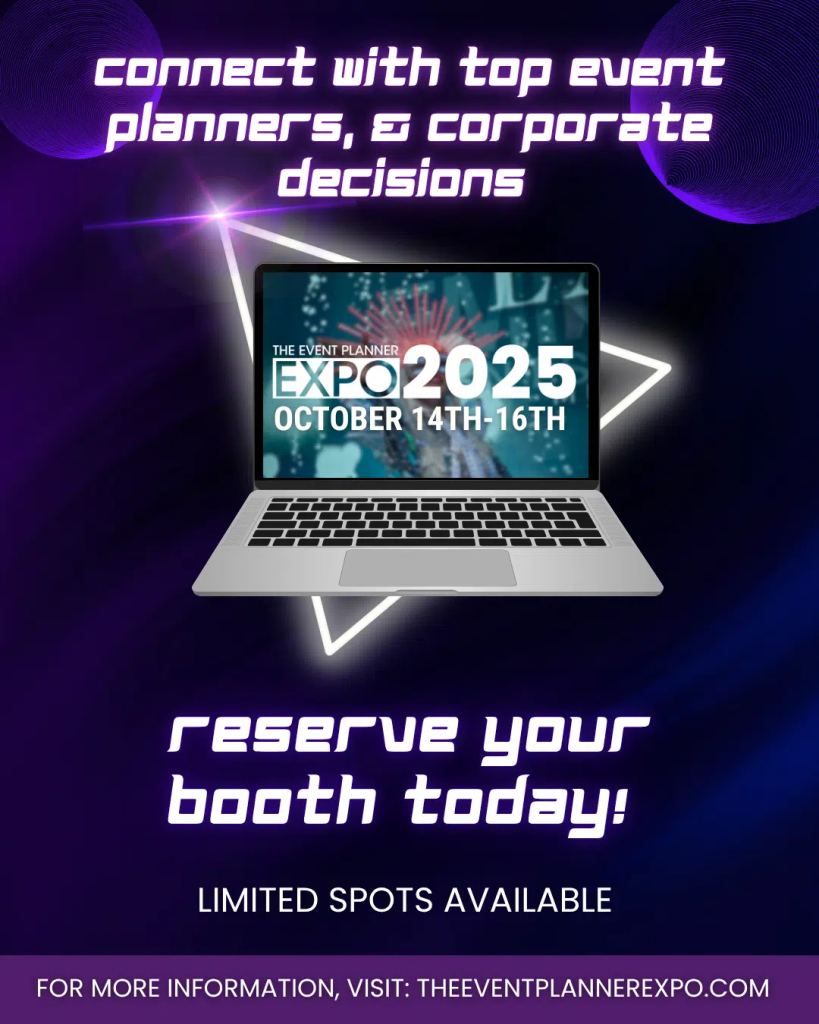
If you want to see how the most forward-thinking event brands are using AI, data, and human judgment to scale personalization without sacrificing quality, reserve your booth at The Event Planner Expo and put your business in the room where the next era of event promotion is being shaped.