You don’t have time to warm people up anymore. Sure, there’s a lot of talk out there about storytelling your events and marketing your experiences. But there’s another quintessential event marketing law you need to know – the 3-second rule.
In New York, your event ad gets about three seconds to earn attention. Sometimes less. If the message doesn’t land immediately, the scroll wins and your budget keeps spending anyway.
Right now, NYC event ads that convert aren’t louder. They’re sharper. They don’t explain all the things. They signal. They tell the right person, instantly, “this is for you.”
Here’s what actually works in those first three seconds and why most event ads miss it. Tap into these secrets for your next event ad campaign.
The First 3 Seconds Don’t Sell the Event
This is where a lot of event ads go wrong. They open with logistics, dates, venues, or more generic hype. None of that answers the only question that matters in a fast-moving feed. (drum roll)
Why should I care right now?
In the first three seconds, your ad’s job isn’t to sell the event ticket. It’s to qualify the viewer. The best NYC event ads tell people who the event is for and why it matters before they even realize they’ve stopped scrolling. If that doesn’t happen immediately, the rest of the ad never gets seen.
Call Out the Audience, Not the Event
NYC audiences are overloaded with information all the time. They don’t want to decode whether something applies to them. Ads that stop the scroll speak directly to identity.
Not “Join us for an exclusive networking event.”
Instead, “For NYC founders scaling past 50 employees.”
Not “A can’t-miss corporate experience.”
Instead, “Planning Q4 events with real executive pressure.”
When people recognize themselves in the opening line, they pause. That pause is everything.
Lead With the Problem, Not the Promise
Big promises feel cheap in 2026. Everyone is promising unforgettable, immersive, next-level experiences.
What cuts through is specificity.
Scroll-stopping ads surface a tension the audience already feels.
Too many events that look great but don’t move the needle
Sponsors asking for ROI you can’t clearly show
Leadership expecting impact without increasing budget
Guests who stay polite but disengaged
When your ad mirrors a real frustration, people stop scrolling because it feels relevant, not promotional.
Show Proof Before You Show Production
Flashy visuals don’t mean much anymore if there’s no credibility behind them. Audiences are skeptical by default. They’ve seen good-looking NYC events before. What they want to know is whether this one is legit. In the first three seconds, proof beats polish.
That proof can look like:
- A recognizable Midtown venue
- A respected speaker name
- A real crowd reaction to an activation
- A trusted brand logo (or logo garden)
- A concrete outcome, not a vague benefit
You’re not flexing. You’re grounding the message in reality.
Make the Stakes Clear Immediately
People stop scrolling when they understand what’s at risk. Great NYC event ads don’t just say what’s happening. They imply what happens if you miss it. That doesn’t mean fear tactics. It means clarity.
Seats are limited because the room is intentionally small.
This conversation is happening before budgets lock.
This access doesn’t repeat next quarter.
When the stakes are clear early, urgency feels earned instead of forced.
Keep Language Tight and Human
Overwritten ads die fast in a feed, too. The first three seconds should sound like a human thought, not a marketing sentence. Short lines. Plain language. No buzzwords.
If it sounds like something you’d never say out loud, it won’t stop anyone mid-scroll.
Strong NYC event ads feel confident without trying to impress. They trust the audience to be smart and busy.
Match the Platform to the Message
What stops the scroll on LinkedIn isn’t what works on Instagram or TikTok. NYC event brands that perform well adapt the opening message to the platform.
- On LinkedIn, clarity and relevance win. Job role. Business pressure. Strategic outcome.
- On Instagram, visuals paired with a sharp line that creates curiosity.
- On short-form video, movement plus a statement that feels unfinished until you keep watching.
The mistake is using the same opening everywhere and hoping for the best.
The First 3 Seconds Are a Filter, Not a Hook
This is the mindset shift that matters most. Your opening message isn’t meant to attract everyone. It’s meant to repel the wrong people quickly so the right people lean in. That’s how you protect budget, improve conversion, and attract better-fit attendees.
In a city as competitive as New York, vague ads don’t fail loudly. They just get ignored.
What This Means for NYC Event Ads in 2026
Scroll-stopping ads don’t start with excitement. They start with recognition. They tell the viewer who it’s for, why it matters, and why now before the scroll even slows down.
When you get that right, everything else works harder. Your visuals land better. Your copy reads cleaner. Your call to action feels natural instead of desperate.
If you’re building event ads that need to compete in one of the most crowded markets in the world, the first three seconds aren’t a detail. They’re the whole game.
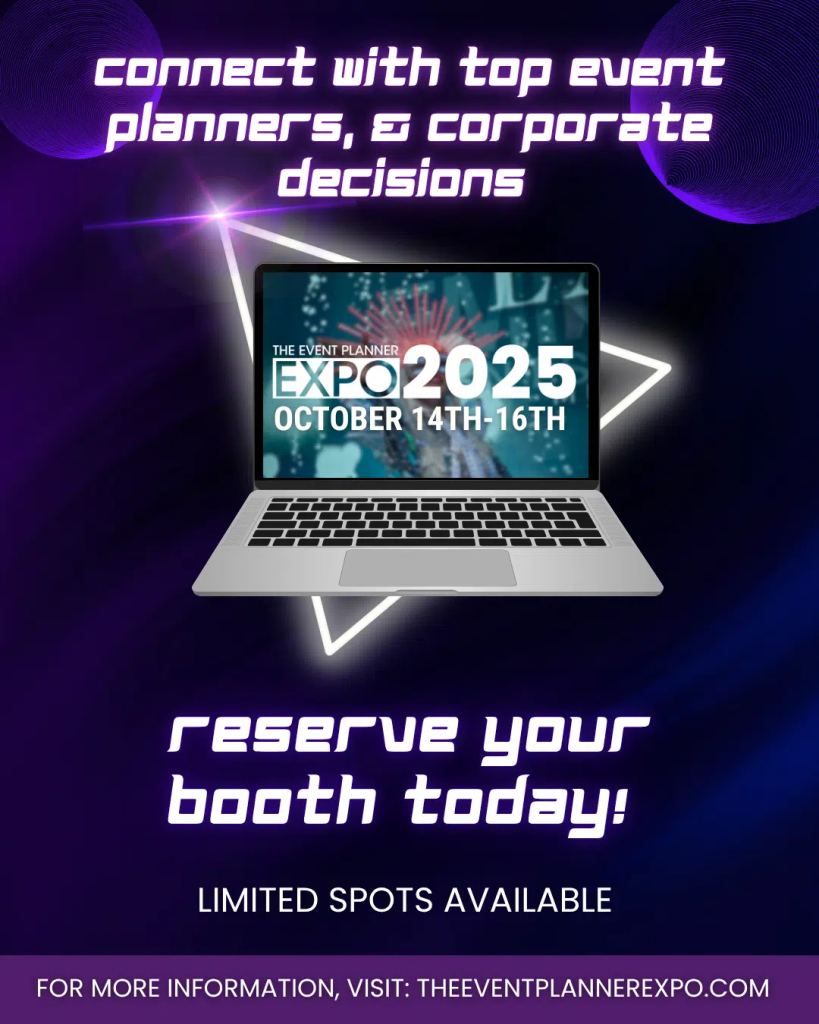
If you want your event brand in the rooms where modern event marketing strategies are actually being shaped, reserve your booth at The Event Planner Expo and put your message in front of the planners who know how to stop the scroll and hold attention.