Email still matters. It drives loyalty. It nurtures long-term relationships. It converts people who already trust you. But in New York, that’s only part of the picture.
For certain types of events, paid social simply outperforms email. Not because email is broken, but because audience behavior, attention patterns, and buying psychology in NYC don’t always line up with inbox-first strategies.
The smartest event businesses aren’t choosing sides. They’re choosing the right channel for the right job. Here’s when paid social wins and why pretending otherwise leaves registrations on the table.
Email Assumes You Already Have Attention
Email is a permission-based channel. It works best when someone already knows who you are, what you do, and why they should care.
That’s a strength. But it’s also a limitation.
If you’re promoting an event that relies heavily on:
- New audiences
- First-time attendees
- Brand discovery
- Net-new corporate buyers
Email can only go so far. You can’t email people who aren’t on your list, and you can’t force urgency in an inbox that’s already overflowing.
In NYC, where decision-makers are drowning in internal emails all day, promotional messages often get skimmed, saved, or ignored even when the offer is strong. And that’s where paid social ads shine.
Paid social doesn’t wait for permission. It earns attention in motion.
Paid Social Meets People Where Decisions Actually Start
Most event discovery doesn’t begin in an inbox. It begins mid-scroll. People encounter events while they’re casually browsing LinkedIn between meetings, checking their Instagram feeds after work, or tapping through Stories while commuting. That moment of passive attention is where paid social thrives.
For certain NYC events, especially:
- Corporate thought leadership events
- Industry mixers
- Conferences and expos
- High-energy brand experiences
Paid social introduces the event before someone is actively searching for it. And therein lies the real appeal, doesn’t it?
Email is better at closing loops. Paid social is better at opening them.
Visual-First Events Convert Better on Social
Some events need to be seen before they’re understood.
If your value lives in:
- Atmosphere
- Production quality
- Scale
- Venue impact
- Crowd energy
Email struggles sometimes to carry that weight. Even well-designed emails flatten the experience.
Paid social, on the other hand, lets visuals do the selling. Short video. Motion. Social proof. Real people in real rooms. In a city like New York City, where expectations are high and options are endless, visuals often make the difference between curiosity and commitment.
Paid Social Excels at Intent-Based Targeting
One of the biggest reasons paid social outperforms email for certain events is targeting precision.
Email treats your list as a static asset. Paid social treats audiences as dynamic.
In 2026, NYC event businesses are using paid social to reach:
- Job titles tied to buying power
- Industries aligned with the event theme
- People who’ve engaged with similar events
- Lookalike audiences based on past attendees
- Users showing recent interest in related topics
That means promotions reach people who are already primed, even if they’ve never heard of you. Email can’t compete with that kind of intent discovery on its own.
Urgency Works Differently on Social
Email urgency often feels forced. Subject lines get louder. Copy gets shorter. Discounts creep in earlier than planned.
On paid social, urgency can feel more organic. You have countdown ads, limited-seat messaging, and speaker announcements rolling out over time. Social proof stacking as engagement grows.
People see momentum happening in real time. That creates fear of missing out without screaming for attention. For NYC events with limited capacity or high perceived value, that visible momentum matters.
When Email Still Wins (And You Should Use It)
This isn’t an argument against email. It 1000% has its place in your event marketing arsenal of tools. We’re just presenting the argument against misusing it.
Email still outperforms paid social when:
- You’re re-engaging past attendees
- You’re nurturing high-consideration buyers
- You’re upselling or renewing
- You’re communicating detailed logistics
- You’re reinforcing trust after initial interest
The mistake happens when email is treated as the primary discovery channel for events that need reach, visibility, and energy to sell.
That’s when paid social should lead and email should support.
The Best NYC Event Planners Don’t Choose One Strategy
In 2026, the strongest event marketing strategies use paid social to create demand and email to convert it. Paid social introduces the event, builds familiarity, and sparks interest. Email follows up with depth, clarity, and reassurance.
When those two channels work together instead of competing, conversion paths shorten and marketing feels less pushy. You stop forcing attention and start guiding it.
The Real Risk Is Using the Wrong Tool for the Job
When paid social is ignored for the types of events it excels at, the cost shows up as slower ticket sales, heavier discounting, and more pressure on email to do work it wasn’t designed to do.
Email isn’t weaker. It’s just different. Paid social doesn’t replace it. It complements it, especially in a market as crowded and fast-moving as NYC.
If you’re serious about selling out the right events in 2026, the question isn’t whether paid social or email is better. It’s which one should lead.
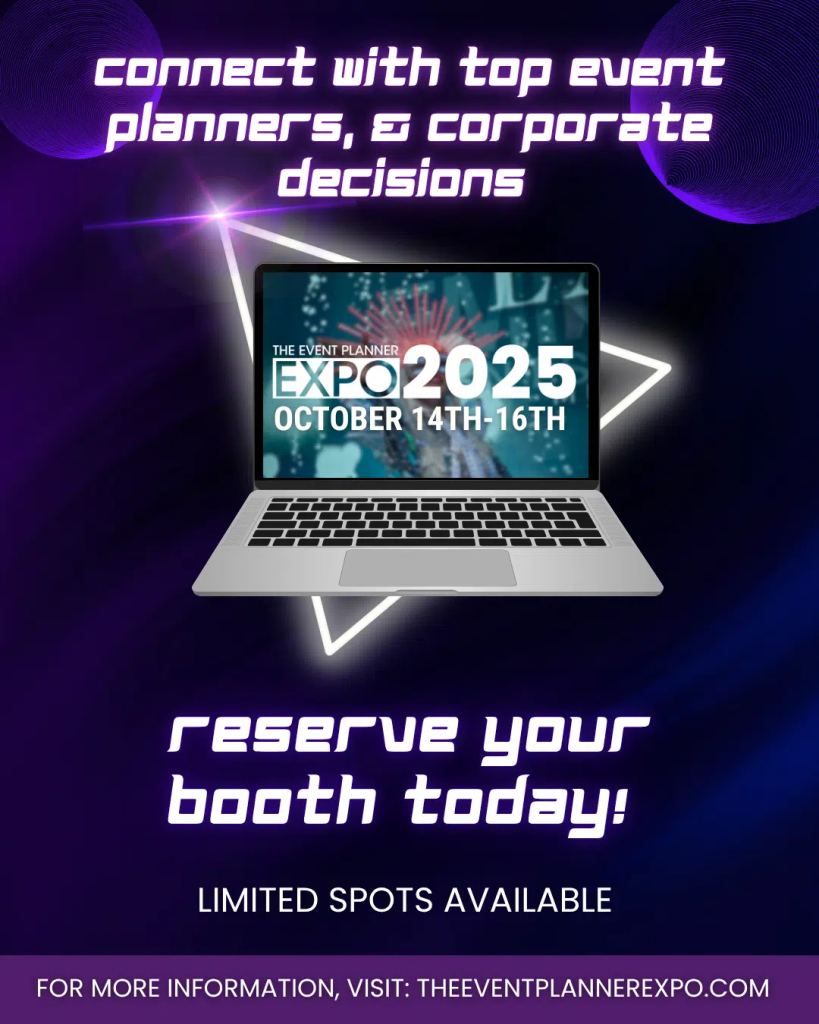
If you want to see how top event brands are structuring paid, owned, and earned channels to drive smarter growth, reserve your booth at The Event Planner Expo and get in the room where real event marketing decisions are being made.