There’s nothing more stressful for an event planner than pouring your heart into creating an incredible experience, only to worry if anyone will actually show up. A brilliant lineup of speakers and a stunning venue mean very little in an empty room. This is where a powerful marketing strategy becomes your most critical tool. It’s about moving beyond just sending a few emails and hoping for the best. You need a comprehensive plan filled with effective event marketing ideas promote and publicize your gathering from every angle. This guide is your playbook for turning a great concept into a sold-out success, covering everything from building pre-event buzz to keeping the momentum going long after the doors close.
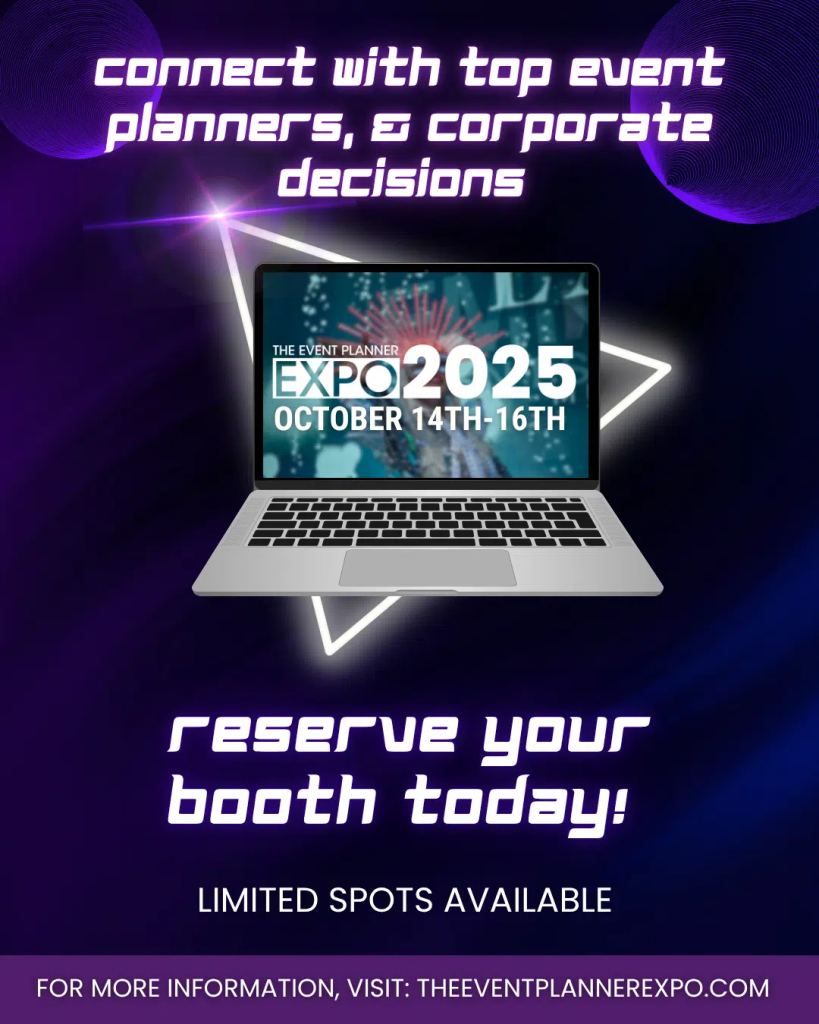
For hands-on examples from event brands and marketing leaders, attend The Event Planner Expo and bring new promotion ideas back to your next campaign.
Key Takeaways
- Map out your marketing for the entire event lifecycle: Your strategy shouldn’t end when the doors open. Build excitement beforehand with early bird offers, keep the energy high during the event with live social coverage, and strengthen relationships afterward with strategic follow-ups to create a loyal community.
- Combine proven channels with creative buzz-builders: A powerful campaign blends reliable tactics like SEO and email marketing with memorable ideas that get people talking. Use traditional channels for a strong foundation and creative promotions to generate authentic excitement and stand out.
- Empower your audience to become your marketers: The most credible promotion comes from your attendees, speakers, and partners. Make it easy for them to share their excitement by creating Instagram-worthy photo ops, running a smart hashtag campaign, and leveraging user-generated content to amplify your reach.
What Makes an Event Marketing Strategy Actually Work in 2026?
Let’s be honest—a successful event marketing strategy is more than just a series of social media posts and email blasts. It’s about creating a narrative that captures attention and builds genuine excitement from the first announcement to the final follow-up email. When your marketing works, it doesn’t just sell tickets; it builds a community that feels invested in your event’s success. So, what are the key ingredients that separate a forgettable campaign from one that generates major buzz and delivers real results?
In 2026, the strongest event marketing strategies combine audience data, short-form video, and hybrid event touchpoints. Use AI-powered personalization to segment messages by attendee type, create snackable speaker clips for social channels, and give virtual audiences a clear reason to participate before, during, and after the event.
It all starts with a strong, unique concept. Without a compelling “why,” your marketing messages will fall flat. Think about what makes your event different. Is it the exclusive networking opportunities, the game-changing content, or the incredible lineup of speakers? This core idea should inform every decision you make. From there, flawless coordination is key. Every touchpoint, from your website to your registration process, should feel seamless and professional, reinforcing the value you’re promising attendees.
Next, focus on creating a conversation, not just a broadcast. The goal is to drive attendance by making your audience feel seen and heard. Ask questions, run polls, and encourage user-generated content to get people talking. This active engagement builds a loyal following. At the same time, make it incredibly easy for people to join the conversation and, ultimately, register. Your event website and all promotional materials must be mobile-friendly and simple to use. If someone can’t easily find information or buy a ticket on their phone, you’ve already lost them.
Creative Event Promotion Ideas That Build Real Buzz
A solid marketing plan is essential, but the real magic happens when you create a buzz that people can’t ignore. It’s about making your event the one everyone is talking about long before the doors open. If you want to move beyond standard email blasts and social media posts, you need ideas that spark curiosity and make people feel like they’re part of something special. These creative strategies are designed to capture attention, drive engagement, and build the kind of authentic excitement that leads to a sold-out event. Let’s get into some fun, effective ways to promote your next big thing.
Build Hype with Mystery and Exclusivity
There’s something irresistible about a well-kept secret. Creating an air of mystery is a powerful way to build anticipation and make your event feel exclusive. Instead of revealing everything at once, tease details slowly. A fantastic way to do this is by sending mystery boxes to key influencers, media contacts, or VIP guests. Fill them with intriguing items related to your event’s theme or a clue about a surprise speaker. This tactic does more than just grab their attention; it makes them feel valued and gives them something unique to share with their followers. The curiosity it generates can lead to a wave of social media chatter, turning your promotion into an engaging experience from the start.
Gamify Your Promotion with Interactive Content
Why just tell people about your event when you can invite them to play? Gamification turns passive observers into active participants. You can create simple, fun experiences like online quizzes related to your industry, social media giveaways that require engagement, or even friendly competitions among your staff to see who can generate the most sign-ups. These interactive promotion ideas make your marketing feel less like an advertisement and more like a fun conversation. By creating an enjoyable atmosphere around your event from day one, you’re not just selling tickets—you’re building a community that is genuinely excited to be there and connect with your brand.
Let Your Audience Do the Talking with User-Generated Content
Your most powerful marketing assets are often the people already involved in your event. Tapping into the networks of your speakers, sponsors, and performers can amplify your message in an authentic way. Reach out to your industry leaders and ask them to share details about their session or why they’re excited to attend. Make it incredibly easy for them by providing pre-written posts, custom graphics, and the official event hashtag. A small thank-you gift can also go a long way. This approach leverages their credibility and introduces your event to their dedicated followers, creating a ripple effect of excitement that you couldn’t achieve on your own.
Send Personalized Video Invitations
In a world of overflowing inboxes, a generic email invitation is easy to ignore. A personalized video, however, is almost impossible to overlook. Imagine a key prospect receiving a short, custom video from one of your keynote speakers or even a celebrity associated with your event. This high-touch approach makes the invitee feel truly seen and valued. It shows you’ve gone the extra mile and transforms a simple invitation into a memorable experience. These creative event promotions don’t have to be complicated or expensive, but they are incredibly effective at cutting through the noise and making a lasting impression that can directly influence someone’s decision to register for your event.
How to Use Social Media to Transform Your Event’s Reach
Social media is more than just a place to post updates; it’s a powerful tool for building a community around your event long before the doors open. A strong social media strategy doesn’t just announce your event—it creates a conversation, generates excitement, and turns passive followers into active participants. The key is to move beyond generic posts and create a plan that feels authentic and engaging. Think of it as the digital handshake that welcomes your audience and makes them feel like they’re part of something special.
Your goal is to meet your audience where they are. Different platforms serve different purposes, and your content should reflect that. What works on LinkedIn won’t necessarily land on Instagram. By tailoring your approach, you can create a multi-channel buzz that captures attention from every angle. From behind-the-scenes live streams to targeted ad campaigns that remind people to grab their tickets, every piece of your social strategy should work together to build momentum. This is how you sell out your event and create a loyal following that comes back year after year.
Tailor Your Strategy for Each Social Platform
A one-size-fits-all approach to social media just doesn’t cut it. Each platform has its own audience and best practices. LinkedIn is your go-to for connecting with corporate decision-makers and industry professionals. Use it to share thought leadership content, highlight your powerhouse speakers, and post updates about networking opportunities. Instagram and Facebook are perfect for visual storytelling—think behind-the-scenes photos, countdown graphics, and video testimonials. Create an event page on Facebook to centralize information and consider running targeted ads to reach a broader, yet relevant, audience. By creating a customized plan for each channel, you’ll engage people in the way they prefer to be reached.
For more tactical examples, review these Instagram strategy ideas for event planners and adapt the strongest short-form video concepts into Reels, TikToks, LinkedIn clips, and YouTube Shorts.
Build a Community with a Smart Hashtag Campaign
A great event hashtag does more than just label your posts—it builds a digital home for your event’s conversation. Create a hashtag that is short, unique, and easy to remember. Once you have it, use it everywhere: in your email signatures, on your website, and across all your social media profiles. Encourage your speakers, sponsors, and attendees to use it when they post about the event. This not only amplifies your reach but also gathers all user-generated content in one place. You can even run a contest or giveaway to get the hashtag trending and make your audience feel like they are co-creating the event buzz with you.
Go Live to Engage Your Audience in Real-Time
There’s an unmatched energy that comes with live video, and it’s one of the best ways to generate real-time excitement. Use platforms like Instagram Live, Facebook Live, or LinkedIn Live to give your audience a sneak peek of what’s to come. You could host a Q&A session with a keynote speaker, do a virtual tour of the venue, or share behind-the-scenes content of your team in action. Going live creates a sense of urgency and exclusivity, making your followers feel like insiders. It’s an authentic, unscripted way to connect with your audience, answer their questions on the spot, and show them the real people behind the event.
Use Social Ads and Retargeting to Stay Top-of-Mind
Organic reach is great, but a paid social media strategy ensures your message gets in front of the right people at the right time. Use targeted ads to reach potential attendees based on their job titles, interests, or industry. Even more powerful is retargeting. This strategy allows you to show ads specifically to people who have already visited your event website but didn’t complete their registration. It’s a gentle, effective reminder to finish what they started. Since these individuals have already shown interest, retargeting ads are significantly more likely to convert, helping you capture registrations you might have otherwise lost.
Why Partnerships Are Your Secret Weapon for a Sold-Out Event
You can’t market your event in a vacuum. The most successful events are built on a foundation of strong relationships. By teaming up with the right people and brands, you create a network of advocates who are just as excited about your event as you are. These partnerships extend your reach far beyond your own audience, adding layers of credibility and social proof that are hard to build on your own. Think of it as a marketing multiplier—every partner brings their own community, influence, and voice to the table, creating a groundswell of excitement that leads to ticket sales. It’s about working smarter, not just harder, to fill every seat.
Collaborate with Influencers and Industry Leaders
Partnering with the right voices in your industry can completely change your event’s trajectory. This isn’t about finding the person with the most followers; it’s about finding people whose audience genuinely trusts their recommendations. When an industry leader or influencer talks about your event, it acts as a powerful endorsement. You can start by offering complimentary tickets to key figures or inviting them to be part of your speaker lineup. Make it easy for them to share by providing a simple media kit with graphics and key messages. This kind of authentic promotion taps into new, highly-relevant audiences and builds instant credibility for your event.
Build Strategic Relationships with Sponsors
Sponsorships should be more than just a logo on a banner—they should be true partnerships. Your sponsors have their own marketing goals, and the more you can help them achieve those, the more they’ll help you promote the event. Think beyond the check and find creative ways to integrate them into the event experience. Could you co-host a webinar before the event? Or feature a sponsor in a dedicated email blast to your list? When you treat your sponsors as partners, they become powerful co-marketers, sharing the event with their own networks and adding significant value and authority.
Sponsors can expand reach far beyond your owned audience when they are given a clear promotion plan. Learn more about the role of sponsors in promoting your event, then give each partner co-branded assets, sample copy, and measurable referral links.
Want to put your brand in front of event planners, marketers, and corporate decision-makers? Exhibit at The Event Planner Expo to connect with qualified buyers, sponsors, and industry partners in New York City.
Partner with Other Events for Cross-Promotion
Look for non-competing events that share your target audience and propose a cross-promotional partnership. This is a classic win-win strategy that gives both of you access to a new pool of potential attendees. You could swap guest posts, exchange social media shoutouts, or offer exclusive discounts to each other’s email lists. The key is to find a partner whose event complements yours. For example, a local business conference could partner with a regional networking group. This approach allows you to expand your marketing reach effectively without increasing your budget, building valuable industry connections in the process.
Don’t Forget These Traditional Channels That Still Deliver
In the rush to master the latest social media trends, it’s easy to forget the marketing channels that have been delivering results for years. But here’s the thing: traditional marketing isn’t dead; it’s foundational. Think of channels like email, SEO, and local media as the reliable workhorses of your event promotion strategy. They provide a direct line to your audience, build long-term visibility, and establish credibility in a way that a fleeting social media post can’t. These are the channels that build trust and demonstrate professionalism, which is crucial when you’re trying to attract high-caliber attendees and sponsors.
When you integrate these proven methods with your more creative, buzz-worthy campaigns, you create a powerful, integrated marketing campaign that reaches people at different touchpoints. An amazing email sequence can nurture a lead from a social media ad, while a well-optimized website ensures people can find you long after the initial hype has died down. These channels are all about building a sustainable marketing engine for your event, ensuring you’re not just creating a momentary splash but building lasting momentum. By giving these traditional tactics the attention they deserve, you’ll create a more resilient and effective promotional plan that drives ticket sales and solidifies your event’s reputation for years to come.
Craft Email Sequences That Convert
Email is still one of the most direct and effective ways to communicate with your audience. It’s your personal invitation into their inbox. The key is to move beyond one-off email blasts and create thoughtful, automated sequences that guide potential attendees from awareness to registration. Start by segmenting your list—past attendees, new leads, sponsors—and tailor your messaging for each group. A compelling welcome series can introduce your event’s value, while a pre-event sequence can build excitement by revealing speakers and sessions. Remember to establish and track your key performance indicators (KPIs), like open rates and click-throughs, to understand what’s resonating with your audience and refine your approach.
Use Content and SEO for Lasting Visibility
Your event website is more than just a digital brochure; it’s your most valuable marketing asset. By focusing on SEO, you attract a steady stream of organic traffic, building authority that serves you around the clock. This visibility also makes your site the perfect hub to showcase sponsorship opportunities for event marketing professionals, turning your evergreen content and high traffic into a platform that invites partners to connect with your engaged audience.
Create valuable content that your target audience will love, like blog posts with industry tips or infographics that share useful information and promote your event. This not only builds your authority but also gives you evergreen content to share across all your marketing channels, creating lasting visibility that works for you around the clock.
Connect with Local Media and Print Outlets
Don’t underestimate the power of local press and traditional media. For a major event, securing coverage in local publications, trade magazines, or even on local news segments can provide a massive credibility boost. Start by building relationships with journalists and editors who cover your industry. A well-crafted press release announcing your event, key speakers, or unique features can get their attention. Depending on your audience and budget, traditional advertising like billboards or flyers can still be highly effective. Just make sure any print materials direct people to a mobile-friendly website, making it easy for them to learn more and register on the spot.
How Do You Build Buzz Before Your Event?
The success of your event is often decided long before the doors open. Building a palpable sense of anticipation is what separates a sold-out show from a half-empty room. Your goal is to create an atmosphere where people feel they have to be there, not just that it might be nice to go. This pre-event buzz is the engine that drives ticket sales, media attention, and attendee excitement. It’s about crafting a compelling story around your event and telling it consistently across all your channels.
Think of it as setting the stage. You want to give your audience just enough of a glimpse behind the curtain to get them hooked. By strategically releasing information, creating exclusive opportunities, and engaging with your community early on, you build momentum that carries through to event day and beyond. A strong pre-launch strategy doesn’t just sell tickets; it builds a community of advocates who are genuinely excited to participate. When people feel like they are part of the journey from the beginning, they become your most powerful marketers. The Event Planner Expo, for example, showcases its value through a detailed event schedule and world-class exhibitors, building excitement months in advance. This approach transforms marketing from a simple announcement into an engaging narrative that pulls people in.
Launch Early Bird Offers and Tiered Tickets
Everyone loves feeling like they got a special deal. Offering early bird discounts is a classic for a reason: it works. This strategy creates a clear sense of urgency that encourages people to commit sooner rather than later. By rewarding the most eager members of your audience with a lower price, you generate a foundational wave of registrations that provides social proof and helps forecast attendance.
To make this even more effective, set a firm deadline or limit the number of discounted tickets available. This simple scarcity tactic motivates potential attendees to act quickly before the opportunity is gone. Tiered pricing not only helps with cash flow but also allows you to gauge interest and adjust your marketing efforts accordingly. You can see a great example of this in action on our registration page.
Tease Your Speaker Lineup and Content
Don’t keep all your best assets under wraps until the last minute. Your speakers, performers, and core content are your biggest selling points, so use them to build excitement. Create short, high-energy videos that offer a sneak peek of what’s to come. A highlight reel from last year’s event or brief interview clips with your keynote speakers can give your audience a tangible taste of the value and energy they can expect.
This kind of content is perfect for sharing on social media, allowing your followers to see for themselves why your event is a can’t-miss experience. By showcasing the incredible talent you’ve gathered, like the powerhouse speakers at The Event Planner Expo, you move beyond simply telling people your event is great—you show them.
Host Pop-Up Events or Previews
Why wait for the main event to connect with your audience in person? Hosting smaller pop-up events or previews is a fantastic way to bring a piece of your event directly to the community. This could be a networking happy hour, a mini-workshop led by one of your speakers, or an interactive demo in a high-traffic public space. These smaller activations generate authentic buzz and create fantastic content for social media.
Pop-ups allow potential attendees to experience a sample of your event’s atmosphere firsthand, making the decision to buy a ticket much easier. It’s a hands-on approach that builds genuine relationships and shows you’re invested in providing real value. These creative event promotion ideas can turn passive observers into enthusiastic participants.
How to Keep the Momentum Going During Your Event
Your marketing efforts shouldn’t stop once the doors open. The energy and engagement you build during the event are just as critical as the pre-show hype. This is your chance to turn attendees into active participants and evangelists for your brand. When people are having an incredible time, they’ll want to share it, creating a powerful ripple effect that extends far beyond the venue walls.
Keeping the momentum high ensures a memorable experience, which is key to bringing people back year after year. It also generates a wealth of real-time content that showcases your event’s success and creates a sense of FOMO for anyone who isn’t there. Think of it as a live-action marketing campaign powered by the excitement of your attendees. From live social media coverage to interactive experiences, the goal is to make everyone feel like they’re part of something special.
Share Live Updates on Social Media
A strong social media game is essential during your event. Using platforms like Instagram, X, and LinkedIn to share live updates keeps both your in-person and virtual audiences engaged. Before the event, create a short, catchy, and unique hashtag. Then, promote it everywhere—on your website, in emails, and on signage at the venue. This encourages attendees to post their own photos and thoughts, creating a dynamic, user-generated stream of content. You can share behind-the-scenes moments, powerful quotes from your speakers, and video clips of the crowd’s energy. This not only builds a sense of community but also shows everyone else what they’re missing.
Create Ways for Attendees to Get Involved
People want to participate, not just observe. The more you can foster a space for attendees to connect and contribute, the more invested they will feel. This can be as simple as setting up dedicated networking lounges or as tech-focused as using an event app with live polling and Q&A features. Ask your audience what they want to see or which questions they want answered during a panel. When attendees feel heard and have a hand in shaping their experience, they transition from passive viewers to active community members. This deepens their connection to your event and makes the entire experience more valuable and memorable for them.
Design Instagram-Worthy Moments
In a visual world, you need to give people something worth sharing. Go beyond a standard step-and-repeat and create visually appealing moments that attendees will be excited to photograph and post. Think about unique art installations, beautifully designed lounges, interactive displays from your sponsors, or even a fun photo booth with branded props. These “Instagrammable” spots do more than just enhance the event’s atmosphere; they turn your attendees into organic marketers. Every photo they share on their social feeds is a personal endorsement of your event, showcasing the incredible experience you’ve created and reaching new audiences in an authentic way.
What Should You Do After the Event Ends?
The energy in the room was electric, the connections were powerful, and the final session just wrapped up. But your work isn’t over just because the event is. In fact, the post-event phase is where the real magic happens. This is your chance to solidify the relationships you’ve built, turn buzz into business, and lay the groundwork for an even more successful event next year. A thoughtful follow-up strategy shows attendees, speakers, and partners that you value their participation and that the experience was more than just a one-time gathering—it was the start of something bigger.
Think of the post-event period as the bridge between this year’s success and the next. It’s how you transform attendees into a loyal community and casual connections into lasting partnerships. By keeping the momentum going, you ensure your event’s impact is felt long after the doors have closed. At an event like The Event Planner Expo, where you meet hundreds of industry leaders, your follow-up is what separates a forgotten handshake from a game-changing collaboration. It’s time to roll up your sleeves and make the most of every connection you made.
Send Follow-Up Emails to Build Relationships
Your first move after the event should be a thoughtful follow-up email. This isn’t just a generic “thanks for coming”—it’s a strategic touchpoint to continue the conversation. Connecting with attendees after your event is crucial for showing you value their participation and for turning warm leads into real business opportunities. Start by segmenting your email list. Send different messages to attendees, speakers, and sponsors. Share highlights like a photo gallery, key takeaways, or links to presentation slides. This not only provides value but also reminds everyone of the great experience they had. A personalized thank-you goes a long way in making people feel seen and appreciated, encouraging them to stay engaged with your brand.
Ask for Feedback to Improve Your Next Event
How do you make your next event even better? You ask the people who were there. Sending a post-event survey is one of the most valuable things you can do. Collecting feedback is essential for understanding the attendee experience and making people feel heard. Keep your survey short, simple, and focused. Ask about their favorite parts of the schedule, what they learned, and what they’d like to see in the future. This direct line to your audience’s thoughts provides priceless insights that you can use to refine your strategy, content, and logistics for next year, ensuring you continue to deliver exactly what your community wants.
Nurture Connections for Future Opportunities
The end of the event marks the beginning of a long-term nurturing process. The data and connections you gathered are a goldmine for future growth. Tracking metrics like attendance and engagement gives you valuable insights into attendee behavior, helping you identify what resonated most. Use this information to create relevant content, from blog posts summarizing key sessions to social media shout-outs for your top contributors. Continue to engage with your new connections on social media and through targeted email campaigns. This consistent effort nurtures relationships, builds a strong community, and keeps your brand top-of-mind for future collaborations, ticket sales, and sponsorships.
How Can You Measure Your Event Marketing Success?
After the last guest leaves and the confetti is swept away, your work isn’t quite done. The final, crucial step is measuring your success. This isn’t just about giving yourself a pat on the back; it’s about proving the value of your event and gathering the insights you need to make the next one even better. By tracking the right metrics, you can demonstrate a clear return on investment and refine your strategy for the future. This data-driven approach transforms your marketing from guesswork into a powerful, repeatable formula for success. It’s how you turn a great event into a legendary one.
Track the Right KPIs to Measure ROI
You can’t improve what you don’t measure, which is why Key Performance Indicators (KPIs) are so important. Before your event even begins, you need to define what success looks like for you. Are you focused on ticket sales, lead generation, or brand awareness? Your goals will determine which metrics matter most. For in-person events, attendance and revenue are often top of the list, but don’t stop there. You should also consider qualitative data like attendee satisfaction and engagement levels. A comprehensive guide to measuring event success can help you balance these quantitative and qualitative insights to paint a full picture of your event’s impact.
If you need a benchmark for what to track, use these event marketing effectiveness statistics to compare attendance, engagement, pipeline, and post-event follow-up performance.
Use the Best Tools to Track Engagement
Gone are the days of manual headcounts and simple ticket scans. Modern event technology gives you the power to track engagement with incredible precision. Tools for lead retrieval, session attendance tracking, and real-time analytics can be integrated to give you a clear view of what’s happening on the ground. This technology is essential for exhibitors at major conferences like The Event Planner Expo, where tracking and analyzing lead generation is crucial to understanding ROI. By using the right tech, you can gather the data you need to create compelling post-event reports and optimize future strategies for even greater success.
Use Data to Make Your Next Campaign Even Better
The data you collect isn’t just for a final report—it’s a roadmap for your next event. By actively monitoring and analyzing your metrics, you can spot what worked and what didn’t. Did a particular email subject line lead to a spike in registrations? Did attendees rave about a specific speaker in post-event surveys? These insights are gold. They allow you to identify opportunities for improvement and refine your engagement strategies for future events. This continuous feedback loop ensures that each event you plan is more strategic, more engaging, and more successful than the last.
Common Event Marketing Mistakes to Avoid in 2026
Even the most seasoned event professionals can fall into common traps that undermine their marketing efforts. A brilliant event concept can easily get lost if the promotional strategy misses the mark. The good news is that most of these mistakes are entirely avoidable with a bit of foresight and planning. It’s not about having a massive budget; it’s about being strategic and detail-oriented.
Think of your marketing plan as the foundation of your event’s success. If you rush the early stages or overlook key details, you risk building on shaky ground. From picking the wrong date to failing to communicate with your team, small oversights can create significant problems down the line. Let’s walk through some of the most frequent missteps so you can steer clear of them and ensure your event gets the attention it deserves.
Rushing the Planning Process
One of the fastest ways to derail your event is by rushing the initial planning and research phase. Before you even think about promotion, you need to know your audience inside and out. A lack of thorough research can lead to a campaign that doesn’t resonate. Beyond audience demographics, you also need to be a student of the calendar. Choosing a date that conflicts with a major holiday, a big industry conference, or another local event is a recipe for low attendance. Always check for competing events to give your event the best possible chance to shine and attract the crowd you want.
Forgetting the Guest Experience
Your marketing promises an incredible experience, so your event has to deliver. Too often, planners get so caught up in logistics that they forget to view the event from an attendee’s perspective. Every touchpoint matters, from the registration process to the final session. Neglecting the guest experience can lead to negative reviews and poor word-of-mouth, which will hurt your future events. Avoid overcomplicating the schedule or understaffing your venue. Long lines, confused attendees, and a chaotic atmosphere are memorable for all the wrong reasons. Keep the focus on creating a seamless, engaging, and valuable experience for every single person who walks through the door.
Overlooking Communication
Clear, consistent communication is the glue that holds an event together. This doesn’t just apply to your marketing messages—it’s crucial for your internal team, too. A common pitfall is failing to communicate effectively with vendors, staff, and volunteers. When your team isn’t on the same page, the disorganization becomes visible to your guests. Create a solid communication plan that outlines roles, responsibilities, and schedules for everyone involved. This ensures your vendors know when to arrive, your staff understands the event flow, and your entire team can work together to execute a flawless experience that lives up to your marketing hype.
Frequently Asked Questions About Event Marketing
What are the best marketing ideas for events?
The best event marketing ideas combine digital strategies like social media campaigns, email sequences, and SEO with creative tactics like mystery reveals, gamified content, and influencer partnerships. Focus on building pre-event buzz, engaging attendees during the event with shareable moments, and nurturing relationships post-event.
What are the 5 P’s of event marketing?
The 5 P’s of event marketing are Product, Price, Place, Promotion, and People. Each element must align so your event, ticketing strategy, venue, marketing channels, and target audience support one cohesive campaign.
How do you promote an event effectively?
Promote an event effectively by starting early with a content-driven strategy, leveraging social media with a dedicated hashtag, partnering with influencers and sponsors for cross-promotion, running targeted email sequences to segmented lists, and creating shareable moments that generate organic buzz before, during, and after the event.
How soon should you start marketing an event?
Start marketing your event 3-6 months in advance for major conferences and 6-8 weeks for smaller gatherings. Begin with save-the-date announcements, then build momentum with speaker reveals, early bird pricing, and content marketing to create sustained buzz leading up to the event date.