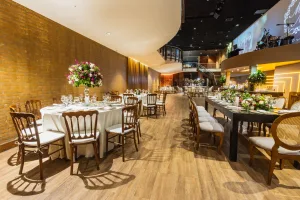
What if you could transform your holiday party from an event you plan for your team to one you create with them? When employees have a say in the details, they feel a sense of ownership and are far more likely to show up excited to celebrate. This collaborative approach is easier than you think. By distributing a simple corporate holiday party survey, you invite your colleagues into the planning process. This small act of inclusion builds anticipation and ensures the final event—from the venue to the playlist—is a true reflection of your unique company culture. It’s the difference between a standard office party and a memorable, co-created experience.
Key Takeaways
- Plan a Party People Actually Want: Use a pre-event survey to gather direct feedback on everything from dates and venues to food and entertainment. Asking the right questions is the first step toward planning a more inclusive and engaging celebration that shows you value your team’s input.
- Maximize Responses by Making it Effortless: Get the honest feedback you need by keeping your survey short, guaranteeing anonymity, and ensuring it’s mobile-friendly. A simple, trustworthy process respects your team’s time and encourages them to share the candid insights you need for planning.
- Use Data to Drive Decisions and Improve Over Time: Analyze survey results to make informed choices about your budget and event details. Close the loop with a post-party survey to learn what worked, creating a system of continuous improvement that makes every future event even more successful.
Why Survey Your Team Before the Holiday Party?
Instead of playing a guessing game, why not just ask? A simple survey can be the difference between a party people feel obligated to attend and one they’re genuinely excited about. It’s your secret weapon for planning an event that truly resonates with your team and shows you value their input. This small step can make a huge impact on the success of your celebration, turning a standard office party into a meaningful and memorable experience for everyone.
Use Feedback to Increase Engagement
Planning a great holiday party starts with understanding what your team actually enjoys. A pre-event survey is the most direct way to gather this insight, covering everything from food and music preferences to ideal venues and activities. When employees get to weigh in on the details, they feel a sense of ownership over the event. This simple act of inclusion makes them more likely to RSVP ‘yes’ and show up ready to celebrate. It transforms the party from a corporate obligation into a shared experience they helped create, which is a powerful way to build team morale.
Plan a More Inclusive Celebration
A successful party is one where everyone feels comfortable and considered. Surveys are an essential tool for creating a genuinely inclusive atmosphere. They give you a private and effective way to learn about dietary restrictions, accessibility needs, and preferences for non-alcoholic beverages without anyone feeling singled out. You can also gauge interest in different types of activities, ensuring there’s something for everyone, whether they love the dance floor or prefer a quiet corner for conversation. By asking for input, you show that you respect and value the diverse needs of your team, which is fundamental to fostering a positive company culture.
What to Ask in Your Holiday Party Survey
Crafting the right survey is the first step to getting feedback you can actually use. You want to ask clear, direct questions that cover all the essential elements of the party, from the date to the food. This isn’t just about logistics; it’s about showing your team that their opinions matter and co-creating an event everyone will genuinely enjoy. When you ask thoughtful questions, you gather the insights needed to plan a memorable and inclusive celebration.
Think of your survey as the foundation of your event plan. The data you collect will help you make informed decisions, allocate your budget wisely, and avoid any last-minute guesswork. Here’s a breakdown of the key categories to include in your holiday party survey, along with some sample questions to get you started.
Date & Timing
Nailing down the best date and time is crucial for ensuring a great turnout. Instead of asking a vague, open-ended question, it’s more effective to provide a few specific options. People are busy, especially around the holidays, so making it easy for them to choose will get you more accurate results. Consider your company culture here—is a weeknight event a welcome break, or would a weekend date allow more people (and their partners) to relax and attend?
Sample Questions:
- Which of these dates works best for you? (Provide 2-3 options)
- What time of day would you prefer for our holiday party? (e.g., Weekday evening, Weekend afternoon, Lunchtime celebration)
- Would you prefer an event that is adults-only or one where families and children are welcome?
Venue & Location
The venue sets the entire tone for the party. A celebration in the office feels very different from a formal dinner at an upscale restaurant or a casual get-together at a unique event space. Give your team a sense of the vibe you’re considering by providing a few distinct options. This helps manage expectations and ensures the final choice aligns with what most people will enjoy. You can find incredible and unique venues by connecting with top-tier exhibitors who specialize in creating unforgettable event experiences.
Sample Questions:
- Which type of venue sounds most appealing for our holiday party? (e.g., A local restaurant, a unique event hall, a casual brewery, or a virtual event)
- How far are you generally willing to travel for a company event? (e.g., Under 30 minutes, 30-60 minutes)
Food & Drinks
Great food and drinks are at the heart of any memorable party. This is your chance to go beyond basic catering and find out what your team really wants. Ask about their preferred dining style—do they love the variety of a buffet, the elegance of a plated dinner, or the social aspect of passed appetizers? It’s also the perfect place to ask about drink preferences. Knowing whether your team would prefer an open bar, signature cocktails, or a fantastic selection of non-alcoholic options helps you plan your budget and cater to everyone’s tastes.
Sample Questions:
- What style of food service would you enjoy most? (e.g., Buffet, Plated dinner, Food stations, Passed appetizers)
- What kind of beverage options would you like to see? (e.g., Open bar, Beer and wine only, Signature cocktails, Extensive non-alcoholic options)
Entertainment & Activities
Entertainment is what turns a standard office party into a can’t-miss event. The key is to choose activities that match your team’s energy and interests. Some groups love a packed dance floor with a DJ, while others might prefer a live band, a fun photo booth, or interactive games like trivia. Offering a few different ideas in your survey helps you gauge what will be a hit. Think about including a mix of active and more low-key options to ensure introverts and extroverts alike have a great time.
Sample Questions:
- Which of these entertainment options sounds the most fun to you? (e.g., Live band, DJ, Photo booth, Comedian, Team-building game)
- Would you prefer an event with a structured activity or one that is more of a casual social mixer?
Budget Priorities
While you wouldn’t ask your team to set the budget, you can ask them what they value most. This is a smart way to understand their priorities and ensure you spend money on the things that will make the biggest impact. Is an impressive venue the top priority, or would they rather have incredible food and an open bar in a more low-key setting? Knowing what matters most to your employees allows you to allocate your resources effectively and create an experience that feels special and well-thought-out.
Sample Questions:
- If you had to choose, which element of the party is most important to you? (e.g., The food and drinks, the venue and decor, the entertainment)
- Which of these “extras” would you be most excited about? (e.g., A take-home gift, a professional photographer, a late-night snack bar)
Dietary & Accessibility Needs
Creating an inclusive environment where everyone feels welcome and cared for is non-negotiable. This question should be a standard part of any event survey. Be sure to ask about both dietary restrictions and any accessibility accommodations that may be needed. Phrasing the question in a warm and open way encourages people to share what they need to fully participate and enjoy the celebration. This simple step shows respect for your team members and is fundamental to hosting an accessible event.
Sample Questions:
- Please share any dietary restrictions, allergies, or preferences we should be aware of (e.g., vegetarian, gluten-free, nut allergy).
- Do you require any accessibility accommodations to comfortably attend and enjoy the event? Please feel free to share any details in confidence.
How to Distribute Your Holiday Party Survey
You’ve built the perfect survey, but it won’t do you any good if no one sees it. Getting your questions in front of your team is the next critical step, and how you do it can make all the difference. A little strategy goes a long way in making sure your team feels included and is actually excited to participate. It’s not just about sending a mass email and hoping for the best. Let’s walk through the most effective ways to share your survey, from crafting the right email to picking the best tools and timing your send for maximum impact.
Email Distribution Tips
Email is the most direct way to reach your team, but you need to cut through the noise of a crowded inbox. Start with a clear, engaging subject line like, “Help Us Plan the Best Holiday Party Ever!” In the body of the email, briefly explain why you’re sending the survey and how the feedback will shape the event. This simple step helps increase survey response rates by showing your colleagues their opinions truly matter. Keep the message short, include a direct link to the survey, and state a clear deadline for responses. A friendly reminder a day or two before the deadline can also give you a final push in participation.
Choosing an Online Survey Platform
Using a dedicated online tool makes creating and distributing your survey so much easier. Platforms like SurveyMonkey, Typeform, or even Google Forms are incredibly user-friendly and offer professional-looking templates. Using an event planning survey template can give you a great starting point, saving you time on question design. These tools also handle all the backend work, like collecting responses in one organized place and generating simple reports. This means you can spend less time wrestling with spreadsheets and more time analyzing the feedback to plan an amazing party that everyone will love.
When to Send Your Survey
Timing is everything. Send the survey too early, and it might get forgotten. Send it too late, and you won’t have enough time to act on the feedback. The sweet spot is typically 6-8 weeks before the event, which gives you plenty of time to book venues and vendors based on your team’s preferences. It’s also smart to be strategic about when you hit “send.” Try to choose a strategic time to launch, avoiding busy periods like the start of a major project or right after a long weekend. Mid-week, like a Tuesday or Wednesday morning, often gets the best engagement.
How to Get More People to Respond
You’ve designed the perfect survey, but it’s only useful if people actually fill it out. Getting your team to participate doesn’t have to feel like pulling teeth, and a high response rate is about more than just collecting data—it’s about building a culture of engagement. When employees feel their opinions are genuinely sought and valued, they become more invested in the outcome. For a corporate holiday party, this means they’re more likely to attend, participate, and feel a stronger sense of belonging. A low response rate, on the other hand, can give you a skewed view of what your team wants, leading you to plan a party that misses the mark for the silent majority.
The key is to make the process easy, trustworthy, and worthwhile. Think about it from your colleagues’ perspective: they are juggling deadlines, meetings, and a full inbox. Another request, even for something fun like a party, can feel like just another task. Your approach needs to cut through the noise and show them that their five minutes of feedback will directly contribute to a better experience for everyone. It’s a small investment of their time for a big payoff in morale and team cohesion. By being thoughtful and strategic, you can gather the valuable insights you need to create a memorable and inclusive holiday celebration that truly reflects what your team wants. Here are four straightforward strategies to get more of your colleagues to hit “submit.”
Keep it Short and Sweet
Everyone’s inbox is overflowing, and their to-do lists are a mile long. Respect your team’s time by making your survey as brief as possible. A long, complicated survey is a surefire way to get people to close the tab. Aim for a survey that takes no more than five minutes to complete—think 5 to 10 essential questions. Use clear, simple language and stick to multiple-choice or rating-scale questions where you can. Save open-ended questions for when you truly need detailed feedback. Think of it this way: if they can complete it while waiting for their coffee to brew, you’ve found the perfect length. This approach shows you value their time, making them more willing to share their thoughts.
Guarantee Anonymity
Honesty is crucial for planning an event everyone will love, but people may hesitate to share their true feelings if they think their name is attached to their answers. Will finance judge them for wanting a more expensive venue? Will their boss think they’re being difficult for noting a dietary restriction? To get candid feedback, you must build trust by guaranteeing anonymity. Clearly state at the very beginning of your survey that all responses are completely confidential. Using a third-party survey tool can help reinforce this, as it separates identities from the results. When your team feels safe to share their opinions without fear of judgment, you’ll get the genuine insights needed to plan a truly great party.
Offer a Small Incentive
A little appreciation can go a long way. Offering a small incentive is a great way to thank your team for their time and give them a gentle nudge to complete the survey. This doesn’t have to be a huge, budget-breaking prize. Simple gestures are often the most effective. Consider entering everyone who completes the survey into a drawing for a gift card to a local coffee shop, an extra hour of PTO, or some company swag. The goal isn’t to buy responses but to show that you appreciate their input. Frame it as a token of gratitude for helping you plan a better event. It’s a simple, effective way to make participation feel a little more rewarding.
Explain Why Their Feedback Matters
People are much more likely to participate when they understand the “why” behind your request. Don’t just send a link with the subject line “Holiday Party Survey.” Instead, take a moment to explain how their feedback will directly influence the event. In your email or introduction, briefly state your goal: “We want to plan a holiday party that everyone will genuinely enjoy, and your input will help us choose the perfect venue, menu, and activities.” This simple step connects their participation to a tangible outcome. To really close the loop and build goodwill for future surveys, share a high-level summary of the results and announce how the feedback shaped the final plans. It shows you listened and makes people feel like a valued part of the decision-making process.
The Best Survey Tools for Event Planning
Once you know what you want to ask, you need the right tool to build and send your survey. The good news is you don’t need a complicated or expensive platform. Many online survey tools are user-friendly and offer free plans that are perfect for a simple holiday party survey. The key is to choose a platform that makes it easy for you to create the survey and even easier for your team to respond. Look for features like customizable templates, different question types, and simple analytics to help you make sense of the feedback you receive.
Top Platforms and Their Features
You have plenty of great options when it comes to survey software. SurveyMonkey offers tools and templates specifically for event planning, making it a solid all-around choice for gathering pre-event information and post-event feedback. If you want to create something more visually engaging, you can use SurveyLegend to design beautiful surveys that feel more like a fun quiz than a form. For those who need a little help with wording, you can find great examples of Christmas party survey questions to get you started, covering everything from themes to food preferences. Each platform has its own strengths, so consider what matters most to you—ease of use, design, or question inspiration.
Why Mobile-Friendly Surveys Matter
Let’s be honest: most people are going to open your survey on their phones. If it’s difficult to read or answer on a small screen, they’ll likely close it and forget about it. That’s why a mobile-friendly design isn’t just a nice-to-have; it’s essential for getting a high response rate. Your survey should look clean and be easy to complete on any device. To improve your employee survey response rate, always choose a tool that automatically optimizes for mobile. This simple step removes a major barrier for your team and shows that you respect their time, making them more willing to share their thoughts.
Using Analytics and Reporting
Collecting feedback is only half the battle. The real value comes from understanding and acting on it. Most survey tools come with built-in analytics that automatically turn your responses into easy-to-read charts and graphs. This makes it simple to see which dates are most popular or what kind of entertainment your team prefers. Taking the time to conduct a post-holiday survey analysis is one of the best ways to drive higher engagement for future events. By digging into the data, you can spot trends, understand what truly matters to your employees, and make informed decisions that lead to even better celebrations next year.
Common Survey Design Mistakes to Avoid
The way you ask your questions is just as important as what you ask. A poorly designed survey can lead to confusing data or, even worse, a low response rate that leaves you guessing what your team actually wants. You want your colleagues to feel heard, not frustrated by a clunky or biased questionnaire. Getting this right means you’ll collect clear, actionable feedback that genuinely helps you plan an event everyone will love.
Think of your survey as the foundation of your party planning—if it’s shaky, the whole structure is at risk. By avoiding a few common missteps, you can ensure your survey is easy to take and gives you the insights you need. These simple checks will make a huge difference in the quality of feedback you receive. Let’s walk through how to frame your questions neutrally, keep things simple, optimize for mobile users, and why you should always do a test run before hitting send.
Avoid Leading or Biased Questions
The goal of your survey is to find out what your team really wants, not to confirm your own ideas. Leading questions subtly push respondents toward a particular answer, which can skew your results. For example, instead of asking, “Wouldn’t a DJ be more fun than a live band?” try a more neutral question like, “What type of entertainment would you prefer?” and provide a few options. Be specific to get clearer answers. Rather than a vague question like, “Did you like last year’s entertainment?” ask about specific elements, such as, “What did you think of the live band at last year’s party?” This helps you pinpoint what worked and what didn’t, avoiding survey response bias and getting honest feedback.
Write Clear, Simple Questions
No one wants to spend their time deciphering a complicated survey. If your questions are long, confusing, or full of corporate jargon, people will either give up or rush through without giving thoughtful answers. To get more responses, keep your questions short, direct, and easy to understand. Use plain language and focus on one idea per question. Instead of a complex open-ended question, consider using multiple-choice, checklists, or rating scales. This makes it faster for your team to respond and easier for you to analyze the data later. The simpler you make the process, the more likely you are to get the high response rates you need to make informed decisions.
Make Sure It Works on Mobile
Chances are, a lot of your colleagues will open and complete your survey on their phones—whether they’re on their commute, waiting for a meeting, or on their lunch break. If the survey isn’t optimized for mobile, it can be a frustrating experience with tiny text, endless scrolling, and buttons that are hard to tap. This is a surefire way to lose responses. Before you send it out, make sure you’re using a mobile-friendly survey tool that automatically adjusts to fit any screen size. A clean, responsive design shows respect for your team’s time and makes it incredibly easy for them to share their feedback, no matter what device they’re using.
Always Test Your Survey First
Never send a survey without giving it a test run first. It’s a simple step that can save you from major headaches later. Send the survey link to a few trusted colleagues and ask them to take it from start to finish. This is your chance to catch any typos, confusing questions, broken links, or technical glitches before it goes out to the entire company. Ask your testers if any questions were unclear or if the logic felt off. This final quality check ensures that your survey is polished, professional, and ready to capture the valuable insights you need to plan an unforgettable holiday party. It’s the equivalent of a dress rehearsal for your data collection.
Putting Your Survey Data to Work
Collecting survey responses is just the first step. The real magic happens when you turn that raw data into actionable insights that shape your event. Instead of guessing what your team wants, you now have a clear roadmap to planning a holiday party that people will actually be excited to attend. Analyzing the results helps you move forward with confidence, knowing your decisions are backed by employee feedback. This data-driven approach not only simplifies the planning process but also ensures the final event truly reflects your team’s collective preferences, making it more meaningful and memorable for everyone.
By thoughtfully reviewing the feedback, you can pinpoint key trends and preferences that will guide everything from your venue choice to your entertainment budget. Let’s break down how to use this valuable information to your advantage.
Plan Better Events in the Future
Your survey data is a powerful tool for continuous improvement. The feedback you gather before this year’s party provides a baseline for what your team is looking for in terms of food, music, activities, and venue. But the learning doesn’t stop there. After the event, a post-party survey is your best friend. It helps you understand what worked and what didn’t, giving you concrete insights to make next year’s celebration even better. This creates a valuable feedback loop, allowing you to refine your event planning strategies over time and consistently deliver experiences that resonate with your team.
Understand What Your Team Really Wants
When employees feel involved in the planning process, they’re more invested in the outcome. A survey is one of the easiest ways to give them a voice. By asking for their opinions, you show that you value their input, which can significantly increase attendance and overall enjoyment. It transforms the event from a top-down corporate mandate into a collaborative celebration. This simple act of listening helps build a stronger sense of community and ensures you’re creating an event that feels authentic to your company culture, rather than a generic party that misses the mark.
Make Smarter Budget Decisions
A well-designed survey is one of the best budget optimization tools you can have. It helps you allocate your funds effectively by showing you where to invest and where you can save. Why spend a large portion of your budget on a formal sit-down dinner if your team would prefer a more casual setup with food trucks and interactive games? The survey results give you clarity on what matters most to your employees, ensuring you spend money on the things that will have the biggest impact. This approach helps you plan a successful event that feels generous and well-thought-out, all while staying within your budget.
How to Collect Feedback After the Event
The party might be over, but your job isn’t quite done. Collecting feedback is one of the most valuable things you can do to ensure your next event is an even bigger success. Think of it as your secret weapon for continuous improvement. A post-event survey isn’t just about finding out if people had a good time; it’s about understanding the why behind their experience. What moments truly landed? What friction points can you smooth out next year?
Gathering this information helps you make smarter, data-driven decisions for future events. Instead of guessing what your team wants, you’ll have a clear roadmap based on their actual experiences. It also shows your attendees that you value their opinions, which goes a long way in building goodwill and encouraging them to show up for your next celebration. A simple, well-timed survey can transform your planning process from a shot in the dark to a strategic, attendee-focused operation.
When to Send a Follow-Up Survey
Timing is everything when it comes to getting quality feedback. You want to catch your attendees while the details are still fresh in their minds. The sweet spot is within 24 to 48 hours after the event wraps up. If you wait too long, the specific memories—the amazing appetizer, the slightly-too-long speech, the perfect playlist—will start to fade. Sending your survey promptly shows your attendees that their feedback is a priority and increases the likelihood that they’ll respond with thoughtful, detailed answers. A quick follow-up feels like a natural conclusion to the event, not an afterthought.
Gather Insights You Can Actually Use
The goal of your survey is to get feedback that helps you make real improvements. Skip the vague questions and focus on what will inform your future decisions. Ask about their overall satisfaction, but also dig into the specifics. What was their favorite part of the event? Which activity did they enjoy most? How was the food and venue? You can also ask what they would change or what they’d like to see next year. This helps you learn what worked and what didn’t, so you can double down on the hits and fix the misses. This is how you find out if your keynote speakers were a hit or if the networking session needed more structure.
Create a System for Continuous Improvement
Collecting feedback is only the first step; what you do with it is what truly matters. Once the responses are in, take the time to analyze the data and identify key themes. Are multiple people mentioning the long check-in line or raving about the DJ? These are your action items. Share a summary of the feedback with your planning committee and stakeholders to guide your next steps. More importantly, let your attendees know you listened. You can send a follow-up email saying, “Thanks for your feedback! We heard you, and here’s what we’re planning for next time.” This closes the loop and builds a community around your events, making people feel heard and eager to participate again.
Frequently Asked Questions
Why can’t I just repeat what worked last year? Even if last year’s party was a hit, your team has likely changed. New people have joined, team dynamics shift, and personal preferences evolve. A quick survey acts as a simple check-in to make sure your plans still align with what the current team will enjoy. It shows you’re being thoughtful and not just going through the motions, which makes everyone feel more valued.
What should I do if the survey results are completely split? It’s normal to get a wide range of opinions, and you’ll never please everyone with every single detail. When the feedback is divided, look for the strongest trends to guide your big decisions, like the date and general vibe. For elements like food or music, a split vote is actually a great cue to offer variety. The goal isn’t to find a single answer everyone loves, but to make informed choices that show you listened to the different preferences across the team.
Is it really necessary to offer an incentive for a simple party survey? While not strictly necessary, a small incentive is a great way to acknowledge that you’re asking for your team’s time and attention. It’s less about the prize itself and more about the gesture. A simple drawing for a coffee gift card or an extra hour of PTO can make participation feel more rewarding and can give you that extra push you need to get a high response rate, ensuring your data is truly representative of the whole team.
Should I share the survey results with the company? You don’t need to share every detail, but giving your team a high-level summary of the results is a brilliant move. It closes the loop and proves that you actually used their feedback. A quick announcement like, “Based on your votes, we’re moving forward with a cocktail-style party and a live band!” builds trust and gets people genuinely excited for the event they helped shape.
I’m behind on planning. Is it too late to send a survey? Even if you’re on a tight timeline, a survey is still incredibly useful. While the ideal 6-8 week window allows you to book venues based on feedback, a survey sent 3-4 weeks out can still guide crucial decisions about the menu, drink selection, entertainment, and any last-minute activities. It’s always better to have some data to guide your choices, even if it only influences the smaller details.
If you want to keep pushing how the guest experience is evolving and trade ideas with planners who are rethinking moments like this every day, get tickets to The Event Planner Expo 2026. These are the conversations shaping what events feel like next. Book your booth at The Event Planner Expo 2026 today.