Every successful business has a few key turning points—a new partnership, a breakthrough idea, or a connection that opens a door you didn’t even know was there. These moments don’t just happen; you have to put yourself in the right place at the right time. For professionals in our field, that place is often the floor of a major trade show. Specifically, event industry trade shows with marketing focus are designed to be incubators for these game-changing opportunities. They bring together top-tier speakers, innovative exhibitors, and influential attendees all in one place. This comprehensive guide will show you how to find, prepare for, and capitalize on these powerful gatherings to create your own turning point.
Key Takeaways
- Develop a comprehensive trade show strategy: Your success depends on a solid plan that covers everything from setting clear goals and marketing your presence beforehand to designing an engaging booth and executing a timely follow-up strategy.
- Focus on relationships and professional growth: While generating leads is a key objective, the most valuable outcomes often come from building genuine connections with peers, learning actionable skills in educational sessions, and discovering innovative industry trends.
- Make your presence interactive and memorable: Whether you are exhibiting or attending, the goal is to engage. Create an experience that draws people in, participate actively in demos and workshops, and focus on making a lasting impression that separates you from the crowd.
What Is a Marketing-Focused Event Trade Show?
Think of a marketing-focused event trade show as the ultimate industry gathering, but with a specific mission: to connect the dots between events and marketing. It’s where professionals from a particular industry come together to showcase their latest products and services, but the conversation is always centered on growth, strategy, and innovation. These aren’t just any industry events; they are highly curated experiences designed to help you find the partners, tools, and ideas you need to create unforgettable events and drive business results. It’s a place to learn from the best, see what’s next, and build relationships that matter.
At these shows, you’ll find a dynamic mix of educational sessions, networking opportunities, and a bustling exhibition floor. The entire experience is built to help you learn more about the latest trends and technologies shaping the future of events. Whether you’re a corporate planner, a marketing executive, or an entrepreneur, these trade shows provide a powerful platform to make meaningful connections and discover solutions that can directly impact your bottom line. It’s less about passive observation and more about active participation in the future of your industry.
Key Characteristics
At its core, a marketing-focused trade show is an event where industry professionals gather to demonstrate, discuss, and discover new products and services. But it’s so much more than a simple showcase. For event marketers and planners, these conferences are essential for professional growth. They offer a unique opportunity to learn directly from top-tier speakers, get hands-on with new technology, and exchange fresh ideas with peers who understand your challenges. The atmosphere is collaborative, the focus is on actionable strategies, and the goal is to leave you feeling inspired and equipped to take your events to the next level. You’ll find a concentrated environment of innovation and expertise, all under one roof.
How They Differ from Other Industry Events
So, what makes a marketing-focused trade show different from a general expo or conference? The main distinction is the audience and the intent. While many expos are open to the public and have a broad consumer focus, a trade show is typically a B2B affair, exclusive to professionals within that industry. This creates a more targeted and productive environment. You’re not just browsing; you’re connecting with potential partners, clients, and collaborators who are all there for the same reason. The exhibitors are curated to meet specific business needs, ensuring every conversation has the potential to become a game-changing opportunity for your brand and career.
Why Should You Attend an Event Industry Trade Show?
Attending an event industry trade show is one of the best investments you can make in your career and business. It’s a chance to step away from your desk, immerse yourself in the industry, and return with fresh ideas, powerful connections, and a clear path forward. These events are designed to help you learn, grow, and find new inspiration. Instead of just reading about the latest trends, you get to experience them firsthand and meet the people driving them. It’s a concentrated dose of industry knowledge and opportunity packed into a few days.
Connect with Industry Leaders
Trade shows bring the industry’s brightest minds together under one roof. You get the rare opportunity to meet and learn from top executives, creative pioneers, and influential speakers who are shaping the future of events. It’s more than just networking; it’s about building genuine relationships with peers, mentors, and potential partners who understand your challenges. A single conversation can spark a game-changing idea or lead to a collaboration you never thought possible. These face-to-face interactions help you build a strong professional community you can rely on long after the event ends.
Discover Cutting-Edge Marketing Tech
Keeping up with technology can feel like a full-time job. At a trade show, you can explore the latest event marketing tools and platforms all in one place. Walking the expo floor allows you to see live demos from innovative exhibitors offering solutions for everything from virtual event management to audience engagement and data analytics. You can ask questions directly to the creators, compare different options side-by-side, and find the perfect tech to streamline your workflow. This is your chance to find practical tools that create more memorable experiences for your attendees.
Develop Your Professional Skills
Trade shows are incredible learning environments. They offer expert-led workshops and educational sessions that provide practical strategies you can implement as soon as you’re back in the office. Whether you want to master contract negotiations, improve your social media marketing, or learn about sustainable event practices, there’s a session for you. By investing a few days in your professional development, you’ll gain new skills and a fresh perspective. You can review the event schedule ahead of time to plan which talks and workshops will give you the greatest advantage.
Generate Leads and Grow Your Business
For many, the primary goal of attending a trade show is business growth, and for good reason. These events are packed with potential clients and partners who are actively looking for new solutions and services. It’s a prime opportunity to showcase your brand and generate high-quality leads in a short amount of time. If you choose to exhibit, you can meet decision-makers face-to-face, build trust quickly, and accelerate your sales cycle. It’s a powerful and efficient way to find new business and strengthen your brand’s presence in the industry.
Top Event Industry Trade Shows for Marketers
Finding the right trade show can feel like searching for a needle in a haystack, but the right one can completely reshape your marketing strategy. These events are more than just a chance to get out of the office; they’re where you connect with industry pioneers, discover game-changing technology, and find fresh inspiration. Whether you’re looking to build partnerships, generate leads, or simply sharpen your skills, attending a top-tier trade show is a powerful investment in your career and your brand. Here are some of the best events that should be on every marketer’s radar.
The Event Planner Expo
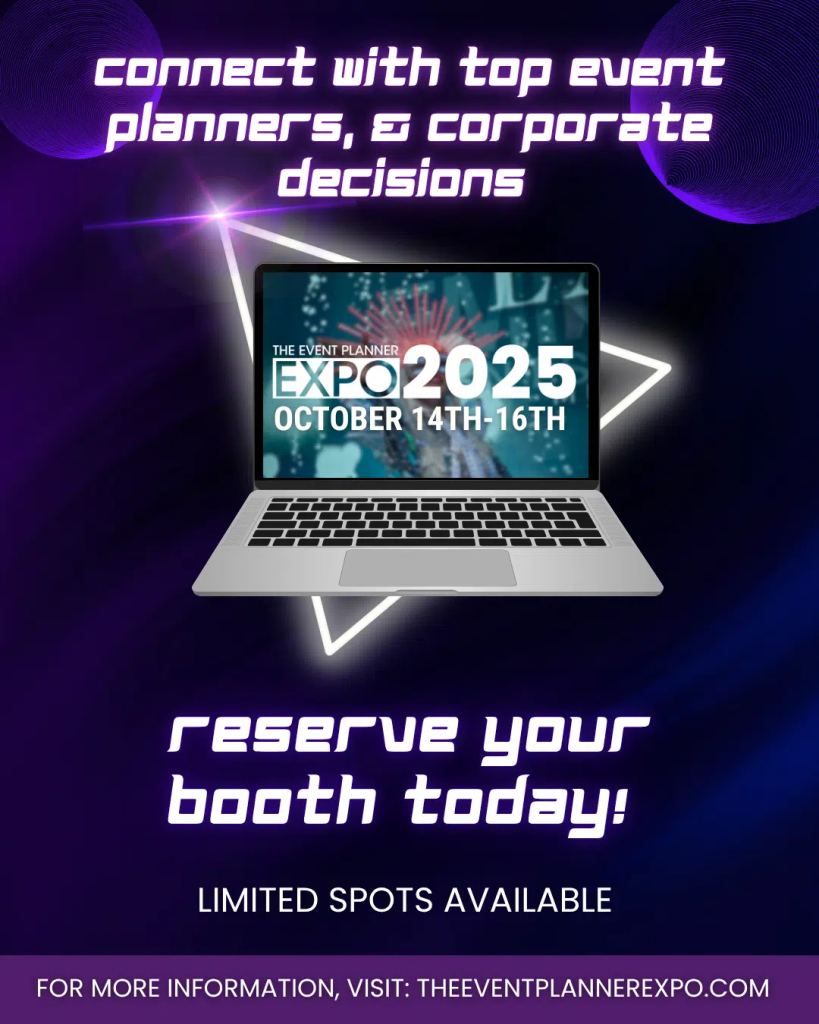
This is the place to be for anyone serious about event marketing. Held in the heart of New York City, The Event Planner Expo brings together the industry’s best and brightest. You’ll have the chance to connect with over 150 exhibitors showcasing the latest services and venues. The real magic, though, happens during the educational sessions. You can learn directly from powerhouse speakers who share actionable strategies for creating unforgettable events. It’s an incredible opportunity to find new partners, get inspired by innovative ideas, and walk away with a stronger marketing playbook. If you want to make meaningful connections that drive business growth, this is one event you can’t afford to miss.
Experiential Marketing Summit (EMS)
If you believe that experiences are the future of marketing, the Experiential Marketing Summit is your playground. This event is laser-focused on creating immersive brand moments that captivate audiences. It brings together marketing executives from global brands to share what’s working right now in experiential strategy. You’ll find workshops and panels dedicated to everything from event technology to measuring ROI on live activations. It’s the perfect place to learn how to build campaigns that people don’t just see but feel. Attending EMS means you’ll leave with a ton of fresh ideas for creating memorable, buzz-worthy events that build genuine brand loyalty.
IMEX America
As one of the largest trade shows in the industry, IMEX America is a must-attend for marketers who want a global perspective. This conference covers a massive range of topics, so you can find sessions on everything from sustainable event planning to the latest tech tools. The sheer scale of the event means the networking opportunities are incredible. You can meet with suppliers and partners from all over the world in one place. It’s an ideal environment for generating new ideas and discovering solutions you might not find anywhere else. If you’re looking to broaden your horizons and see what’s happening in the events industry on a global scale, IMEX America delivers.
MPI World Education Congress (WEC)
For marketers who are lifelong learners, the MPI World Education Congress is a fantastic choice. This event is heavily focused on professional development, offering expert-led classes and workshops designed to spark new ways of thinking. The sessions go deep into the practical side of event planning and marketing, giving you tangible skills you can apply immediately. Beyond the classroom, WEC is known for its powerful networking environment where you can forge new business partnerships and identify promising sales leads. It’s a great place to invest in your own growth while also building a network of valuable industry contacts who can help you achieve your business goals.
CEMA Summit
If you’re a senior marketer or corporate event leader, the CEMA Summit offers an exclusive, high-level experience. This isn’t your typical large-scale trade show; it’s an intimate gathering of top professionals from leading corporate brands. The focus here is on peer-to-peer learning and sharing best practices in a collaborative setting. You’ll be in the room with decision-makers who are shaping the future of the industry. It’s a unique opportunity to discuss challenges, exchange innovative ideas, and build relationships with other leaders in the field. For those looking to connect with the best of the best, the CEMA Summit provides a focused and powerful networking environment.
Event Tech Live (ETL)
Technology is at the core of every successful marketing campaign, and Event Tech Live is the place to see what’s next. This show is entirely dedicated to the technology that powers modern events. You can explore the latest software, demo new online event platforms, and get hands-on with cutting-edge audio-visual tools. It’s a fantastic opportunity to find the tech solutions that will make your events more engaging, efficient, and measurable. Plus, the event is often free for qualified professionals, making it an accessible way to stay ahead of the curve. If you want to understand how technology is shaping the future of the industry, ETL is essential.
How to Market Your Brand at a Trade Show
Exhibiting at a trade show is more than just showing up with a nice booth. A successful presence requires a thoughtful marketing strategy that starts weeks before the event and continues long after you’ve packed up. Think of it as a multi-stage campaign designed to attract the right people, make a memorable impression, and turn those new connections into real business opportunities. Your goal is to create a seamless experience that guides potential clients from seeing your name on the exhibitor list to signing a contract.
To get the most out of your investment, you need a plan that covers every touchpoint. This means building anticipation before the doors open, creating an engaging on-site experience, participating in the real-time digital conversation, and following up effectively. Each step is critical for converting interest into action. By focusing on these key areas, you can stand out from the crowd and ensure your brand is the one people are still talking about after the expo ends. Let’s walk through how to build a marketing plan that delivers results.
Build Buzz Before the Event
Your marketing should begin long before the trade show opens. Start by letting your existing network know you’ll be there. Announce your participation through email newsletters and social media posts, sharing your booth number and what attendees can expect to see. You can even offer a special incentive for people who book a meeting with you in advance. Consider running targeted ads aimed at professionals who have shown interest in the event. Promoting your presence beforehand ensures you have a steady stream of visitors and aren’t just relying on random foot traffic to find you.
Create an Interactive Booth Experience
Your booth is your home base for the event, so make it a destination. Instead of a passive display, create an interactive experience that draws people in. This could be a live demo of your product, a fun photo booth with branded props, a charging station for tired attendees, or a contest that encourages engagement. The goal is to give people a reason to stop, stay, and interact with your team. A memorable booth experience not only generates more leads but also makes a lasting impression that separates you from competitors on the show floor.
Engage on Social Media in Real-Time
The conversation isn’t just happening in the aisles; it’s happening online, too. Tap into the event’s energy by engaging on social media in real-time. Use the official event hashtag in your posts to increase visibility. Share photos and videos of your team interacting with attendees, highlight interesting moments from speaker sessions, and run a live giveaway for people who visit your booth. Creating “Instagrammable” moments at your booth can also encourage visitors to share content and amplify your reach organically. Active social media participation shows your brand is present and part of the industry conversation.
Develop a Strong Follow-Up Strategy
The connections you make at a trade show are valuable, but they’re only potential opportunities until you follow up. A common mistake is waiting too long or sending a generic message. Before the event, create a follow-up plan. Organize your new contacts and send personalized emails within a few days, referencing your conversation to jog their memory. Connect with them on LinkedIn to continue building the relationship. Remember that some partnerships can take months to develop, so a well-planned follow-up strategy is essential for turning those initial handshakes into lasting business.
What to Expect at a Marketing-Focused Trade Show
Walking into a major marketing-focused trade show can feel like stepping into the future of the event industry. The energy is high, and the opportunities are everywhere. But beyond the bustling exhibitor floor, these events are carefully structured to provide value in several key ways. Knowing what to expect helps you create a game plan to make the most of your time. From learning sessions with industry titans to hands-on tech demos, here’s a look at the core experiences that define a great marketing trade show. These events are designed to help you learn new things, improve your skills, and get fresh ideas to apply to your own work. You’ll find that the best trade shows are more than just a collection of booths; they are immersive environments built for growth. They bring together the brightest minds and the most innovative companies under one roof, creating a unique space for collaboration and discovery. Whether you’re a seasoned professional or new to the field, you’ll leave with a renewed sense of purpose and a clear vision for what’s next. It’s about connecting with the pulse of the industry and finding your place within it.
Educational Sessions and Workshops
Think of these sessions as your chance to get a masterclass from the best in the business. Marketing-focused trade shows bring together top-tier experts to share their knowledge on everything from social media strategy to experiential marketing. You can attend keynote presentations from powerhouse speakers who are shaping the industry or join smaller, hands-on workshops to develop specific skills. These sessions are perfect for getting up to speed on the latest trends and learning actionable tactics you can implement right away. It’s an incredible opportunity to ask questions, get direct feedback, and walk away with a notebook full of new ideas that will give you a competitive edge.
Technology Demos and Innovation Showcases
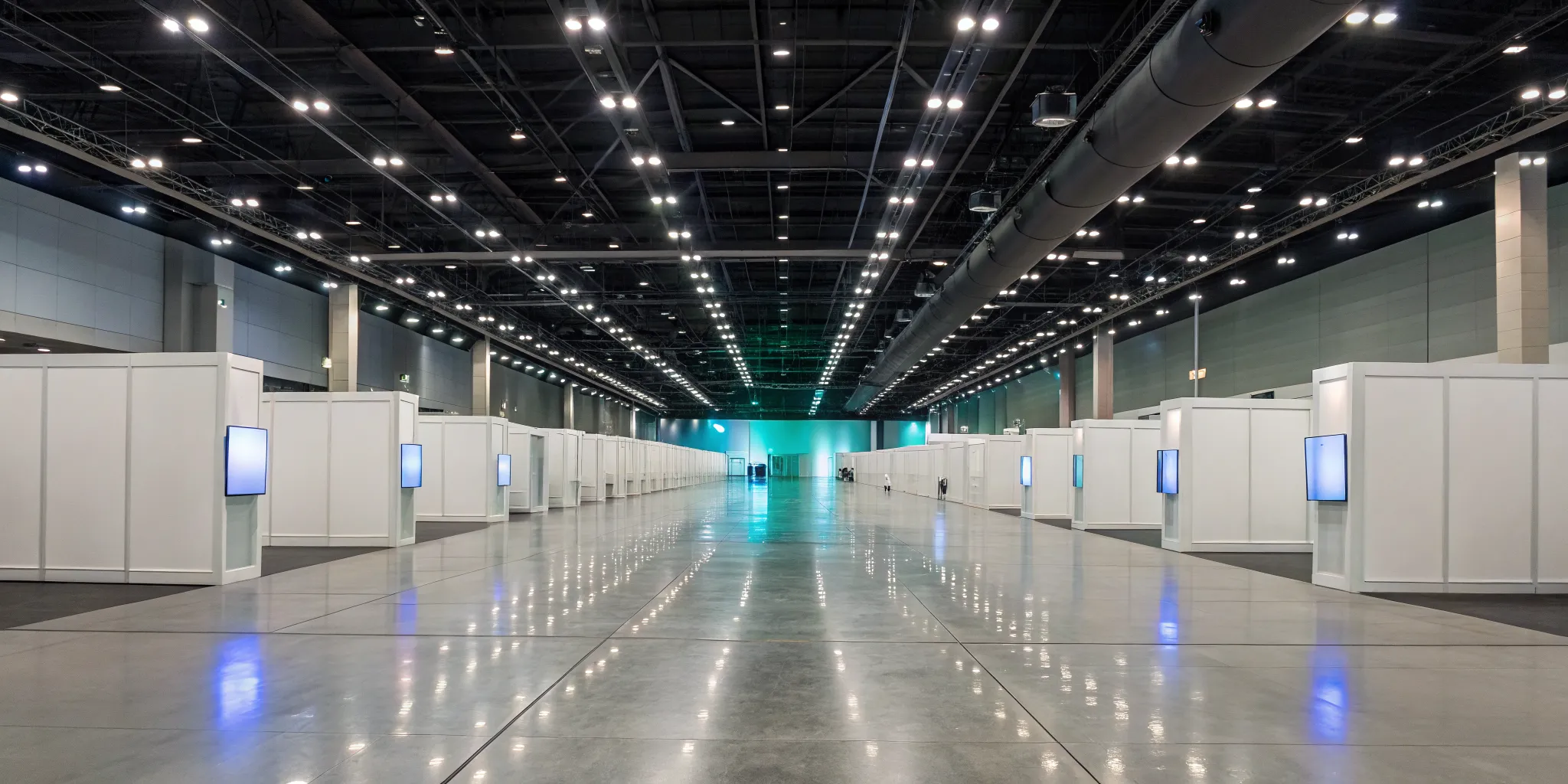
This is where you get a hands-on look at the future. The trade show floor is packed with exhibitors showcasing the latest event technology, from AI-powered analytics platforms to immersive VR experiences and streamlined event management software. Instead of just reading about these tools, you can see them in action, ask the developers specific questions about your needs, and figure out what will truly make a difference for your business. These demos are invaluable for finding new tech solutions that can save you time, improve attendee engagement, and deliver a better ROI for your events. It’s your chance to stay ahead of the curve and find the tools that will define the next generation of events.
Networking Events and Meetups
Beyond the scheduled sessions and exhibits, trade shows are all about connection. These events are filled with formal and informal opportunities to meet fellow professionals, potential clients, and future collaborators. You might find yourself striking up a conversation over coffee, joining a structured meetup for your specific niche, or connecting with a future mentor at an evening mixer. The key is to be open and ready to chat. These interactions are where lasting partnerships are formed and where you can build a support system of peers who understand your challenges. The goal is to learn more about others and build genuine relationships that extend long after the event is over.
Industry Awards and Recognition
Many trade shows include an awards ceremony or gala to celebrate the best and brightest in the industry. These events are more than just a party; they’re a source of inspiration. Watching the year’s most innovative and successful campaigns get recognized gives you a front-row seat to what excellence looks like. You can see which trends are making the biggest impact and learn from the creativity of your peers. It’s also another fantastic networking opportunity, allowing you to connect with industry leaders and top sponsors in a more relaxed, celebratory atmosphere. Attending helps you understand where the industry is headed and motivates you to create your own award-worthy work.
How to Choose the Right Trade Show for Your Goals
With so many trade shows on the calendar, picking the one that will actually move the needle for your business can feel like a huge task. The secret is to be strategic. Don’t just sign up for the biggest or trendiest event. Instead, carefully evaluate your options to find the show that aligns perfectly with your specific goals, whether that’s generating leads, building brand awareness, or forging new partnerships. Think of the following points as your guide to making a smart, informed decision that will pay off long after the event ends.
Align the Audience with Your Brand
Before you even look at the price of a booth, you need to know who will be walking the floor. The most important factor in choosing a trade show is whether its attendees are your target customers. Some events are strictly for professionals within a specific industry, while others are open to the public. Make sure you know the difference. Dig into the event’s demographics from previous years. Look for information on job titles, industries, and company sizes. You want to be in a room filled with your ideal clients. For example, an event like The Event Planner Expo attracts high-level corporate decision-makers, making it a perfect fit for B2B service providers.
Assess the ROI and Budget
Let’s be real: exhibiting at a trade show is a major investment. The costs go far beyond the price of your booth space. You’ll need to budget for display design, shipping, travel and accommodation for your team, marketing materials, and any samples or giveaways. These expenses can add up quickly. Before you commit, create a detailed budget that covers every potential cost. Then, define what success looks like for you. How many qualified leads do you need to generate? How many sales meetings do you want to book? By setting clear goals, you can better assess the potential return and decide if the investment makes financial sense for your business.
Consider Location, Timing, and Logistics
The where and when of a trade show are just as critical as the who. An event in a major business hub like New York City provides access to a dense concentration of potential clients and partners. Consider if the location aligns with your key markets or areas you’re hoping to expand into. The timing is also crucial. Does the show fall during your busy season or a slower period? Does it line up with a new product launch? You should also review the event’s schedule to ensure the sessions and networking opportunities are relevant. Don’t forget the practical logistics for your team, like travel time and costs, to ensure a smooth experience.
Analyze Competitor Presence
Seeing your competitors on an exhibitor list can be a good thing. Their presence often validates that the event attracts the right audience for your industry. It’s a sign that important conversations and deals are happening there. Take a look at the exhibitor lists from past years to see which of your competitors attended. Also, look for potential partners or complementary businesses. Being at the same event gives you a chance to see how they present themselves and connect with people in person. While you’ll need a strong plan to stand out, attending a show where key industry players gather is a powerful way to build relationships and keep a pulse on the market.
How to Prepare for Trade Show Success
Attending a major trade show is a significant investment of time, money, and energy. To make sure it pays off, you need a solid plan. Walking onto the show floor without a clear strategy is like trying to build furniture without instructions; you might end up with something, but it probably won’t be what you wanted. True success comes from thoughtful preparation. By focusing on your goals, booth experience, team, and materials, you can turn your trade show presence into a powerful engine for business growth.
Set Clear, Measurable Goals
Before you even think about your booth design or what swag to order, you need to define what success looks like for your brand. Setting clear, measurable goals is essential because these goals will guide your entire strategy and help you fairly assess your return on investment afterward. Are you there to generate leads, increase brand awareness, launch a new product, or build strategic partnerships?
Get specific. Instead of aiming to “get more leads,” set a goal like “scan 200 qualified leads and book 20 follow-up demos.” This gives your team a concrete target to work toward. Your goals should be ambitious but realistic, aligning with your overall business objectives. Writing them down and sharing them with your team ensures everyone is on the same page and working together to make your trade show participation a certified win.
Plan Your Booth Design and Experience
Your booth is your brand’s home for the duration of the event, so make it a place people want to visit. Think beyond a simple table and backdrop. Your goal is to create an immersive experience that stops attendees in their tracks and draws them in. Consider how the layout, lighting, and interactive elements can tell your brand’s story. A unique design or an unexpected location on the show floor can create curiosity and make your presence more memorable.
Incorporate activities that encourage engagement, like a live demo, a fun photo booth, or a quick contest. The more interactive and visually appealing your space is, the longer people will stay and the more they’ll remember you. Check out the list of current exhibitors to get inspired and see how you can create a standout experience that reflects your brand’s unique personality.
Train Your Staff and Assign Roles
The people working your booth are the living, breathing embodiment of your brand. Having the right team is crucial, so choose staff members who are energetic, knowledgeable, and genuinely enjoy talking to people. Before the event, hold a training session to ensure everyone understands your goals, key talking points, and the specific roles they’ll play.
Assigning clear responsibilities prevents confusion and keeps your booth running smoothly. You might have one person dedicated to greeting attendees, another running demos, and a third scanning badges and qualifying leads. Your team should be trained to make every visitor feel welcome and engaged, creating a positive and lasting impression. When your staff is confident and prepared, they can focus on what really matters: making meaningful connections.
Prepare Marketing Materials and Giveaways
Your marketing materials and giveaways should support your goals and leave a lasting impression. Forget flimsy flyers that get tossed in the nearest bin. Instead, create high-quality, visually appealing one-pagers or brochures that clearly communicate your value proposition and include a strong call to action. Make sure your digital materials are just as polished and easy to access via a QR code.
When it comes to giveaways, think useful and memorable. Offering free samples, special VIP access, or limited-time deals can attract attendees to your booth. A high-quality tote bag, a portable charger, or a premium notebook is more likely to be used and remembered than a cheap pen. The right giveaway keeps your brand top-of-mind long after the event ends and gives potential customers a positive way to experience your product without any risk.
How to Maximize Your Trade Show Investment
Attending a trade show like The Event Planner Expo is a major investment in your business, and you want to make sure every dollar and minute counts. Going in with a clear strategy is the best way to ensure you walk away with valuable connections, qualified leads, and a tangible return on your investment. It’s not just about showing up; it’s about showing up with a purpose.
Think of it this way: you’ve already committed to being in a room filled with your ideal clients, partners, and industry peers. The hard part is done. Now, you just need a game plan to make the most of this incredible opportunity. From capturing leads efficiently to building relationships that last, a little preparation goes a long way. By focusing on a few key areas, you can transform your trade show experience from a simple networking event into a powerful engine for business growth. Let’s walk through the actionable steps you can take to make sure your investment pays off.
Implement a Lead Capture System
Walking away with a pocketful of business cards is a start, but a modern lead capture system is far more effective. Before the event, decide how you’ll collect and qualify leads. This could be a badge scanner, a tablet with a simple intake form, or a custom QR code that directs people to a landing page. The key is to make it quick and seamless. You can also add a field for notes to jot down key details from your conversation, which will be invaluable for your follow-up. A solid system ensures no lead falls through the cracks and helps you prioritize who to contact first after the show.
Focus on Building Relationships
While lead generation is important, trade shows are fundamentally about human connection. Instead of launching into a sales pitch, focus on building genuine relationships. Ask thoughtful questions, listen to their challenges, and find common ground. Remember, you’re meeting potential partners, suppliers, and customers face-to-face, which is a rare opportunity to build trust. Take the time to connect with the industry’s top speakers and fellow attendees. A meaningful conversation is far more memorable than a generic pitch and lays the foundation for a lasting business relationship.
Measure Your Success and ROI
How will you know if the trade show was a success? By measuring your return on investment (ROI). Before you even go, define what success looks like for your brand. Set clear goals, like generating a certain number of qualified leads, scheduling a specific number of demos, or securing media mentions. During the event, you can get immediate feedback on new products or ideas. Afterward, track your metrics, including cost per lead and the total value of deals closed. This data will not only justify your investment but also help you refine your strategy for future events you exhibit at.
Turn Connections into Partnerships
The real work begins after the trade show floor closes. A prompt and personalized follow-up is critical to turning those new connections into concrete business opportunities. Don’t just send a generic “nice to meet you” email. Reference your conversation to show you were paying attention and offer clear next steps, whether it’s scheduling a call or sending more information. It’s important to follow up with contacts after the show, but also be patient. Some partnerships can take months to develop. Consistent, thoughtful communication is the key to nurturing these new relationships and transforming them into valuable, long-term partnerships.
Start Planning Your Trade Show Experience
Attending a trade show is a major investment of your time, energy, and budget, so walking in without a plan is a missed opportunity. The most successful attendees and exhibitors are the ones who treat the event like a strategic campaign. It all starts with defining what you want to accomplish. Before you even book your ticket, ask yourself what a “win” looks like for your business. Is it securing a specific number of qualified leads? Is it building brand awareness with a key demographic? Or is it learning a new skill from one of the educational sessions? Setting clear, measurable goals will be your compass for every decision you make, from which sessions you attend to who you connect with on the floor.
Once you know your “why,” you can focus on the “how.” A trade show is your chance to make a memorable impression. Think beyond just a booth with a banner. How can you create an interactive experience that draws people in and starts a conversation? These events are incredible opportunities for networking and market research, but those connections won’t just fall into your lap. Study the list of exhibitors and speakers ahead of time and make a list of people you want to meet. Prepare your talking points, but more importantly, be ready to listen and build genuine relationships.
Finally, remember that trade shows are a powerful source of inspiration and professional growth. Give yourself time to walk the floor, see what other brands are doing, and absorb new ideas. Listen to the powerhouse speakers and take notes during workshops. You’ll leave not only with new contacts but also with fresh perspectives that can shape your marketing strategy for the year ahead. By combining clear goals with a creative engagement strategy and a curious mindset, you can turn your next trade show into a game-changing event for your business. Ready to put your plan into action? Register for The Event Planner Expo and start making connections that matter.
Related Articles
- Trade Show Planning Advice Today’s Event Planners Need to Hear
- Event Trade Shows & Conferences for Planners
- How Event Trade Shows Will Change Your Career
- Planning Conferences & Trade Shows in 2023
- Innovative Trade Show Ideas to Engage Attendees
Frequently Asked Questions
What’s the difference between attending and exhibiting, and how do I know which is right for my business? Think of it this way: attending is for discovery, and exhibiting is for demonstration. If your main goal is to learn, find new vendors, network with peers, and get inspired by industry leaders, you should attend. It’s an investment in your professional development and your company’s strategy. If your primary goal is to generate leads, showcase your products or services, and build brand visibility, you should exhibit. The right choice depends entirely on whether you are there to source solutions or to be the solution.
Trade shows seem expensive. How can I justify the cost, especially for a smaller company? It’s true that there’s a significant investment involved, but it’s helpful to frame it as a concentrated business development effort. The cost of attending or exhibiting gives you direct access to hundreds of potential clients, partners, and industry experts in just a few days. Reaching that many qualified people through other marketing channels would take months and a much larger budget. To justify the cost, set clear, measurable goals beforehand, like the number of qualified leads you need to generate or the strategic partnerships you want to form. When you can track your return on investment, the cost becomes a clear and logical business decision.
I’m not a natural networker. Any tips for making meaningful connections without feeling awkward? You are definitely not alone in feeling this way. The key is to focus on quality over quantity. Instead of trying to talk to everyone, aim for a few genuine conversations. Before you go, prepare one or two open-ended questions you can ask anyone, like “What’s the most interesting thing you’ve seen today?” or “What challenge are you hoping to solve by being here?” This takes the pressure off you to do all the talking. Also, remember that listening is a networking superpower. People appreciate being heard, and it gives you a great opportunity to learn if they’re a good connection for you.
What’s the single biggest mistake you see people make at trade shows? The most common mistake is a lack of follow-up. So many people put immense effort into planning for the event and making connections on the floor, only to return to the office and let those new leads go cold. A business card or a scanned badge is just a piece of data; it only becomes valuable when you use it to continue the conversation. Having a simple, organized plan for following up within a few days is crucial. A personalized email that references your conversation will make you stand out and turn that initial handshake into a real business relationship.
How can I make the most of the experience if I can only attend for one day? If you only have one day, your strategy needs to be laser-focused. Before you arrive, study the event schedule and exhibitor map like you’re preparing for a final exam. Identify your top three “must-see” speakers or sessions and your top ten “must-visit” exhibitors. Plan your route through the expo hall to be as efficient as possible. Arrive early, stay for any evening networking events, and give yourself permission to politely exit conversations that aren’t aligned with your goals for the day. A single, well-planned day can be incredibly productive if you treat every minute with intention.