The event industry is on track to become a $2.5 trillion market, a staggering figure that signals immense opportunity for those ready to seize it. But in a space this large and dynamic, growth isn’t guaranteed—it’s earned through smart strategy and informed decisions. How do you position yourself or your company to capitalize on this expansion? It begins with a clear-eyed view of the current landscape. A deep dive into market research event planning industry trends is essential for understanding where the opportunities lie. This article breaks down the numbers, players, and technologies shaping the future, giving you a roadmap for success.
Key Takeaways
- Start with research to make smarter decisions: Grounding your event in solid market research helps you understand your audience and competitors, allowing you to create a targeted experience that truly connects and achieves your goals.
- Keep up with key industry shifts: The events world is constantly changing with new technologies, hybrid formats, and evolving attendee expectations. Adapting to these trends is crucial for creating relevant, engaging, and memorable experiences.
- Select a planner who is a true strategic partner: Look beyond a portfolio and choose a professional whose experience, services, and communication style align with your specific needs. The right partnership ensures a seamless process and a successful outcome.
What is market research for event planning?
Think of market research as your secret weapon for understanding what makes your audience tick. It’s the process of gathering information about your potential attendees, your competitors, and your industry to get a clear picture of the landscape you’re working in. This foundational knowledge is what allows you to move beyond guesswork and create an event that truly connects with people. Instead of just planning an event you think they’ll love, you can design one you know they’ll love.
This research helps you tailor every single detail, from the speakers you book and the topics you cover to the way you market the event. It’s about making informed decisions that lead to sold-out venues and rave reviews. By understanding your target audience on a deeper level, you can anticipate their needs, answer their questions before they even ask, and build an experience that feels like it was made just for them.
Why great events start with great research
Great events don’t happen by accident; they are the result of careful planning rooted in solid research. Building an event research methodology before you even start planning allows you to define what success looks like and how you’ll measure it. This proactive approach helps you identify key performance indicators (KPIs) from the get-go, ensuring you can track your progress and prove your event’s value later on.
You don’t need a massive budget to get started, either. Embracing online polls and surveys is a highly cost-effective market research method that can give you incredible insights. The data you gather can shape everything from your event’s theme to your marketing campaigns, making sure your efforts are perfectly aligned with what your audience wants and expects.
The building blocks of solid event research
Solid research isn’t just about collecting numbers; it’s about turning that data into smart decisions that shape your event. The goal is to gather information and create actionable insights that help you refine your event concept, improve your marketing, and create a more engaging experience for everyone involved. This is where raw data becomes a roadmap for success.
This process involves using proven research methods and practical tools to understand your audience and the market. By focusing on these building blocks, you can move from simply collecting data to truly understanding it. This understanding is what allows you to create events that not only draw a crowd but also deliver a memorable experience that keeps people talking long after it’s over.
What the data says about industry growth
The event planning industry isn’t just recovering; it’s expanding at an incredible pace. For anyone in this space, understanding the numbers and trends is key to making smart business decisions. The data points to a future full of opportunity, driven by new technology and evolving attendee expectations. Let’s look at the key figures and forces shaping the industry, so you can position yourself and your business for success.
Sizing up the market: Revenue and projections
The numbers speak for themselves: the event industry is big business and getting bigger. The global market was valued at nearly $737 billion in 2021 and is on track to hit a staggering $2.5 trillion by 2035. That’s an annual growth rate of about 6.8%, according to an Events Industry Market forecast.
Here in the US, the Party & Event Planners industry is a significant market, worth about $1.7 billion. This sector has seen steady growth over the last five years, showing resilience and consistent demand. For event professionals, this data signals a healthy, expanding market with plenty of room for new ventures and established businesses to thrive.
The tech and trends driving the future
Technology is no longer just a tool for managing logistics; it’s at the heart of the event experience itself. Innovations in artificial intelligence (AI), virtual reality (VR), and augmented reality (AR) are allowing planners to create deeply immersive and personalized events. Imagine AI-powered apps that suggest sessions tailored to an attendee’s interests or send real-time notifications to guide their journey.
These advancements aren’t just futuristic concepts; they are practical tools that enhance engagement and deliver more value. By integrating smart technology, you can create more interactive and memorable experiences for your audience. Learning from top industry speakers is one of the best ways to stay ahead of these technological shifts.
Where the growth is happening
While the industry is growing globally, some regions are expanding faster than others. The Asia-Pacific region, for instance, is projected to see an impressive annual growth rate of 7.7%. This highlights the global nature of the events world and the potential for international opportunities.
Closer to home, a major trend is the focus on risk management. As events become more complex, organizers are refining their procedures to identify and address potential threats quickly and effectively. Staying current on topics like safety protocols and contingency planning is crucial for protecting your clients and your business. Keeping an eye on the event schedule at major conferences can help you find sessions dedicated to these essential operational skills.
Who are the major players in event planning?
The event planning industry is a vibrant ecosystem filled with a diverse range of specialists. It’s not dominated by just one type of company; instead, you’ll find leaders across different niches, from massive corporate event firms to boutique wedding planners and cutting-edge tech platforms. Understanding who these key players are helps you see the full picture of the industry and find the right partners for your specific needs. Whether you’re a corporate executive looking for a firm to manage a global conference or an entrepreneur seeking the right tech for a hybrid launch, knowing the landscape is the first step.
Some of the most influential players aren’t even planners themselves, but the platforms and conferences that bring everyone together. These hubs are where connections are made, trends are set, and the future of the industry takes shape. Beyond these central meeting points, you have the established firms that handle large-scale corporate functions for global brands, the creative specialists who design unforgettable personal celebrations, and the innovators who are redefining events with technology. Each segment plays a crucial role in making the industry dynamic and resilient, offering specialized expertise for every possible occasion.
The Event Planner Expo
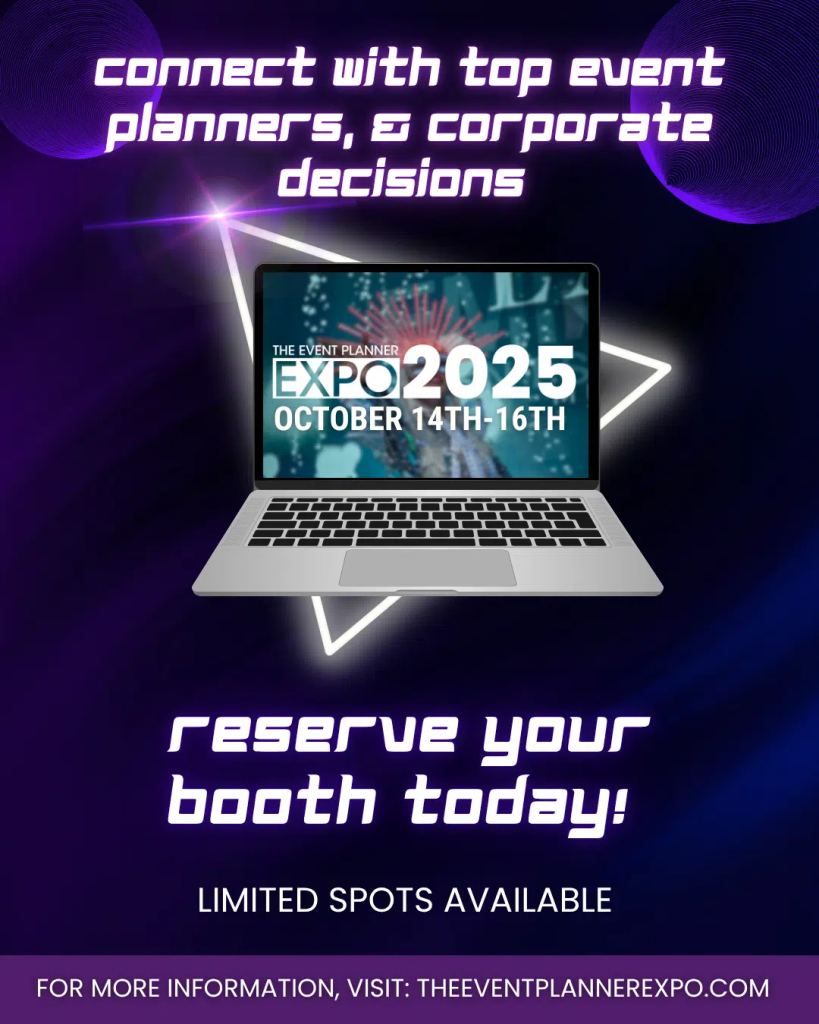
As the #1 conference for the events and marketing industries, The Event Planner Expo is a major player in its own right. It’s the central meeting point where thousands of top-tier event planners, corporate decision-makers, marketers, and entrepreneurs gather to do business. This three-day event in New York City is where you can connect with over 150 world-class exhibitors and learn directly from powerhouse speakers. It’s more than just a conference; it’s a catalyst for growth, innovation, and game-changing partnerships that move the entire industry forward. For anyone serious about their career in events, being here is essential.
Leaders in corporate events
In the corporate world, events are a powerful tool for building brands, launching products, and connecting with stakeholders. The firms that lead this space are experts in executing flawless, large-scale events like conferences, trade shows, and high-profile brand activations. Companies such as Abigail Kirsch and Marquee Event Group Inc. are well-known for their ability to manage complex logistics and deliver impressive results for their corporate clients. These planners are masters of strategy, ensuring every detail aligns with business objectives. You’ll often find leaders from these top-tier companies and their clients networking and discovering new vendors at The Event Planner Expo.
Specialists in weddings and social gatherings
While corporate events make headlines, the heart of the industry for many is in personal celebrations. Specialists in weddings, milestone birthdays, and other social gatherings are masters of creating deeply personal and memorable experiences. This segment is driven by clients who want a unique event that reflects their personality and style. These planners excel at everything from venue selection and vendor management to design and day-of coordination. They blend creativity with meticulous organization to turn a client’s vision into a beautiful reality, proving that some of the most impactful events are the most personal ones.
The go-to names for virtual and tech events
Technology has completely transformed the event landscape, giving rise to a new category of industry leaders: virtual and hybrid event specialists. These companies are the go-to experts for integrating technology to create engaging and accessible experiences for a global audience. They provide the platforms, software, and technical know-how to produce seamless virtual conferences, webinars, and hybrid meetings. As more organizations embrace digital-first strategies, these tech-focused players are becoming indispensable. They are constantly pushing the boundaries of what’s possible, and you can often hear them share their latest insights on stage with our lineup of expert speakers.
What can an event planning company do for you?
Event planning companies are the secret weapon behind some of the most seamless and memorable gatherings. They do more than just book venues and send invitations; they are strategists, creatives, and logistical masters rolled into one. Whether you’re a corporation looking to make a splash or an individual planning a once-in-a-lifetime celebration, a professional planner brings expertise that can transform your vision into a flawless reality. Their services span a wide range, from large-scale corporate conferences to intimate social events, each handled with a unique skill set.
Managing corporate functions
For businesses, events are powerful tools for building a brand, launching products, and strengthening relationships with clients and partners. An event planning company specializes in creating corporate functions that align with your business goals. They handle everything from conferences and trade shows to team-building retreats and holiday parties. In a world where face-to-face interaction remains incredibly valuable, these professionals ensure your event makes the right impression. They manage logistics, coordinate with vendors, and create an environment where you can connect with the people who matter most to your business. Many of the top exhibitors at industry conferences are experts in this space.
Crafting weddings and social celebrations
Weddings and major social events are deeply personal, and a great planner understands that. This is where the art of detail-oriented planning truly shines. In fact, weddings consistently represent one of the largest service areas for event planners, who are tasked with creating unforgettable experiences. From finding the perfect venue to coordinating florists, caterers, and entertainment, they manage every element to reflect your personal style. Their expertise allows you to enjoy the celebration without stressing over the logistics, ensuring your special day is as magical as you imagined. They are the storytellers who bring your vision to life.
Producing virtual and hybrid experiences
The event landscape has expanded far beyond physical venues. Today’s top planners are well-versed in producing engaging virtual and hybrid events that reach a global audience. By using emerging technologies, they can create immersive and interactive experiences for attendees, whether they’re in the room or on a screen. This includes managing live streams, coordinating virtual breakout sessions, and integrating digital tools that keep everyone connected. These tech-savvy planners help you stay ahead of the curve, ensuring your event is modern, accessible, and makes a lasting impact. You can often hear from leading speakers on how to master these new formats.
Exploring niche and specialty events
The event industry is incredibly diverse, with many planners specializing in unique and niche markets. Whether you’re organizing a wellness retreat, a food and wine festival, a charity gala, or a pop-up fashion show, there’s likely a planner with specific experience in that area. These specialists understand the unique demands and audience expectations of their niche. Because the industry is filled with so many creative small businesses, you can find a partner perfectly suited to your specific event type. This allows for highly tailored experiences that resonate deeply with a particular community or interest group.
The top trends defining events right now
The event industry is constantly changing, and staying ahead of the curve is what separates a good event from a great one. It’s not about chasing every new fad, but about understanding the shifts in how people want to connect, learn, and experience things. From the technology we use to the values we prioritize, these major trends are shaping the future of events. By embracing them, you can design more engaging, inclusive, and impactful experiences that resonate with your audience long after the day is over.
The rise of hybrid and virtual formats
The question is no longer if you should offer a virtual component, but how you can make it a seamless part of the experience. Hybrid events are the new standard, expanding your reach to a global audience and providing a flexible option for those who can’t attend in person. The key is to create an equally engaging experience for both audiences. This means investing in high-quality streaming, interactive tools like polls and Q&As for virtual attendees, and dedicated networking opportunities that bridge the physical and digital divide. Offering robust virtual attendance options makes your event more accessible and inclusive, ultimately extending its impact and value.
Integrating AI and smart technology
Artificial intelligence and other smart technologies are moving from novelty to necessity in event planning. AI-powered tools can now handle everything from personalized scheduling to real-time language translation, making events more efficient and attendee-focused. Imagine an event app that suggests relevant sessions based on a guest’s professional interests or helps them network with the right people. Beyond logistics, immersive technologies like augmented reality (AR) and virtual reality (VR) can create incredible, multi-sensory experiences that captivate your audience. These tools aren’t just about flash; they’re about using technology to deliver a smarter, more personalized, and unforgettable event.
Putting sustainability into practice
Today’s attendees are more environmentally conscious than ever, and they expect the events they attend to reflect those values. Sustainability is now a core component of credible event planning. This goes beyond simply reducing paper waste. It’s about making deliberate choices, from sourcing food from local providers to selecting venues committed to energy efficiency. Planners are also working with sustainable partners and vendors who share their commitment to minimizing environmental impact. Communicating your green initiatives to attendees not only builds goodwill but also reinforces your brand’s dedication to corporate responsibility, which can be a powerful differentiator.
Creating personalized, unforgettable experiences
Ultimately, all these trends point to one central goal: creating highly personalized and memorable experiences. Attendees don’t want a one-size-fits-all agenda; they want to feel that the event was designed with them in mind. Technology is a huge enabler here, allowing you to customize everything from content recommendations to networking introductions. By gathering data on attendee preferences, you can tailor communications and activities to make each person feel seen and valued. The focus is on crafting a unique journey for every guest, whether they’re in the room or joining online. This is how you create truly memorable events that build lasting connections and drive real results.
Common hurdles for today’s event planners
Even the most seasoned event professional faces challenges. The industry is constantly changing, with new technologies, economic shifts, and evolving client demands keeping everyone on their toes. Staying ahead means understanding these hurdles and having a strategy to clear them. It’s not just about putting out fires; it’s about building a resilient business that can thrive no matter what comes its way. By tackling these issues head-on, you can demonstrate your value, streamline your processes, and deliver incredible experiences that keep clients coming back. Let’s look at some of the most common challenges event planners are dealing with right now.
Handling economic shifts and a crowded market
When budgets get tight, clients often start to see professional event planning as a luxury rather than a necessity. You’re not just competing with other pros; you’re up against a growing DIY trend, especially for smaller social events. This makes it more important than ever to clearly communicate your value. You save clients time, reduce their stress, and leverage your industry connections to get them better deals. One of the best ways to stay competitive is to build a strong network and stay informed on industry trends, which is why attending events like The Event Planner Expo is so crucial for making those game-changing connections.
Managing rising costs and tight budgets
It feels like the cost of everything is going up, and events are no exception. From venue rentals and catering to entertainment and staffing, every line item on your budget is under pressure. Clients want unforgettable experiences, but they’re also watching their wallets closely. This puts you in the tough position of needing to deliver more for less. Mastering the art of budget management is non-negotiable. It requires careful planning, savvy negotiation with vendors, and creative problem-solving to make every dollar count without compromising the quality of the event.
Keeping up with new technology
Technology in the events world is moving at lightning speed. Innovations in AI, virtual reality (VR), and augmented reality (AR) are no longer futuristic concepts—they’re tools being used right now to create more engaging and personalized experiences. The challenge isn’t just knowing these technologies exist; it’s understanding how to integrate them effectively into your events. Staying current requires continuous learning and a willingness to experiment. Connecting with top event tech exhibitors can give you a firsthand look at the latest solutions that can set your events apart.
Meeting evolving client expectations
Today’s attendees expect more than just a well-organized event; they want a memorable experience tailored to them. The one-size-fits-all approach is a thing of the past. Clients and their guests are looking for personalization, interactive elements, and unique touches that make them feel seen and valued. This means you need to dig deeper to understand your audience and leverage data to inform your creative decisions. Learning from industry leaders who are masters of experience design can provide the inspiration and strategies you need to consistently exceed expectations and create events people will be talking about for years.
How do event planners price their services?
Figuring out how to price your services—or understanding what you’re paying for—can feel like one of the trickiest parts of the event planning business. There isn’t a single, one-size-fits-all answer, because every event is unique. However, most professional planners use a few standard models to structure their fees. Knowing these models helps you set clear expectations from the start, whether you’re the one planning the event or hiring someone to do it for you.
The final price tag is shaped by a variety of factors, from the complexity of the event to how much lead time you have. By understanding what goes into a planner’s quote, you can create a realistic budget and ensure you’re getting the right level of support for your needs. It’s all about finding a structure that provides transparency and value for everyone involved. At The Event Planner Expo, we connect you with industry leaders who have mastered the art of pricing and negotiation, giving you the tools to build a more profitable business.
Breaking down common pricing models
Event planners generally use one of four main pricing models. The most straightforward is a flat fee, where you agree on a single price for the entire project. This is great for clients who want cost certainty. Another option is an hourly rate, which works well for smaller consultations or when the scope of work is less defined. Some planners charge a percentage of the total event budget, typically between 10% and 20%. This model aligns the planner’s fee with the scale of the event. Finally, many planners offer package pricing, creating tiered options with different levels of service. This allows clients to choose the package that best fits their needs and budget, making it a popular and transparent pricing strategy.
What influences the final cost?
Several key factors determine the final cost of hiring an event planner. The type and size of the event are the biggest drivers; a large-scale corporate conference will naturally require more resources and time than an intimate social gathering. Location also plays a major role, as costs for venues, permits, and local vendors can vary dramatically between cities. The timeframe is another critical element. A rush job with a tight deadline often comes with a higher price tag to account for the expedited work and potential last-minute vendor fees. Finally, a planner’s established vendor relationships can impact the budget, sometimes leading to better rates or added value that influences the overall cost.
Budgeting tips for different kinds of events
No matter the event, smart budgeting is essential. Start by prioritizing the key elements that will make the biggest impact, whether it’s the venue, catering, or keynote speaker, and allocate your funds there first. It’s also a smart move to create a contingency fund—usually 10-15% of your total budget—to cover any unexpected costs that pop up. Don’t be afraid to research and compare vendors to find the best fit for your budget and vision. And finally, use technology to your advantage. Event planning software can help you track expenses and keep everything organized, ensuring you stay on budget from start to finish. These practices help you host an event that feels premium without overspending.
How the pros do their research
Top event planners don’t leave success to chance. They rely on solid market research to understand their audience, refine their strategies, and stay ahead of the curve. This isn’t about complex algorithms or expensive reports; it’s about being methodical and curious. By gathering the right information, professionals can design events that truly resonate with attendees and deliver measurable results for clients and stakeholders.
The best in the business use a mix of techniques to get a complete picture of the market. They listen to what potential attendees are saying, keep a close eye on what competitors are doing, and use data to back up their decisions. This approach helps them spot new opportunities and avoid costly mistakes. Learning from industry leaders at events like The Event Planner Expo is a fantastic way to see these strategies in action and hear directly from the experts who use them every day.
Using surveys and polls to know your audience
One of the most direct ways to understand what your audience wants is simply to ask them. Pros use online polls and surveys as a cost-effective way to gather direct feedback from potential attendees. These tools help you move beyond assumptions and tailor every aspect of your event to meet real preferences and expectations. You can ask about everything from preferred speakers and topics to ideal ticket prices and session formats. This direct line of communication not only provides valuable insights but also makes your audience feel heard and invested in the event before it even begins.
Tracking performance with data analytics
Data analytics gives you a powerful lens to see what’s working and what isn’t. Market research is all about gathering information to create actionable insights, and analytics is how you measure your efforts in real time. By tracking key performance metrics—like ticket sales, website traffic, and engagement rates on your marketing campaigns—you can make informed adjustments on the fly. For example, if you see that a certain email campaign is driving a lot of registrations, you know to double down on that approach. This data-driven strategy helps you refine your marketing and allocate your resources more effectively.
Listening on social media and analyzing competitors
Social media is a goldmine of information for event planners. By actively listening to conversations on different platforms, you can gauge audience sentiment, identify emerging trends, and see what people are saying about similar events. It’s also the perfect place to analyze your competitors. Pay attention to how they promote their events, engage with their audience, and handle feedback. This doesn’t mean you should copy them, but it can reveal gaps in the market or inspire new ideas for your own strategy. Understanding the broader landscape helps you position your event to stand out and attract the right crowd.
How to choose the right event planner
Finding the right event planner is one of the most critical decisions you’ll make. This partnership goes beyond a simple transaction; you’re entrusting someone with your vision, budget, and brand reputation. The best planner doesn’t just execute tasks—they become a strategic partner who understands your goals and brings them to life seamlessly.
To find that perfect fit, you need to look past the glossy portfolios and ask the right questions. It’s about finding a professional whose experience aligns with your event’s complexity, whose services match your specific needs, and whose communication style gives you confidence. Think of it as hiring a key team member. You want someone with the right skills, a compatible working style, and a genuine passion for making your event a success. The goal is to find a planner who not only gets the job done but makes the entire process feel collaborative and stress-free.
Checking for key qualifications and experience
When you start vetting event planners, experience should be at the top of your checklist. A seasoned professional brings more than just a network of vendors; they bring problem-solving skills honed over years of managing complex logistics and unexpected challenges. Look for a planner who has a solid grasp of the industry, from the latest trends to the most effective event management software. Their portfolio should showcase events similar in scale and scope to yours. Don’t be afraid to ask detailed questions about their experience with budgeting, logistics, and vendor management. The most accomplished professionals, like the speakers at major industry conferences, have a deep well of knowledge to draw from.
Matching their services to your needs
Not all event planners offer the same services, so it’s essential to find one whose offerings align perfectly with your requirements. Are you looking for a full-service planner to handle everything from concept to execution, or do you just need day-of coordination? Be clear about what you need. Some planners specialize in large corporate functions, while others excel at intimate social gatherings. A great planner will offer tailored solutions that fit your unique goals. When you connect with potential planners, discuss the specific support you need. This ensures you’re partnering with someone who can truly deliver on your vision, whether you find them through a referral or by exploring a directory of top-tier exhibitors.
Understanding their communication and workflow
A planner’s experience and services are crucial, but their communication style and workflow are what will define your day-to-day working relationship. Effective communication is the backbone of successful event planning. Before signing a contract, make sure you understand their process. How will they keep you updated on progress? How often will you meet? What is their typical response time for calls and emails? A professional planner should have a clear, organized workflow for managing timelines, feedback, and deliverables. This transparency builds trust and ensures that you feel informed and in control throughout the planning process. A well-defined schedule and clear communication are signs of a true professional.
How to do your own market research
Whether you’re planning a massive corporate conference or an intimate brand launch, doing a bit of market research upfront is one of the smartest moves you can make. It’s not about getting bogged down in spreadsheets; it’s about gaining clarity. Think of it as building a strong foundation before you start decorating. This process helps you understand your audience on a deeper level, see what your competitors are up to, and define what success truly looks for your event.
Taking the time to research empowers you to make informed decisions every step of the way. You’ll be able to write a sharper event brief, ask potential planners the right questions, and allocate your budget where it will have the most impact. It’s the difference between hoping for a great outcome and strategically planning for one. By grounding your strategy in solid insights, you set yourself and your team up for a successful, memorable event that resonates with attendees. For more industry insights, you can always find fresh ideas on our event planning blog.
First, define your event needs
Before you can find the perfect event planner, you need to know exactly what you’re looking for. This starts with defining your event’s core purpose. Market research is simply the process of gathering information to better understand your audience, industry, and goals. Ask yourself: Who are we trying to reach? What do we want them to walk away with? What is the single most important objective of this event? Answering these questions will give you a clear vision. This foundational step is crucial for identifying what your event needs to achieve and who it should cater to, making it easier to find a planner who specializes in bringing that specific vision to life.
A smart way to compare planners
Once you have your goals in mind, you can start exploring your options. Using online polls and surveys is a cost-effective way to gather valuable insights that can help you compare different event planners. You can use a simple survey to ask your target audience what they value most in an event experience or what topics they’d love to see on an agenda. This data not only helps you refine your own ideas but also gives you concrete points to discuss with potential planners. You can see how their proposed strategies align with what your audience actually wants, helping you choose a partner who truly gets it.
Using data to make a confident choice
Making a final decision can feel overwhelming, but data can be your best friend. You don’t need to be a data scientist to use it effectively. Simply collecting and analyzing information can help you make an informed choice with confidence. Look at the attendance numbers from past events, review social media engagement around similar topics, or check out case studies from planners you’re considering. This evidence-based approach helps you move past gut feelings and select a planner and strategy that are proven to work. It ensures your investment is sound and your event is positioned for success from day one.
Related Articles
- 5 Reasons You Need a Marketing Professional for Your Event-Planning Business
- How to Conduct a Brand Audit for Your Event Planning Business
- Corporate Event Marketing Insights You Need to Know
- 10 Points of Event Data You Should Be Gathering
Frequently Asked Questions
I’m planning my first big event. Where should I even start with market research? Before you think about venues or speakers, focus on your audience. The most important first step is to get a clear picture of who you’re planning for. Use simple tools like online surveys or social media polls to ask potential attendees what they want to learn, what kind of experiences they enjoy, and what would make them excited to attend. This foundational knowledge will guide all your other decisions and ensure you’re creating an event people actually want.
How can I convince my client or boss that investing in market research is worth it? Frame it as risk management. Planning an event without research is like building a house without a blueprint—it’s a gamble that can lead to costly mistakes. Explain that research helps you make data-backed decisions, which reduces the risk of a low turnout or a disengaged audience. It ensures the event budget is spent effectively on things attendees truly value, leading to a higher return on investment and proving the event’s success with clear metrics.
With all the new event technology out there, what should I actually focus on? Don’t get distracted by every shiny new object. Instead, focus on technology that directly improves the attendee experience. Start with tools that make your event more accessible, like reliable streaming for a hybrid audience. Then, consider tech that helps with personalization, such as an event app that recommends sessions or facilitates networking. The goal isn’t to use tech for tech’s sake, but to use it to make your event smarter and more engaging for everyone.
Is it better to hire a planner who specializes in a certain type of event or one who does it all? This really depends on your event’s specific needs. If you’re planning something highly specialized, like a medical conference or a large-scale music festival, a niche planner’s specific experience and vendor connections can be invaluable. However, for more common events like a corporate holiday party or a brand launch, a generalist planner with a broad range of experience might offer more creative flexibility. The key is to match the planner’s proven track record with your event’s primary goals.
My budget is tight. What are some effective, low-cost ways to do market research? You don’t need a huge budget to gather great insights. Start by leveraging free tools. Use social media to listen to conversations about your industry and see what topics are trending. Create simple, free polls on platforms like Instagram or LinkedIn to get quick feedback. You can also analyze your competitors’ past events to see what worked for them. These methods cost nothing but your time and can provide a wealth of information to guide your planning.
Turn Research Into Reservations & Watch the Deals Roll In!
You’ve just unlocked the exact blueprint to dominate a $2.5 trillion industry: deep audience research that reveals what attendees really want, trend intel on hybrid/AI/sustainability that keeps you ahead, smart pricing models that protect your margins, and a clear view of the major players shaping the future. No more guessing, no more missed opportunities—just data-backed decisions that fill rooms, wow clients, and grow your business year after year.
Now stop reading about the boom and step straight into it. Put your brand, your expertise, and your services where hundreds of NYC’s most active planners are right now—actively sourcing partners, venues, tech, and ideas for their 2026 events.
You already know your service delivers. The question is whether the right planners know it yet. The Event Planner Expo gives you direct access to decision-makers who are actively sourcing partners.
Reserve your booth and turn visibility into booked business.