The job of an event planner involves managing countless moving parts. From coordinating with vendors to tracking registrations and answering attendee questions, the logistical details can be overwhelming. The right technology acts as your most valuable team member, automating repetitive tasks and bringing order to the chaos. By streamlining your workflow, you can free up your time to focus on the creative and strategic elements that make an event truly memorable. A top-tier event technology trends conference is the best place to find these tools. This guide explores the platforms that help you automate tedious tasks, giving you more time to focus on creating amazing experiences.
Key Takeaways
- Prioritize the attendee experience with personalization: Use tools like AI and event apps to create custom agendas, recommend valuable connections, and deliver targeted content that makes a large event feel intimate.
- Use data to make smarter decisions: Go beyond guesswork by using analytics to track attendee engagement, prove your event’s ROI, and make quick adjustments that improve the experience in real time.
- Build your tech stack with a clear strategy: Choose technology that aligns with your event goals and audience needs, ensuring your tools integrate with each other and can support your future growth.
What Are the Latest Event Tech Trends?
Event technology has moved far beyond simple registration software and digital agendas. Today, it’s the backbone of any successful conference, shaping the attendee experience from the first touchpoint to the final farewell. Integrating the right tech helps you create more engaging, personalized, and seamless events that leave a lasting impression. From artificial intelligence that streamlines your workflow to virtual reality that adds a new dimension of immersion, the tools at your disposal are more powerful than ever. Staying current with these trends is key to planning events that not only meet but exceed modern attendee expectations.
This isn’t just about having the flashiest new gadget; it’s about using technology with a purpose. The right tools can help you understand your audience on a deeper level, automate time-consuming tasks, and prove your event’s value with hard data. Whether you’re planning an intimate corporate retreat or a large-scale industry expo, technology is your partner in creating memorable moments. By embracing these innovations, you can gather valuable data, extend your reach to a global audience, and deliver an unforgettable experience. Let’s look at the top trends that are making the biggest impact right now.
Use AI-Powered Event Management Platforms
Artificial intelligence is no longer a futuristic concept; it’s a practical tool that can handle the heavy lifting of event management. AI-powered platforms are transforming how we plan and execute events by automating tasks and providing intelligent solutions. For instance, some platforms use AI for crowd management, allowing you to monitor attendee flow in real-time and prevent bottlenecks. This ensures a smoother, safer experience for everyone. From automating email campaigns to personalizing attendee schedules, AI helps you work smarter, not harder. It frees you up to focus on the creative and strategic elements that make your event truly special.
Offer Hybrid and Virtual Event Solutions
The events landscape has permanently changed, and offering flexible attendance options is now a standard expectation. Hybrid and virtual solutions allow you to break down geographical barriers and welcome a global audience. The key is to use technology that creates a seamless and equitable experience for both in-person and remote attendees. This means more than just live-streaming sessions. Look for platforms that facilitate interaction between both audiences, such as unified Q&A sessions, virtual networking lounges, and shared digital content. By providing a robust virtual event solution, you can significantly expand your reach and make your event more accessible to everyone.
Create Mobile-First Attendee Experiences
Your attendees live on their smartphones, and your event should, too. A mobile-first approach means designing the entire experience with the small screen in mind. A dedicated event app is your most powerful tool here, acting as a central hub for everything your attendees need. They can access their personalized agendas, network with other guests, participate in live polls, and receive real-time push notifications about schedule changes or special announcements. This approach puts information and engagement tools right at their fingertips, creating a more convenient and interactive experience. By embracing AI tools for event planners, you can further personalize the mobile experience with smart recommendations and networking suggestions.
Leverage Real-Time Data and Insights
Data is one of the most valuable assets you can collect from your event, and modern tech makes it easier than ever to gather and analyze it. Instead of waiting for post-event surveys, you can now access real-time insights into attendee behavior. Track which sessions are most popular, see how people are moving through your venue, and measure engagement with exhibitors and sponsors as it happens. This data-driven approach allows you to make quick adjustments during the event to improve the attendee experience on the fly. Over the long term, these deep insights help you prove ROI to stakeholders and refine your strategy for future events.
How Do Hybrid Events Improve Engagement?
Hybrid events are a game-changer for audience engagement because they offer the best of both worlds. By combining a live, in-person event with a virtual component, you create a more inclusive, flexible, and accessible experience for everyone. This approach acknowledges that your audience has diverse needs and preferences. Some people thrive on the energy of a packed conference hall, while others prefer the convenience of logging in from their home or office. When you meet attendees where they are, they’re more likely to actively participate and connect with your content.
This model isn’t just about streaming your main stage; it’s about creating two distinct but connected experiences. For your in-person guests, you have the handshakes, the networking lunches, and the buzz of the trade show floor. For your virtual audience, you can offer interactive Q&As, digital networking lounges, and on-demand access to sessions they might have missed. By catering to both groups, you not only widen your potential audience but also deepen the level of engagement across the board. It allows you to connect with people who might never have been able to attend otherwise, turning a local event into a global conversation.
Break Down Geographical Barriers
One of the biggest advantages of a hybrid model is its ability to erase borders. When you offer a virtual option, attendees can join from anywhere in the world without the time and expense of travel. This opens your event to a global audience, bringing in diverse perspectives that enrich the experience for everyone involved. Someone from another country can ask a question that sparks a whole new conversation, or a small business owner from a different state can connect with a major brand. This inclusivity makes your event more dynamic and ensures that the best ideas aren’t limited by location. You can register for a virtual ticket to experience this firsthand.
Provide Flexible Ways to Participate
Flexibility is key to keeping your audience engaged. People have different work schedules, family commitments, and comfort levels with travel. A hybrid event gives them the power to choose the format that works best for them. An executive might fly in for high-level networking, while a team member joins virtually to focus on educational sessions. This choice empowers attendees to design their own experience, making them more invested in the outcome. When people feel that an event is designed with their needs in mind, they are far more likely to participate actively, whether they’re in the room or on the screen.
Offer Cost-Effective Attendance Options
Let’s be honest: attending a multi-day conference can be a significant investment. Between tickets, flights, and hotels, the costs add up quickly. Hybrid events provide a more affordable alternative for those who can’t manage the full expense. A virtual pass removes these major financial barriers, making your event accessible to freelancers, startups, and professionals with tighter budgets. By offering a lower-cost option, you can attract a much larger audience and ensure that valuable content reaches everyone who can benefit from it, not just those who can afford to travel. This approach can dramatically increase your registration numbers and overall participation.
Extend Your Event’s Reach and Impact
By removing geographical and financial hurdles, a hybrid model does more than just increase attendance; it amplifies your event’s overall impact. Your message reaches a global audience, building brand awareness far beyond the walls of the venue. Furthermore, the digital components create assets that live on long after the event is over. Recorded sessions can be shared on-demand, extending the learning opportunities for weeks or months. This creates a lasting resource for attendees and a powerful marketing tool for you, ensuring your event continues to deliver value and drive conversations long after the closing keynote. It transforms a single event into an ongoing community hub.
What Is AI’s Role in Event Planning?
Artificial intelligence has moved from a buzzword to a practical tool that event professionals can use to streamline their workflow and create more impactful experiences. Think of AI not as a replacement for your expertise, but as a powerful assistant that handles repetitive tasks and uncovers valuable insights. From the moment you start planning to your post-event wrap-up, AI can help you make smarter, data-driven decisions. It can analyze past event data to predict future trends, automate marketing communications, and provide personalized experiences for your attendees on a scale that was previously impossible.
By integrating AI, you can free up your time to focus on the creative and strategic elements that truly make an event memorable. Instead of getting bogged down in logistical details, you can concentrate on building relationships, curating amazing content, and designing unforgettable moments. The right AI tools can help you manage everything from attendee inquiries to content creation, giving you a competitive edge. Learning how to use this technology is key to staying ahead, which is why industry leaders often share their insights at events like The Event Planner Expo.
Offer Instant Support with AI Chatbots
One of the most immediate ways AI can help is by managing attendee communications. AI-powered chatbots can be integrated into your event website or app to provide instant answers to common questions. Think about all the time you spend responding to inquiries about registration, venue directions, parking, or the event schedule. A chatbot can handle these questions 24/7, ensuring your attendees get the information they need right away. This not only improves the attendee experience but also frees you and your team to focus on more complex, high-impact tasks that require a human touch.
Personalize Recommendations and Content
AI excels at identifying patterns in data, which you can use to create a highly personalized experience for every attendee. By analyzing an attendee’s registration information, professional background, and interests, AI algorithms can suggest the most relevant sessions, exhibitors, and networking opportunities for them. This transforms a large conference from an overwhelming experience into a curated journey. When attendees feel the event is tailored to their specific needs and goals, their engagement and satisfaction levels increase, making them more likely to return for your future events.
Forecast Attendance with Predictive Analytics
Making accurate predictions is crucial for budgeting and resource allocation. AI-powered predictive analytics can analyze historical data, such as past attendance figures, registration trends, and even external factors like weather or holidays, to forecast attendance with greater accuracy. This helps you optimize everything from catering orders and staffing levels to venue capacity and swag orders. By moving beyond simple guesswork, you can reduce waste, control costs, and ensure you have the right resources in place to deliver a seamless experience for the expected number of guests.
Automate Content and Marketing Materials
Creating compelling marketing content is essential but time-consuming. AI can act as your co-writer, helping you generate first drafts for a wide range of materials. You can use AI tools to write detailed session descriptions, engaging social media posts, press releases, and targeted email campaigns. While you’ll still want to add your own voice and strategic oversight, AI can handle the initial heavy lifting. This streamlines your marketing workflow, ensures consistent messaging across all channels, and helps you promote your event more effectively without spending hours staring at a blank page.
How Can You Use VR and AR for Immersive Experiences?
Virtual Reality (VR) and Augmented Reality (AR) are changing how we interact with the world, and events are no exception. These technologies are powerful tools for creating truly memorable and immersive experiences that leave a lasting impression on your attendees. To put it simply, VR places users in a completely digital environment, while AR overlays digital information onto the real world. Think of it as the difference between putting on a headset to explore a new world versus using your phone to see a dinosaur appear in your living room.
For event planners, this opens up a whole new playbook. You can transport attendees to different places, make learning interactive, and allow them to engage with products in ways that were never possible before. It’s not just for tech conferences anymore. Brands across all industries are finding creative ways to incorporate VR and AR to capture attention and create a buzz. From gamified learning sessions to virtual product demos, these tools help you design an event that people will be talking about long after it’s over. The key is to think beyond the gimmick and focus on how these technologies can genuinely add value, whether that’s by making complex information easier to understand or by creating a shared experience that connects people in a new way.
Build Interactive Gamification and Learning
Let’s be honest, traditional learning sessions can sometimes feel a bit dry. VR and AR can turn educational content into a fun, competitive game. Imagine your attendees putting on VR goggles to participate in a quiz, with a live leaderboard displaying the winners. This approach makes learning active rather than passive, helping information stick while creating a high-energy atmosphere. You can use this for everything from cybersecurity training to product knowledge tests. By making your content more high-tech and interactive, you can get people more involved and make the entire learning experience more engaging.
Create Virtual Networking Spaces
One of the biggest challenges with hybrid events is making remote attendees feel just as included as those on-site. VR can bridge that gap by creating virtual networking lounges where both in-person and remote participants can interact as avatars. These digital spaces can be designed to look like anything from a futuristic conference hall to a casual coffee shop. This ensures a seamless experience for everyone, allowing for genuine connections and effective networking opportunities no matter where your attendees are. It’s a fantastic way to foster community and make sure no one feels left out of the conversation.
Showcase Products with 360° Demos
What if you could let attendees test-drive a car or walk through a new property without it ever being physically at your event? With VR, you can. This technology allows you to showcase products and tell brand stories in a way that makes people feel like they are truly there. Instead of just watching a video, attendees can interact with a 3D model of a product, explore its features from every angle, and experience it in a simulated environment. This is one of the key event technology trends reshaping the industry, offering a powerful way to demonstrate value for large or complex products that are difficult to transport.
Enhance Presentations with AR Overlays
Augmented Reality can bring your keynote presentations to life. By using AR overlays, you can make digital graphics and information appear as if they are right there on stage with the speaker. Imagine a presenter discussing data while interactive charts float in the air beside them, or an architect walking through a 3D model of a building that attendees can see through their phones. These advanced presentation experiences can transform a standard talk into a dynamic and visually stunning show. It’s a great way to explain complex ideas and keep your audience completely captivated.
How Do You Personalize the Attendee Experience?
A one-size-fits-all conference is a thing of the past. Today’s attendees expect an experience that feels like it was designed just for them. Personalization isn’t just a nice-to-have feature; it’s a powerful strategy for increasing engagement, satisfaction, and the overall value of your event. When attendees feel understood, they’re more likely to participate actively, make meaningful connections, and return year after year.
The key to effective personalization is using technology to understand and cater to individual needs at scale. By leveraging data from registration, app usage, and real-time feedback, you can move beyond generic schedules and mass communications. Instead, you can create a unique journey for each person, guiding them to the most relevant sessions, exhibitors, and networking opportunities. This approach transforms a large-scale event from overwhelming to perfectly curated, ensuring every attendee leaves with exactly what they came for. The goal is to make a conference with hundreds of world-class exhibitors feel intimate and tailored.
Create Custom Agendas Based on Attendee Interests
Imagine giving every attendee a personal roadmap to your event. That’s the power of custom agendas. By analyzing data from registration forms, pre-event surveys, and even social media activity, AI-powered platforms can automatically generate a recommended schedule for each person. This helps attendees cut through the noise and focus on the sessions and speakers that align with their professional goals and interests. Instead of spending the first few hours of a conference figuring out where to go, they can arrive with a clear, optimized plan. This simple step makes your event feel more manageable and immediately valuable, setting a positive tone from the very beginning.
Recommend Sessions and Connections with AI
Beyond building a schedule, AI can act as a smart event concierge. Based on an attendee’s profile, industry, and stated goals, the technology can suggest specific sessions they might have overlooked. Even more powerfully, it can play matchmaker. AI algorithms can identify and recommend connections with other attendees, sponsors, or exhibitors who share similar interests or complementary business objectives. This transforms networking from a game of chance into a series of strategic, high-value introductions. By facilitating these targeted connections, you help attendees achieve their core reason for being there: to build meaningful professional relationships and grow their business.
Deliver Targeted Communication and Content
Stop sending generic email blasts. With the right event technology, you can segment your audience and deliver communications that are genuinely helpful. For instance, you can send session reminders only to those who have shown interest in a particular track or notify attendees in the tech industry about a relevant networking mixer. This approach ensures your messages are seen as valuable resources, not spam. You can also extend this personalization to content, suggesting relevant articles from your event blog or follow-up materials based on the sessions an attendee joined. This shows you’re paying attention to their needs and are committed to providing a thoughtful, well-rounded experience.
Use Real-Time Feedback Systems
Personalization shouldn’t stop once the event begins. With real-time feedback systems, you can adapt and refine the attendee experience on the fly. AI-driven tools can collect feedback through live polls in your event app or monitor social media for sentiment. This data allows you to make immediate, impactful adjustments. For example, if you see that a particular room is becoming overcrowded, you can send a push notification to redirect traffic. Or, if a session is getting exceptional reviews, you can highlight it for others. This responsiveness demonstrates a commitment to quality and ensures you’re actively working to make the event as successful as possible for everyone.
Which Mobile Tech Is Changing Conferences?
Mobile technology is the connective tissue of modern conferences. It’s no longer just a convenient add-on; it’s the primary tool attendees use to experience your event. Think of it as a personal concierge in every guest’s pocket, guiding them from registration to the final keynote. A strong mobile strategy streamlines logistics, creates more engaging sessions, and provides you with a goldmine of data to improve future events.
By putting the right tools directly into your attendees’ hands, you empower them to build their own personalized journey. They can plan their day, connect with the right people, and participate in sessions in a more meaningful way. For planners, this means a smoother operation, happier guests, and a direct line of communication for real-time updates and feedback. From dedicated event apps to seamless social sharing, mobile tech is where you can make the biggest impact on the attendee experience.
Develop Event Apps with Smart Features
A dedicated event app is your conference’s central hub. It’s where attendees can build a personalized schedule, access speaker bios, and view interactive venue maps. But the smartest apps go further, acting as powerful networking tools. They can facilitate connections between attendees, speakers, and exhibitors with similar interests, turning a large conference into a series of meaningful conversations.
Push notifications are another essential feature, allowing you to send real-time updates about schedule changes or special announcements directly to your audience. This keeps everyone informed and engaged. For sponsors, an app offers prime digital real estate and provides valuable data on user engagement, making it one of the most critical event technology trends to adopt.
Implement Contactless Check-In and Payments
First impressions matter, and a long registration line is a frustrating way to start any event. Mobile technology makes the check-in process fast, seamless, and touch-free. By sending attendees a QR code or digital ticket ahead of time, you can get them through the door and into the action in seconds. This not only improves the guest experience but also helps with crowd management by preventing bottlenecks at the entrance.
This contactless approach can extend throughout the venue. By enabling mobile payments, you make it easy for attendees to purchase merchandise, food, or upgrades without needing cash or a physical card. This convenience simplifies transactions for both your guests and your vendors, creating a smoother and more modern event environment from start to finish.
Drive Audience Interaction with Polls and Q&As
Mobile devices can transform passive listeners into active participants. Instead of a one-way lecture, sessions can become dynamic conversations by incorporating live polls, surveys, and Q&A features through your event app. Attendees can submit questions for keynote speakers as they come to mind or vote on topics they want to hear more about, all from their phones.
This level of interaction keeps your audience focused and makes the content more relevant to their interests. For planners, the data gathered is invaluable. You can see which sessions sparked the most questions and which topics generated the most excitement. This feedback helps you analyze event engagement and refine your content strategy for next year’s conference.
Integrate Social Media and Content Sharing
Your attendees are your best marketers, and mobile technology makes it easy for them to share their experience with their networks. Integrate social media directly into your event app, encouraging guests to post photos and updates using a specific event hashtag. You can also set up digital photo booths with branded filters that can be shared instantly.
Make it simple for attendees to share valuable content, too. Allow them to download presentation slides or share key quotes from a session directly to their social profiles. By facilitating this organic buzz, you extend your event’s reach far beyond the venue walls. This user-generated content builds a strong sense of community and creates authentic marketing that attracts future attendees.
How Can Data Analytics Improve Your Events?
Data analytics might sound technical, but it’s really about understanding your audience on a deeper level. Instead of relying on gut feelings or post-event surveys alone, you can use data to see exactly what works and what doesn’t. This information is your secret weapon for making smarter decisions, from the initial planning stages all the way through to post-event reporting. By collecting and analyzing data, you can create more engaging experiences, prove your event’s value to stakeholders, and streamline your operations for future success.
Think of it as having a real-time map of your event. You can see where people are going, what sessions they love, and where they might be hitting a snag. This allows you to move from being a reactive planner to a proactive one, anticipating needs and optimizing the experience as it happens. Whether you’re trying to secure a bigger budget for next year or simply want to make sure your attendees have an incredible time, data provides the concrete evidence you need to back up your strategies. It transforms overwhelming gatherings into efficient, impactful experiences that deliver real results for everyone involved.
Track Attendee Behavior and Measure Engagement
Data gives you a clear window into how attendees interact with your event. By using tools like event apps, RFID badges, or QR codes, you can track which sessions are most popular, which exhibitors are getting the most foot traffic, and how long people are staying in certain areas. This isn’t about being invasive; it’s about understanding what content resonates most with your audience.
These deep insights into attendee behavior help you measure success beyond just ticket sales. You can identify your most engaged attendees, see which speakers captivated the room, and pinpoint parts of the program that might need a refresh next year. This feedback loop is essential for continuously improving your event and ensuring you deliver value every time.
Analyze ROI and Optimize Performance
Every event professional knows the pressure of proving an event was worth the investment. Data analytics makes this process straightforward by connecting your efforts to tangible outcomes. You can track metrics like cost-per-attendee, revenue from ticket sales, and lead generation for your sponsors and exhibitors. This information helps you build a strong business case for your event and secure buy-in for future initiatives.
By analyzing this data, you can also identify which marketing channels drove the most registrations or which sponsorship packages offered the best return. This allows you to maximize the return on investment by focusing your resources on the strategies that truly work. It’s about making data-driven decisions that strengthen your event’s financial health and overall performance.
Use Predictive Modeling for Resource Planning
Imagine knowing how many people will show up to a specific session before the doors even open. Predictive analytics uses historical data from past events, registration trends, and even external factors like holidays to forecast attendance and behavior. This foresight is a game-changer for resource management, helping you make informed decisions about everything from catering and staffing to room capacity.
This approach helps you allocate your budget and resources more effectively, preventing issues like overcrowded rooms or wasted food. By anticipating attendee needs, you can create a smoother, more enjoyable experience for everyone. For example, you can build a more efficient event schedule that minimizes conflicts and directs attendees to the sessions most relevant to them, all based on predictive insights.
Gain Real-Time Insights for Quick Adjustments
Some of the most valuable data is the information you can act on immediately. Real-time analytics allow you to monitor your event as it unfolds and make quick adjustments to improve the attendee experience on the fly. For instance, if you see long lines forming at check-in, you can deploy more staff to that area. If a particular session is getting a lot of buzz on social media, you can send a push notification to let other attendees know.
This ability to make data-driven decisions in the moment is what separates a good event from a great one. It shows your attendees that you’re responsive to their needs and committed to providing a seamless experience. By addressing small issues before they become big problems, you can keep engagement high and ensure your event runs smoothly from start to finish.
What’s the Future of Conference Technology?
The event industry is always moving forward, and technology is the engine driving that change. While we’ve already seen AI and mobile apps transform how we plan and experience conferences, the next wave of innovation is set to redefine what’s possible. Looking ahead, we’re seeing a major focus on creating smarter, more secure, and more sustainable events. These aren’t just futuristic ideas; they are practical solutions that address some of the biggest challenges planners face today, from ticket fraud to environmental impact.
Emerging technologies like blockchain, the Internet of Things (IoT), and 5G are becoming more accessible, offering powerful new tools to streamline operations and create unforgettable attendee experiences. Imagine a world with fraud-proof tickets, venues that intelligently manage crowd flow, and hybrid events with flawless streaming quality. At the same time, there’s a growing demand for eco-conscious practices, and tech is providing brilliant solutions to help us produce greener events. Staying ahead of these trends is key to staying competitive and delivering the kind of forward-thinking events that attendees and sponsors.
Secure Ticketing with Blockchain
Ticket fraud and scalping are persistent headaches for event organizers. Blockchain technology offers a powerful solution by creating a secure, decentralized system for ticketing. Think of it as a digital ledger where every ticket is a unique, traceable asset. According to event tech experts at Glue Up, “Blockchain technology is being explored for secure ticketing solutions, ensuring that tickets cannot be duplicated or forged, thus enhancing the integrity of the ticketing process.” This means you can finally say goodbye to counterfeit tickets and unauthorized resales. For attendees, it provides peace of mind, knowing their ticket is authentic. For you, it protects your revenue and brand reputation while simplifying entry management.
Optimize Space with IoT Sensors
Have you ever wished you could see exactly where your attendees are congregating in real time? With the Internet of Things (IoT), you can. By placing small, discreet sensors around your venue, you can gather live data on foot traffic, session attendance, and booth popularity. As noted by the team at Whova, “IoT sensors can be utilized to monitor and manage space usage in real-time, allowing event organizers to optimize layouts and ensure that venues are used efficiently.” This information is invaluable for making on-the-fly adjustments, like redirecting crowds to prevent bottlenecks or seeing which exhibitors are drawing the biggest crowds. After the event, you can use this data to improve future layouts and prove ROI to sponsors.
Ensure Seamless Streaming with 5G
For hybrid events, a stable internet connection is non-negotiable. The rollout of 5G is a game-changer for live streaming, offering the speed and reliability needed to deliver a flawless virtual experience. “5G technology is set to revolutionize live streaming capabilities, providing faster and more reliable connections that enhance the experience for both in-person and virtual attendees,” explains Glue Up. This means you can stream high-definition video without lag, support more interactive features like AR and VR, and ensure your virtual attendees feel just as engaged as those on-site. For in-person guests, a strong 5G network also means better performance for event apps, social media sharing, and networking tools.
Adopt Sustainable and Eco-Friendly Tech
Going green is no longer a niche interest; it’s an expectation. Technology is making it easier than ever to host sustainable events that reduce waste and minimize your carbon footprint. Simple swaps can make a huge difference. For instance, event management platform Rainfocus highlights that “event planners are increasingly adopting sustainable technologies, such as digital ticketing and eco-friendly materials, to reduce their environmental impact.” You can replace paper schedules and brochures with a comprehensive event app, use digital signage instead of printed banners, and implement smart lighting and climate control systems to conserve energy. These choices not only help the planet but also resonate with a growing number of environmentally conscious attendees and partners.
How Do You Choose the Right Technology?
With so many new tools hitting the market, picking the right technology can feel like a huge task. It’s easy to get distracted by flashy features and buzzwords, but the most successful event planners know that technology is a tool, not the main event. The key is to build a tech stack that supports your core objectives: creating a seamless attendee experience, gathering valuable data, and proving event ROI. A strategic approach will help you invest in technology that genuinely improves your event, simplifies your workflow, and delivers a clear return.
Before you start scheduling demos, take a step back and define what success looks like for your specific event. Are you focused on fostering networking, delivering high-quality educational content, or creating a hybrid experience that engages both in-person and virtual attendees? Your answer will guide every decision you make. Think of technology as a partner in creating an unforgettable experience, not just another item on your checklist. This means looking beyond the initial setup and considering the entire event lifecycle, from registration and pre-event marketing to post-event follow-up and community building. By asking the right questions upfront and focusing on integration, scalability, and attendee needs, you can build a tech stack that works for you, your team, and your guests long after the event is over.
Assess Your Needs and Attendee Expectations
Before you even look at a demo, start with your audience. What do they actually want and need from the event experience? The best way to figure this out is to ask them directly. Sending out pre-event surveys can give you incredible insight into their expectations. Understanding what your audience wants is the best way to start planning an engaging event. Are they looking for better networking opportunities, easier access to session materials, or a more interactive way to participate? Your technology choices should directly address these points. Don’t invest in a flashy VR experience if your attendees are simply asking for a reliable event app with the schedule and speaker bios.
Plan Your Budget and Consider ROI
Every decision comes down to budget, but it’s about more than just the price tag. Focus on the value a piece of technology will bring to your event. Will it help you sell more tickets, attract a high-profile sponsor, or save your team dozens of hours in manual work? Define what return on investment (ROI) means for you. To get the most out of your budget, you should work closely with venues and suppliers to find the best value. Be clear about your goals and ask potential tech partners to show you exactly how their platform will help you achieve them. A cheaper tool that doesn’t meet your needs is a wasted investment.
Check for Integration with Existing Platforms
Your event technology shouldn’t operate in a silo. The best tools work together seamlessly, creating a smooth experience for both you and your attendees. Before committing to a new platform, make sure it integrates with the systems you already use, like your CRM, email marketing software, and registration tools. Good integration means data flows automatically, saving you from manual data entry and potential errors. For example, AI tools can offer personalized experiences and better analytics, but their impact is much greater when they can pull data from your existing platforms. This creates a cohesive system that makes your job easier and the attendee journey much smoother.
Plan for Scalability and Future Growth
The technology you choose today should support your events tomorrow. As your conference grows or your needs change, you want a platform that can grow with you. When evaluating options, ask about scalability. Can the platform handle double the attendees next year? What new features are on their product roadmap? Choosing a flexible solution saves you the major headache of migrating to a new system down the line. AI-driven technologies are particularly useful here, as they help organizers automate tasks and make data-driven decisions that support long-term success and expansion. Think of your tech investment as a long-term partnership.
Related Articles
- event trends – The Event Planner Expo
- Innovations in Event Planning: Shaping the Future of Gatherings – The Event Planner Expo
- 10 Event Planning Trends to Feel Inspired and Get Creative – The Event Planner Expo
- Social Media Trends for Event Pros: Strategies & Best Practices | The Event Planner Expo
- The Emerging Conference Technologies You Need to Watch in 2023 – The Event Planner Expo
Frequently Asked Questions
I’m on a tight budget. What’s the one piece of event tech I should prioritize? If you can only invest in one thing, make it a great mobile event app. It acts as the central nervous system for your entire conference. An app can replace costly printed materials like schedules and maps, provide a direct line for communication through push notifications, and facilitate networking between attendees. It’s the single most effective tool for creating a modern, streamlined experience for your guests and offers a clear return on your investment.
Is it still necessary to offer a hybrid option for my event? Absolutely. Offering a hybrid option has become a standard expectation. It’s less about reacting to past circumstances and more about proactively making your event more accessible and inclusive. A virtual component opens your doors to a global audience, accommodates those with travel or budget constraints, and extends the life of your content long after the event ends. It’s a strategic way to expand your reach and impact.
How can I use AI in my planning without needing a data science degree? You don’t need to be a tech wizard to use AI. Many modern event management platforms have user-friendly AI features built right in. You can start small by using an AI chatbot on your website to answer common attendee questions or by using a platform that offers AI-powered session recommendations. Think of it as a smart assistant that automates repetitive tasks, giving you more time to focus on creative strategy and building relationships.
How do I make sure technology enhances, rather than replaces, the human connection at my event? This is the most important question to ask. The goal of event tech should always be to facilitate better human connections, not get in the way of them. Use technology with purpose. For example, use an app’s matchmaking feature to suggest valuable introductions, freeing attendees from aimless wandering. Use live polling to make a large keynote feel like an interactive conversation. The right tech works in the background to make face-to-face interactions more meaningful and efficient.
Are VR and AR practical for events outside of the tech industry? Yes, and they are becoming more common. The key is to think of them as powerful storytelling tools. A real estate conference could use VR to offer virtual property tours. A fashion brand could use AR to let attendees “try on” new designs through their phones. It’s not about the technology itself; it’s about creating an immersive and memorable experience that helps you showcase a product or idea in a completely new way.
Ready to Power Up Your Event Tech Stack?
The events industry is moving faster than ever, and relying on yesterday’s tools is a quick way to get left behind. By embracing the latest event technology trends—from AI-driven matchmaking and immersive VR environments to robust data analytics and seamless hybrid platforms—you empower your team to work smarter, not harder. These digital solutions handle the heavy logistical lifting, freeing you up to design truly unforgettable, personalized experiences that attendees will rave about long after the final keynote. As the landscape continues to evolve toward smarter, more sustainable, and highly interactive gatherings, staying ahead of the technological curve is your ultimate competitive advantage. The tools to revolutionize the attendee journey are here, and the event professionals ready to invest in them are actively looking for the right partners to bring their future events to life.
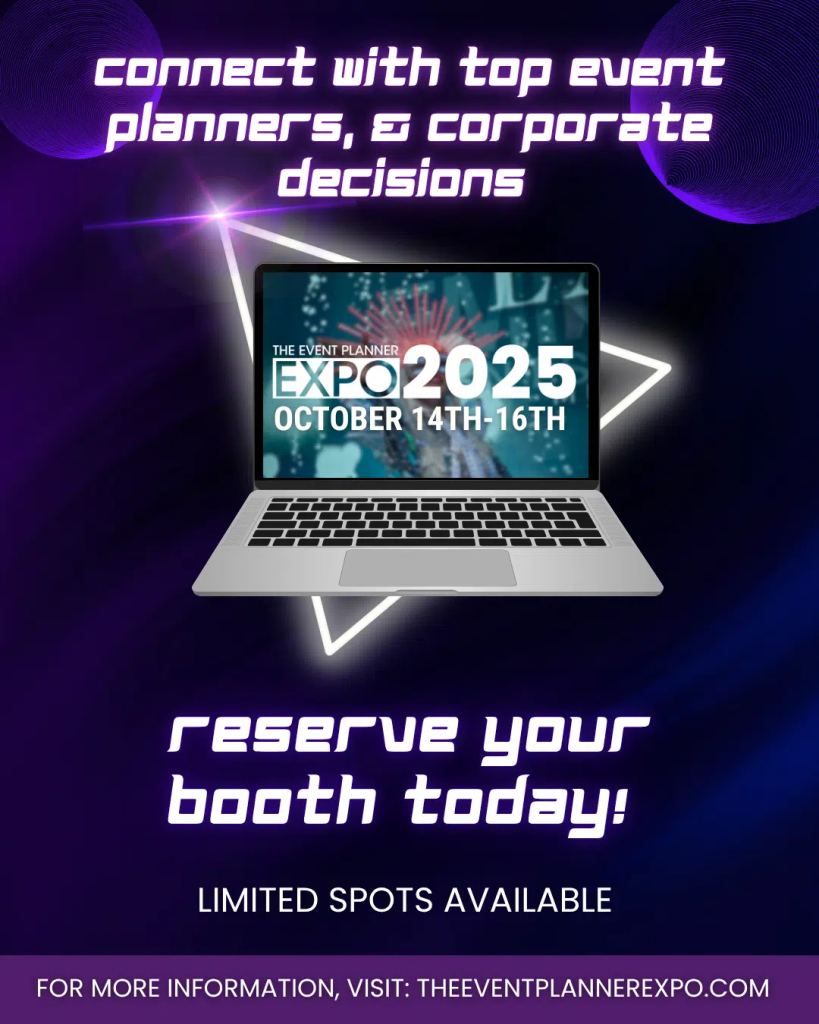
This isn’t about being everywhere. It’s about being in the right place. The Event Planner Expo brings together planners, producers, and partners who are actively building what’s next.
Reserve your booth and make sure your brand is part of the future they’re creating.