You know how to create an unforgettable experience for event attendees, but are you creating a compelling brand for your potential clients? The two processes are more similar than you think. Just as you’d research an event’s attendees to tailor the experience, you must research your potential clients to tailor your business offerings. This is the core of defining a target audience for an event management company. It involves moving beyond basic demographics to understand your clients’ goals, challenges, and values. This deep understanding enables you to craft marketing messages that connect on a personal level and position your services as the indispensable solution they’ve been searching for.
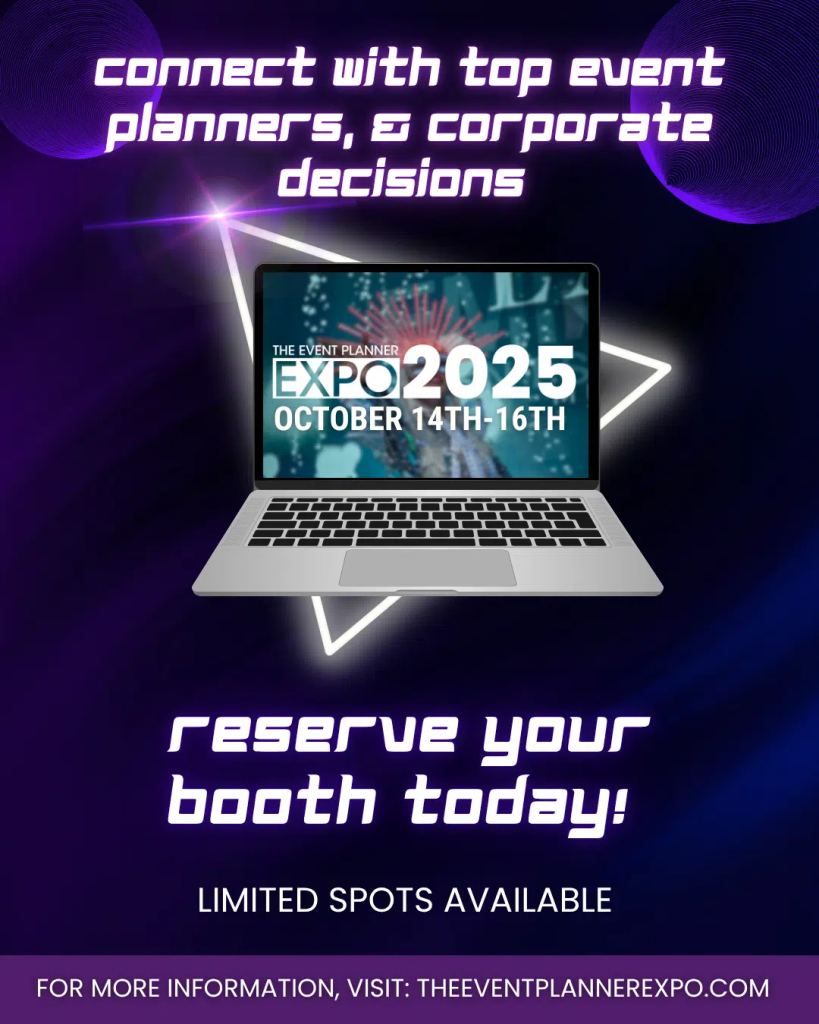
If your ideal audience includes corporate planners, marketers, and event decision-makers, exhibit at The Event Planner Expo to meet them face to face.
Key Takeaways
- Focus your marketing by choosing a niche: Stop trying to be the planner for everyone. When you concentrate on a specific type of client, your message becomes clearer and more powerful, attracting the people who are the best fit for your business.
- Go beyond demographics to truly know your client: A job title and location don’t tell the whole story. Dig into your audience’s goals, challenges, and values to understand what truly motivates them, allowing you to build stronger relationships and design more impactful events.
- Turn insights into action and stay adaptable: Your audience research is only useful if you apply it. Use what you learn to create tailored content and personalized outreach, and remember to regularly revisit your client profile to keep up with their evolving needs.
What Is a Target Audience for Event Planners?
As an event planner, you’re used to thinking about the audience for your events. But what about the audience for your business? A target audience, in this case, is the specific group of people or companies most likely to hire you. These are the clients whose problems you are perfectly positioned to solve, whether you’re planning a corporate conference, a charity gala, or a milestone birthday party.
Understanding this group is the foundation of a strong event planning business. It allows you to focus your energy, marketing budget, and service offerings on attracting the right clients. Instead of casting a wide, expensive net and hoping for the best, you can speak directly to the people who need you most. This clarity helps you make smarter business decisions, from the content you post on social media to the networking events you attend. At The Event Planner Expo, you’ll connect with thousands of top-tier exhibitors and professionals, making it the perfect place to find and engage with your ideal clients.
Why You Need a Defined Audience
Identifying your target audience is one of the most important steps you can take for your business. When you know exactly who you’re trying to reach, you can tailor your marketing, messaging, and even your service packages to meet their specific needs. This focused approach makes your marketing efforts far more effective because your message resonates on a deeper level. You’re no longer just another event planner; you’re the only planner who truly understands their vision and challenges.
This clarity builds trust and creates stronger client relationships from the very first interaction. When potential clients feel that you “get” them, they’re more likely to inquire, book your services, and become loyal advocates for your brand. It also helps you stand out in a crowded market. By becoming the go-to expert for a particular type of client or event, you build a powerful reputation that attracts your ideal customers organically.
The Problem with Targeting Everyone
It’s tempting to want to be the event planner for everyone. You don’t want to turn away business, right? But trying to appeal to everybody often means you end up appealing to nobody. A generic message gets lost in the noise because it doesn’t speak directly to anyone’s specific needs. As a result, your marketing becomes less effective, and you may find yourself attracting clients who aren’t the right fit for your skills or business model.
Furthermore, it’s a common mistake to rely only on basic demographics like age or location. While that information is a good starting point, it doesn’t tell you the whole story. To truly connect, you need to understand your audience’s goals, pain points, and values. Focusing on a niche allows you to become an expert in that area, streamline your processes, and ultimately deliver a better service that keeps ideal clients coming back. You can reserve your spot at NYC’s premier event industry gathering to learn high-level strategies from industry leaders.
Who Should You Target?
Once you understand the why behind defining your audience, the next step is to decide who you want to serve. The event industry is vast, and your ideal client could be anyone from a Fortune 500 marketing director to a bride-to-be. Focusing on a specific group allows you to become an expert in their world, speak their language, and design events that truly resonate. Let’s look at a few key client categories you might consider.
Corporate Clients and Large Companies
Working with corporate clients means planning conferences, product launches, team-building retreats, and holiday parties. These events are often large-scale, have significant budgets, and are crucial for a company’s brand and culture. To succeed here, you’ll need to connect with the right people. It is essential to target event planners, HR managers, and marketing teams within these organizations to effectively reach this audience. These are the corporate decision-makers who have the authority and budget to hire you. This niche requires a high level of professionalism, strategic thinking, and the ability to deliver measurable results.
Non-Profits and Charities
Non-profit organizations and charities rely on events to raise money, attract donors, and spread awareness for their cause. This sector is all about mission-driven work, and your events need to reflect that. Nonprofit organizations and charities frequently hold fundraising events and galas. Your key contacts will likely be development directors and fundraising managers. While budgets can be tighter, the work is incredibly rewarding. Success in this area comes from your ability to create an emotional connection between attendees and the organization’s mission, inspiring generosity and long-term support.
Social Events and Private Clients
If you love bringing personal celebrations to life, this is the niche for you. This includes weddings, milestone birthdays, anniversaries, and family reunions. Building your business here is all about personal relationships and trust. Understanding your ideal attendee profile is crucial for identifying the most effective promotion channels. Knowing your client’s vision inside and out allows you to tailor your marketing strategies to meet their specific needs. Your ability to listen, empathize, and manage family dynamics will be just as important as your logistical skills.
Niche Industry Segments
You can also build a reputation by specializing in a particular industry, like tech, fashion, finance, or healthcare. Each field has its own culture, trends, and event needs. For example, a tech conference is very different from a fashion week show. A clear customer profile is vital for effective targeting, especially if you work with clients in diverse sectors. By focusing on specific industries, you can develop deep expertise, build a strong network of relevant vendors, and become the go-to planner for companies in that space.
How to Identify Your Ideal Audience
Before you can design an unforgettable event, you need to know exactly who you’re designing it for. A clearly defined target audience is the foundation of every successful event strategy, from your marketing messages to the on-site experience. When you try to appeal to everyone, you often end up connecting with no one. Focusing your efforts on a specific group allows you to create deeply resonant experiences that turn attendees into advocates and clients into long-term partners. These steps will help you pinpoint your ideal audience.
Analyze Your Current Clients
Start by looking at the clients you already have. Think about your most successful events and your favorite projects to work on. Who were those clients? Make a list and look for common threads. Note their industry, company size, event goals, and budget. But don’t stop at the basics; demographic data alone isn’t enough. Consider their values and communication style. What challenges were they facing that you helped solve? Creating a detailed client persona based on your best past clients gives you a crystal-clear picture of who you should be targeting next. This exercise helps you attract more of the clients you love working with.
Conduct Market Research
Once you have a handle on your current client base, it’s time to look at the broader market. Understanding who your audience is allows you to create a more relevant and engaging experience for them. You can gather this information through online surveys, one-on-one interviews with potential clients, or by hosting small focus groups. Ask about their biggest event-planning pain points, what they look for in a planner, and what trends they’re seeing in their industry. Attending industry conferences like The Event Planner Expo is another fantastic way to get a pulse on the market and hear directly from potential clients.
Use Social Media Insights
Your social media channels are a goldmine of audience data. Platforms like LinkedIn and Instagram have powerful analytics tools that show you the demographics and professional details of the people engaging with your content. Pay attention to who is following you, liking your posts, and asking questions. You can also use social media for “social listening.” Join industry-specific groups on LinkedIn or Facebook and observe the conversations. What problems are people trying to solve? What are they asking for recommendations on? This gives you direct insight into the needs of your potential clients and helps you tailor your content to their interests.
Study Your Competitors
Take a look at what other event planners in your space are doing. Who are they targeting? Review their websites, social media presence, and the types of events they feature in their portfolios. The goal here isn’t to copy their strategy but to identify opportunities. You might find an underserved niche or a specific type of client that other planners are overlooking. Knowing your ideal attendee profile will help you identify the most effective promotion channels to reach them. A simple competitor analysis can reveal gaps in the market, allowing you to position your services as the perfect solution for a specific audience.
Common Roadblocks When Defining Your Audience
Defining your target audience sounds straightforward, but it’s rarely a simple task. Even seasoned event professionals run into challenges that can make this process feel like hitting a moving target. You might struggle to narrow your focus, feel pressured to be everything to everyone, or find that old methods no longer work. Recognizing these roadblocks is the first step to overcoming them. Let’s walk through the most common hurdles and how you can get past them.
Juggling Diverse Client Needs
If you’ve been in the business for a while, you might have a wide-ranging portfolio. One day you’re planning a corporate gala, the next a tech product launch. This can make it difficult to find a common thread. As one expert notes, identifying the right audience can be tricky if you have a “rich portfolio of products and services with no clear customer profile to speak of.” Instead of trying to create one ideal client profile that fits everyone, consider segmenting your audience. You can create different profiles for each of your core services, allowing you to tailor your marketing without sacrificing the diversity of your business.
Balancing Local and Global Reach
Are you aiming to be the go-to planner in your city, or are you building a brand with an international footprint? This is a critical decision that impacts everything from your marketing budget to your service offerings. It’s important to determine whether you want to attract an international audience or “focus on a local market due to logistical or resource limitations.” There’s no right or wrong answer, but you need to be realistic about your capacity. Trying to do both without a clear strategy can stretch your resources thin and dilute your brand’s impact. Decide which path aligns with your business goals and commit to it.
Keeping Up with New Expectations
The event industry is constantly changing. What wowed clients five years ago might feel dated today. One of the biggest challenges for event marketers is simply “keeping up with our target audience expectations.” From sustainability initiatives to immersive tech experiences, client demands are always evolving. This means your audience research can’t be a one-and-done task. You have to continuously listen, adapt, and innovate. Staying informed by attending industry conferences and learning from top speakers is a great way to stay ahead of trends and understand what modern clients are looking for in their events.
Moving Beyond Basic Demographics
Knowing your ideal client’s age, location, and job title is a good start, but it’s not the whole story. As industry guides point out, “demographic data alone isn’t enough to effectively target your audience.” To truly connect with potential clients, you need to dig deeper into their psychographics—their values, challenges, goals, and motivations. Why are they hosting an event in the first place? What does success look like for them? Understanding their underlying needs will help you craft marketing messages and event concepts that resonate on a much more personal and compelling level, turning potential leads into loyal clients.
The Benefits of Targeting a Specific Audience
Defining your target audience isn’t about limiting your potential; it’s about focusing your energy for maximum impact. When you know exactly who you’re serving, every decision, from the marketing campaigns you run to the services you offer, becomes sharper and more intentional. This clarity is what transforms your business from just another option into the perfect solution for the right clients.
Create More Effective Marketing
When you try to speak to everyone, you often end up connecting with no one. A clearly defined audience allows you to cut through the noise with a message that truly resonates. Knowing who your audience is helps you tailor your content, marketing strategies, and overall event experience to meet their specific needs and preferences. Instead of casting a wide, expensive net, you can focus your budget on the channels where your ideal clients are already active. Your website copy, social media posts, and email campaigns will speak directly to their goals and challenges, attracting qualified leads who are genuinely excited to work with you.
Build Stronger Client Relationships
A deep understanding of your target audience is the foundation for incredible client relationships. When you specialize in a certain type of client or event, you learn their world inside and out. You understand their industry, anticipate their needs, and can offer solutions they haven’t even thought of yet. This builds a powerful sense of trust and partnership. When clients feel that you truly “get” them and their vision, they are more engaged and confident in your abilities. This connection is what turns one-time clients into loyal advocates who refer you to their networks, creating the kind of organic growth every business owner dreams of.
Streamline Your Services and Pricing
Clarity about your audience brings clarity to your business model. Instead of offering a confusing menu of services to please everyone, you can develop specialized packages that perfectly address your ideal client’s needs. This positions you as an expert and allows you to refine your processes, making your operations more efficient. It also simplifies your pricing strategy. You can confidently set prices that reflect the specialized value you provide, moving away from competing on cost and toward competing on expertise. This focus not only makes your business more profitable but also makes your work more fulfilling as you become the go-to planner for your chosen niche industry segments.
Helpful Tools for Audience Research
Once you have an idea of who you want to reach, it’s time to confirm your assumptions and dig a little deeper. Guesswork can only get you so far; solid data is what will help you make strategic decisions. The right tools can help you gather concrete information about your audience’s needs, preferences, and pain points, ensuring your event planning services hit the mark every single time. Think of these tools as your research toolkit—each one helps you uncover a different layer of insight.
Survey and Feedback Platforms
Sometimes, the most direct way to understand what people want is simply to ask them. Platforms like SurveyMonkey and Google Forms make it incredibly easy to create and distribute surveys to your potential or current clients. You can ask specific questions about their event needs, budget expectations, biggest challenges, and what they value most in an event planner. This direct feedback is invaluable for tailoring your services and marketing messages. Keep your surveys short, focused, and easy to complete to encourage more responses. The goal is to gather actionable insights that will help you better serve your ideal client.
Social Media Analytics
Your audience is already talking online—you just have to listen. Social media platforms are a goldmine of information. Use the built-in analytics on Instagram, Facebook, and LinkedIn to see which of your posts get the most engagement. This tells you what topics resonate with your followers. Look beyond your own profile, too. What hashtags are your ideal clients using? Which industry leaders do they follow? What questions are they asking in relevant groups? This kind of social listening gives you a candid look into their world, helping you understand their interests and needs on a more personal level.
Market Research Reports
While direct feedback is crucial, you also need to understand the bigger picture. Market research reports and industry studies give you a high-level view of trends and preferences within your target sector. These reports can reveal what your potential clients are looking for in events, what their spending habits are, and what new technologies are shaping their industries. This information helps you anticipate their needs and position your services ahead of the curve. You can often find these reports through industry associations or market research firms, and they are essential for making informed, strategic decisions about your business direction.
Client Interviews and Focus Groups
For a truly deep understanding of your audience, nothing beats a real conversation. Conducting one-on-one interviews with past or potential clients allows you to ask follow-up questions and explore their motivations in a way a survey can’t. You can also organize small focus groups to facilitate a discussion and gather a range of perspectives at once. This qualitative feedback provides rich, detailed insights into their experiences and expectations. These conversations don’t just give you data; they help you build relationships and show clients that you genuinely care about meeting their needs.
How to Engage Your Target Audience
Once you’ve identified your ideal client, the next step is to connect with them in a way that feels genuine and compelling. Effective engagement isn’t about shouting your message from the rooftops; it’s about starting a conversation. It’s about showing your audience that you understand their specific needs and can deliver an experience that exceeds their expectations. By focusing on tailored communication and valuable content, you can turn potential clients into loyal partners. Here’s how to make those crucial connections.
Tailor Your Marketing Messages
Your marketing should feel like it was written specifically for your target client. Knowing who your audience is helps you tailor your content, marketing strategies, and overall event experience to meet their needs. If you’re targeting corporate event planners, your messaging should be professional, focusing on ROI, seamless execution, and brand enhancement. For a bride-to-be, the tone should be more personal and emotional, highlighting dream fulfillment and stress-free planning. Use the language they use, address their biggest worries, and frame your services as the perfect solution to their unique challenges. This shows you’ve done your homework and truly understand their world.
Create Audience-Specific Content
Content is your opportunity to demonstrate your expertise and build trust before a client ever signs a contract. Create blog posts, social media updates, or case studies that address the specific questions and interests of your target audience. When attendees feel that an event speaks directly to their experiences, they’re more likely to engage. For example, if you target tech startups, write about planning innovative product launches. If you work with non-profits, create content around maximizing fundraising at galas. This approach not only attracts the right clients but also positions you as a go-to expert in your niche, making it an easy choice for them to learn more about your services.
Choose the Right Communication Channels
You can have the perfect message, but it won’t matter if it never reaches your audience. Instead of trying to be everywhere at once, focus your energy on the platforms where your ideal clients are most active. Corporate clients and B2B decision-makers are likely scrolling through LinkedIn, while clients planning social events might be finding inspiration on Instagram or Pinterest. Social media platforms also allow for direct communication and networking, helping you build a community around your brand. By meeting your audience where they are, you can invest your time and resources more effectively and build stronger, more direct lines of communication.
Personalize Your Outreach
In a world of automated messages, a personal touch goes a long way. To make sure you are reaching the most potential customers, it’s important to narrow your focus on specific demographics and personalize your approach. Instead of sending a generic “Dear Client” email, use their name and reference a specific detail you know about their company or event needs. Did their company just win an award? Congratulate them. Are they planning their annual conference? Mention a speaker or venue you think they’d love. This level of personalization shows you see them as more than just a lead; you see them as a potential partner. It’s this attention to detail that helps you stand out and build lasting business relationships.
Avoid These Common Targeting Mistakes
Defining your target audience isn’t a one-and-done task—it’s an ongoing process of refinement. Even seasoned event planners can fall into common traps that dilute their marketing efforts and make it harder to connect with the right clients. Steering clear of these mistakes will help you build a stronger brand and attract business that truly aligns with your expertise.
Don’t Rely Only on Demographics
It’s easy to start with demographics like age, location, and job title, but this data only scratches the surface. While helpful, demographic data alone isn’t enough to effectively target your audience. People are more than just statistics; they have unique motivations, challenges, and values that influence their decisions.
Think about it: two corporate marketing directors in New York City might look identical on paper, but one may be focused on planning high-tech, immersive product launches while the other needs to organize sustainable, mission-driven fundraisers. To truly connect, you need to understand their specific goals and pain points, much like how our diverse lineup of keynote speakers addresses a wide range of professional interests.
Don’t Ignore Client Feedback
Your current and past clients are your single greatest source of insight. They chose you for a reason, and understanding that reason is key to finding more people just like them. If you’re not actively asking for feedback, you’re missing a huge opportunity to refine your audience profile and improve your services.
Make it a habit to solicit feedback after every event. You can use simple surveys, polls, or just pick up the phone for a direct conversation. Ask them what they valued most about working with you and what they thought about your process. This information helps you understand what’s working and what isn’t, allowing you to double down on your strengths. Listening to your clients shows that you value their partnership and are committed to growth, which is the foundation of a lasting professional relationship.
Test Your Messaging
Once you have a clearer picture of who your audience is and what they care about, you need to make sure your marketing messages are hitting the mark. The goal is to make potential clients feel like you’re speaking directly to their experiences and challenges. When they feel understood, they are far more likely to engage with your brand and trust you with their events.
You don’t need a massive budget to test your messaging. Start small by A/B testing different email subject lines to see what gets a better open rate. Try out different ad copy on social media or vary the calls-to-action on your website. Pay attention to which posts get the most engagement and which services get the most inquiries. These small experiments will provide valuable clues about the language and offers that resonate most with your ideal clients.
Keep Your Audience Profile Updated
The events industry is always changing, and so are your clients’ needs and expectations. The target audience you defined last year might not be the same one you should be targeting today. This is especially true if your business serves a wide range of industries or has a diverse portfolio of services. Your audience profile should be a living document, not a static file collecting dust.
Staying on top of these shifts ensures your marketing remains relevant and effective. It’s the same reason we constantly update our roster of world-class exhibitors—to reflect the latest innovations and meet the evolving needs of the industry. See which event industry brands are exhibiting this year to get a firsthand look at the technologies shaping the future of our field.
Related Articles
- How to Leverage Social Media to Attract High-End Event Clients – The Event Planner Expo
- Audience Engagement Re-imagined for Event Professionals – The Event Planner Expo
- Event Planning Business Growth: Proven Strategies for Success | The Event Planner Expo
- attendee engagement – The Event Planner Expo
- Event Planner Cost Savings: How to Cut Event Expenses | The Event Planner Expo
Frequently Asked Questions
I’m new to event planning. Won’t defining a niche limit my opportunities?
It’s a common fear, but think of it this way: focusing your efforts doesn’t close doors, it opens the right ones. When you try to market to everyone, your message becomes generic and gets lost. By defining your ideal client, you can create marketing that speaks directly to their specific problems and goals. This makes you the obvious choice for them, leading to more qualified inquiries and better projects, rather than wasting time on clients who aren’t a good fit.
My current clients are all over the place. How do I create a single ‘ideal client’ from that?
You might not need to create just one. If you have a diverse portfolio, look for patterns beyond the type of event. Instead of focusing on “corporate” vs. “social,” think about the common goals or values your best clients shared. Perhaps your sweet spot is working with clients who have complex logistical needs or those who want to create a high-end, luxury experience. You can create two or three core client profiles that represent the different types of work you excel at and enjoy most.
You mention going beyond demographics. What does that actually mean in practice?
Demographics tell you who your client is on paper—their job title, age, or location. But that doesn’t tell you why they would hire you. To go deeper, you need to understand their motivations and challenges. For example, instead of just targeting “marketing directors,” target “marketing directors at tech startups who are overwhelmed by planning product launches and need to prove ROI to their investors.” This deeper understanding allows you to frame your services as the exact solution to their specific problem.
How often should I be re-evaluating my target audience?
Your audience profile shouldn’t be set in stone. A great rule of thumb is to do a strategic review at least once a year. The event industry changes quickly, and your clients’ needs will evolve with it. You should also revisit your profile anytime you notice a major shift in your business, such as an increase in requests for a new type of service or if you find your marketing isn’t connecting the way it used to. It’s an ongoing process of listening and adapting.
What if I choose a niche and it doesn’t work out?
That’s not a failure; it’s market research. Choosing a niche is a strategic decision, not a lifelong commitment. If you find that a particular audience isn’t profitable, isn’t enjoyable to work with, or simply isn’t a good fit for your skills, you can pivot. The experience will give you valuable data about what does and doesn’t work for your business, allowing you to make an even more informed decision for your next move.
Your Booth Is the New Client Magnet: Flip the Switch & Watch the Right Planners Run to You!
You’ve just unlocked the exact strategy that turns “hoping for good clients” into “they’re actively looking for me.” Niche down, speak their language, solve their real problems — and suddenly your inbox fills with dream projects instead of tire-kickers.
But here’s the multiplier: instead of waiting for them to find you online, put your brand where those exact planners are already walking, comparing options, and making shortlists — right on the Expo floor.
You already know your service delivers. The question is whether the right planners know it yet. The Event Planner Expo gives you direct access to decision-makers who are actively sourcing partners.
Reserve your booth and turn visibility into booked business.