Corporate event planners are facing a shift that goes beyond flashy new gadgets. The technology powering conferences, product launches, and internal summits has matured. In 2026, the question is no longer “Should we use event tech?” It is “Which technology actually moves the needle for our business goals?”
The global events industry is on track to reach $2.5 trillion in revenue by 2035, according to Cvent’s 2026 industry report. That growth is being fueled by corporate teams who demand more from their events: better attendee engagement, clearer ROI data, and tighter integration with the tools they already use. This article breaks down the technology trends that matter most to corporate planners right now, and explains how to put them to work.
Why Corporate Planners Need a Different Technology Playbook
If you plan events for a corporation, your technology requirements look nothing like those of a freelance wedding planner or a small nonprofit organizing a gala. Corporate events carry stakeholder expectations, compliance requirements, and budget scrutiny that demand a different approach to selecting and deploying event tech.
Consider the typical corporate event planning cycle. A product launch for a Fortune 500 company involves IT security reviews, procurement approvals, CRM integrations, and post-event reporting to the C-suite. A sales kickoff for 2,000 employees needs to sync with the company’s learning management system and HR platforms. These are the realities that shape which technology trends actually matter for corporate planners.
The difference comes down to three factors: scale of accountability, integration complexity, and the pressure to prove ROI. General event tech articles often skip these. Here, we address them head-on.
AI-Powered Event Operations That Go Beyond Hype
AI was the buzzword of 2024 and 2025. In 2026, it has settled into something more useful: a practical tool embedded in workflows rather than a standalone novelty.
For corporate planners, the most impactful AI applications are operational. Think session scheduling algorithms that optimize room assignments based on predicted attendance. Think chatbots that answer attendee questions about parking, Wi-Fi passwords, and session times without pulling your team away from higher-priority tasks. Think AI-generated post-event reports that summarize session engagement data in minutes instead of days.
According to Expo Pass’s 2026 event tech report, AI is now rated “high-impact” after years of being classified as merely “buzzworthy.” The shift happened because planners stopped asking AI to replace their judgment and started using it to handle repetitive operational work.
Specific AI tools that corporate planners are adopting include:
- Attendance forecasting models that analyze registration patterns and historical data to predict no-show rates, helping you right-size catering, seating, and AV setups
- Lead scoring and enrichment for trade shows and corporate expos, where AI matches attendee profiles against your company’s ideal customer data
- Session recommendation engines that personalize the attendee agenda based on their job title, past session behavior, and stated interests
- Automated content summaries that generate recap emails and session highlights within hours of event completion
The key for corporate teams is choosing AI features that integrate with existing enterprise software. A standalone AI tool that generates beautiful reports is useless if those reports can’t feed into Salesforce, HubSpot, or your company’s business intelligence dashboards.
Data-Driven ROI Measurement Is Now Table Stakes
For years, corporate event teams relied on attendance numbers and satisfaction surveys to justify their budgets. That era is ending. In 2026, executives expect event ROI to be measured with the same rigor as any other marketing channel.
The Cvent 2026 State of Events report found that only 40% of organizers plan to increase event volume this year, down from 66% the previous year. The implication is clear: corporate teams are being asked to do more with fewer events, and every event needs to prove its value.
Modern event platforms now track metrics that go far beyond headcounts:
- Session engagement depth, measured by time spent, questions asked, and content downloaded during each session
- Networking quality scores based on meeting duration, follow-up actions, and contact exchanges
- Sponsor attribution that tracks which sponsor interactions led to pipeline conversations
- Post-event conversion tracking that connects attendee interactions to closed deals, sometimes months after the event
The platforms making the biggest impact in this space, including Cvent, Bizzabo, and Swoogo, are building direct integrations with CRM and marketing automation systems. That means a corporate planner can show the CFO exactly how many qualified leads came from the annual user conference and what those leads are worth in pipeline value.
How Are Smart Badges and Wearables Changing the On-Site Experience?
Smart badges and wearable event technology have moved past the experimental phase. For corporate events with 500 or more attendees, they are becoming core infrastructure.
A smart badge does what a paper name tag never could: it tracks session attendance automatically, enables contactless lead capture at exhibitor booths, supports cashless payments at on-site vendors, and feeds real-time data back to the event platform. For corporate planners, this means no more manual badge scanning, no more lost lead sheets, and no more guessing which sessions actually drew engaged audiences.
The 2026 event technology landscape shows 87% of event organizers rating networking as a top priority for attendees, according to industry benchmarking data. Smart badges support that goal by enabling proximity-based connection suggestions: when two attendees with complementary interests are in the same room, the badge or companion app can prompt an introduction.
Corporate planners should evaluate smart badge vendors on these criteria:
- Data ownership: Who controls the attendee data collected by the badge? Corporate legal teams will want clear answers here.
- Integration capability: Does the badge system feed data into your event platform, or does it create another data silo?
- Privacy compliance: Does the system meet GDPR, SOC 2, and your company’s internal data handling policies?
- Battery life and reliability: A dead badge mid-event is worse than a paper name tag.
Hybrid Event Platforms That Actually Work for Corporate Teams
Hybrid events are no longer a pandemic-era experiment. They are a permanent part of the corporate event strategy, especially for companies with distributed workforces and global teams.
But corporate planners have learned the hard way that “hybrid” does not mean “stick a camera in the room and stream it.” The platforms gaining traction in 2026 treat remote and in-person audiences as equally important, with dedicated experiences for each group rather than forcing remote attendees to watch a shaky livestream.
What sets the best hybrid platforms apart for corporate use:
- Parallel engagement tracks that give remote attendees their own interactive sessions, polls, and networking rooms instead of a passive viewing experience
- Unified analytics that report on both audiences in a single dashboard, so you can compare engagement, satisfaction, and conversion across in-person and virtual attendees
- Enterprise single sign-on (SSO) integration, so employees can access the virtual event with their corporate credentials without creating separate accounts
- Recording and on-demand access for different time zones, with AI-generated chapter markers and searchable transcripts
The corporate planner’s challenge with hybrid is budget justification. Running a high-quality hybrid event costs more than a single-format event. The argument that works with leadership: hybrid events extend the reach of every dollar spent on speakers, content, and production by making that investment accessible to audiences who could not attend in person.
What Should Corporate Planners Know About Event Data Privacy?
Event technology collects more attendee data than ever before, and corporate planners are on the hook for how that data is handled. This is a trend that most event tech articles ignore, but it is one of the biggest concerns for corporate legal and IT teams.
When you deploy a smart badge system, a networking app, or an AI-powered engagement tool, you are collecting personal information: names, job titles, email addresses, location data, session attendance, and sometimes biometric data like facial recognition for check-in.
Corporate planners need to address these data privacy considerations before selecting any event technology vendor:
- Data processing agreements: Does the vendor have a DPA that meets your company’s requirements and applicable regulations (GDPR for European attendees, CCPA for California residents)?
- Data residency: Where is attendee data stored? Some enterprises require data to remain within specific geographic boundaries.
- Attendee consent mechanisms: How does the platform collect and document consent for data collection, especially for location tracking and networking features?
- Data retention and deletion: What happens to attendee data after the event? Can you set automatic deletion schedules aligned with your company’s data retention policies?
- Third-party sharing: Does the vendor share data with sponsors, exhibitors, or other third parties? If so, is that disclosed to attendees?
The best practice for corporate teams is to include your IT security and legal departments in the event technology procurement process. A platform that checks every feature box but fails a security audit is not a viable option.
Personalization at Scale: Moving Beyond “Dear First Name”
Attendee expectations have been shaped by Netflix, Spotify, and Amazon. People expect personalized experiences, and corporate events are no exception.
In 2026, the event technology trends driving personalization go well beyond putting someone’s name on a badge. Intent-based personalization uses registration data, past event behavior, and stated goals to create customized event journeys for each attendee.
Here is what that looks like in practice for corporate events:
- A first-time attendee at a sales conference receives a curated agenda highlighting introductory sessions, a networking group for new attendees, and a personal welcome from the event host
- A returning VIP attendee sees an agenda pre-populated with advanced sessions, exclusive executive roundtables, and meeting slots with key speakers based on their profile
- An exhibitor evaluating event sponsorship receives data-driven recommendations about which sessions to attend and which attendees match their target customer profile
The technology enabling this includes platforms like Bizzabo, Cvent, and RainFocus, which use attendee data to build dynamic experiences. For corporate planners, the challenge is balancing personalization with privacy: using attendee data to improve their experience without crossing the line into surveillance.
How to Build a Business Case for Event Technology Investment
Knowing the trends is only half the job. Corporate planners also need to sell technology investments to leadership, procurement, and finance teams who want hard numbers before approving any new platform.
Here is a framework that works for building an event technology business case:
- Define the problem in business terms. “We need a better event app” is not a business case. “We lose 30% of qualified leads because our current lead capture process relies on paper forms that take 2 weeks to digitize” is a business case.
- Quantify the cost of inaction. Calculate what your team spends on manual processes that technology could automate. Include staff hours, missed follow-up windows, and the revenue impact of delayed lead handoffs.
- Map technology features to business outcomes. AI session recommendations improve attendee satisfaction, which drives repeat attendance. Smart badges capture leads in real time, which shortens the sales cycle. Tie each feature to a metric your CFO cares about.
- Request a pilot, not a full commitment. Propose testing the technology at one event before rolling it out company-wide. This reduces risk and gives you real data to support a larger investment.
- Include integration requirements upfront. If the platform needs to connect to Salesforce, Marketo, or your company’s SSO provider, build those costs into the business case from the start. Hidden integration costs are the number one reason event tech projects go over budget.
Corporate planners who present technology investments this way get approvals faster because they are speaking the language of the people who control the budget.
Sustainability Technology Is Becoming a Corporate Requirement
Sustainability in events has shifted from a nice-to-have marketing angle to a corporate mandate. Many Fortune 500 companies now require their event teams to track and report the carbon footprint of every event as part of broader ESG (Environmental, Social, and Governance) commitments.
The technology supporting this shift includes:
- Carbon footprint calculators built into event management platforms that estimate emissions from travel, venue energy use, catering waste, and printed materials
- Digital-first event materials that replace printed agendas, handouts, and signage with mobile apps and digital displays
- Waste tracking dashboards that monitor catering waste, single-use plastics, and recycling rates in real time
- Sustainable vendor matching that helps corporate planners find venues, caterers, and suppliers with verified sustainability certifications
For corporate planners, the ability to generate a sustainability report alongside your event ROI report is becoming a competitive advantage. It demonstrates that your events align with corporate values, and it gives leadership teams concrete data for their ESG disclosures.
Frequently Asked Questions
What are the top event technology trends for corporate planners in 2026?
The top trends include operational AI for workflow automation, data-driven ROI measurement, smart badges and wearables for on-site engagement, hybrid event platforms with enterprise integration, intent-based personalization, event data privacy tools, and sustainability tracking technology. The focus in 2026 has shifted from adopting new tools to proving measurable business outcomes from event technology investments.
How do corporate planners measure event technology ROI?
Corporate planners measure event tech ROI by tracking metrics beyond attendance: session engagement depth, networking quality scores, sponsor attribution, and post-event conversion rates. Modern platforms integrate directly with CRM systems like Salesforce to connect attendee interactions with pipeline value and closed revenue. The most effective approach ties each technology feature to a specific business outcome that leadership cares about.
What data privacy concerns should corporate event planners address?
Corporate planners should evaluate event technology vendors on data processing agreements, data residency requirements, attendee consent mechanisms, data retention policies, and third-party sharing practices. Involving IT security and legal teams in the procurement process is a best practice, especially for events collecting location data, biometric information, or personal details from attendees in GDPR or CCPA jurisdictions.
Are hybrid events still relevant for corporate teams in 2026?
Yes. Hybrid events have become a permanent fixture for corporations with distributed workforces. The difference in 2026 is that successful hybrid events use platforms that create dedicated experiences for remote attendees rather than passive livestreams. Enterprise features like SSO integration, unified analytics across both audiences, and AI-generated transcripts make hybrid events more practical and measurable for corporate teams.
How can corporate planners justify event technology spending to leadership?
Build a business case by defining the problem in financial terms, quantifying the cost of current manual processes, mapping technology features to specific business outcomes, and proposing a pilot event to generate proof-of-concept data. Including integration costs upfront and speaking in metrics that finance teams care about (pipeline value, cost per lead, time savings) increases approval rates.
Putting It All Together
The event technology landscape in 2026 rewards corporate planners who think like strategists, not early adopters. The trends that matter most, from AI-powered operations to data-driven ROI measurement to smart on-site experiences, share one thing in common: they solve real business problems and integrate with the systems your company already uses.
Start with the technology that addresses your biggest operational pain point. Build a business case around measurable outcomes. Involve IT and legal early. And measure everything.
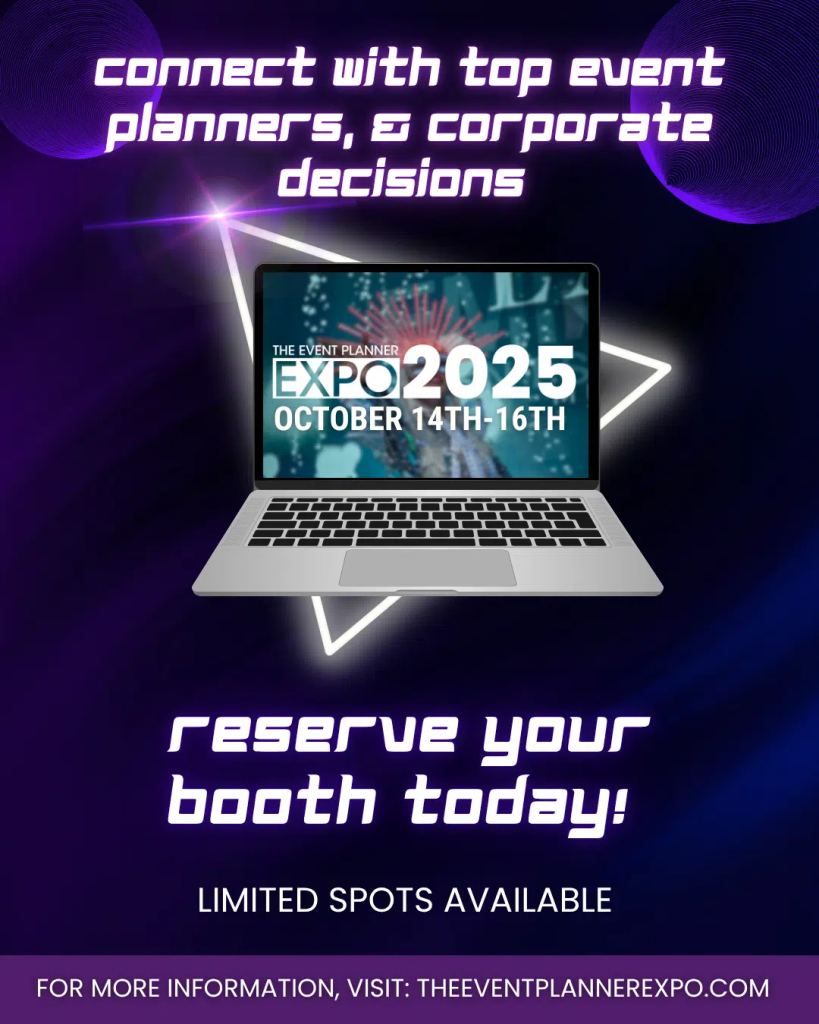
See the full schedule for The Event Planner Expo 2026 and discover sessions on the latest event technology, networking, and corporate planning strategies.
If you’re serious about staying sharp in this industry, you don’t sit on the sidelines. You get in the room. The Event Planner Expo is where NYC planners trade ideas, pressure-test trends, and walk away with strategies they can actually use.
Get your tickets and experience what the next year of events is really shaping up to look like.
Explore the NYC event industry trends resource for a broader look at the shifts shaping events across New York City.