Why Event Promotion Is the Difference Between a Full Room and Empty Seats
You could plan the most incredible event in the world, but if nobody knows about it, none of it matters. Knowing how to promote an event effectively is just as important as planning it. The best event professionals understand that promotion is not an afterthought; it is a core part of the planning process that starts months before doors open.
According to industry research, event organizers who start promotion at least 12 weeks before their event see 40% higher registration rates than those who begin in the final month. The difference between a sold-out event and an embarrassingly empty room almost always comes down to the quality and consistency of your promotional strategy.
Whether you are organizing a corporate conference, trade show, product launch, or networking mixer, these 15 proven event promotion strategies will help you drive attendance, build buzz, and fill every seat. We use many of these tactics ourselves to promote The Event Planner Expo, and they work.
1. Build a Dedicated Event Landing Page
Your event needs a central hub where all roads lead. A well-designed event landing page should include the date, location, speaker lineup, agenda highlights, and a clear call-to-action for registration. Optimize the page for search engines by including your target keywords like “how to promote an event” and related terms like “event marketing strategies” in your headings and meta description.
Make sure the page loads fast, works on mobile, and features social proof such as testimonials from past attendees or logos of past sponsors and exhibitors. At The Event Planner Expo, we keep our landing pages updated with speaker announcements, exhibitor lists, and schedule details to give potential attendees every reason to register.
2. Start Email Marketing Early and Often
Email remains one of the highest-ROI channels for event promotion. Build a segmented email list and start your campaign at least 8 to 12 weeks before the event. Your email sequence should include:
- Save-the-date announcement with early-bird pricing
- Speaker and agenda reveals to build excitement
- Social proof emails highlighting past attendee testimonials
- Urgency-driven messages as the event date approaches
- Last-chance reminders in the final week
Personalize subject lines and segment by attendee type. Corporate planners respond to different messaging than independent event professionals. A/B test your subject lines, and track open rates and click-throughs to refine your approach with each send.
3. Leverage Social Media Across Every Platform
Social media event marketing is non-negotiable. But “be on social media” is not a strategy. You need a platform-specific approach:
- LinkedIn: Ideal for B2B events, corporate conferences, and trade shows. Share speaker spotlights, industry insights, and behind-the-scenes content. Tag speakers and sponsors to expand reach.
- Instagram: Use Reels and Stories for visual teasers, countdown stickers, and attendee-generated content from past events. Carousel posts work well for agenda highlights.
- Facebook: Create an event page and use it as a discussion hub. Facebook Events still drive significant organic reach when attendees RSVP and share.
- TikTok: Short-form video content showing event prep, venue walkthroughs, and speaker teasers can go viral. The algorithm favors authentic, energetic content.
- X (Twitter): Create a branded hashtag and use it consistently. Live-tweet during announcements and engage in industry conversations.
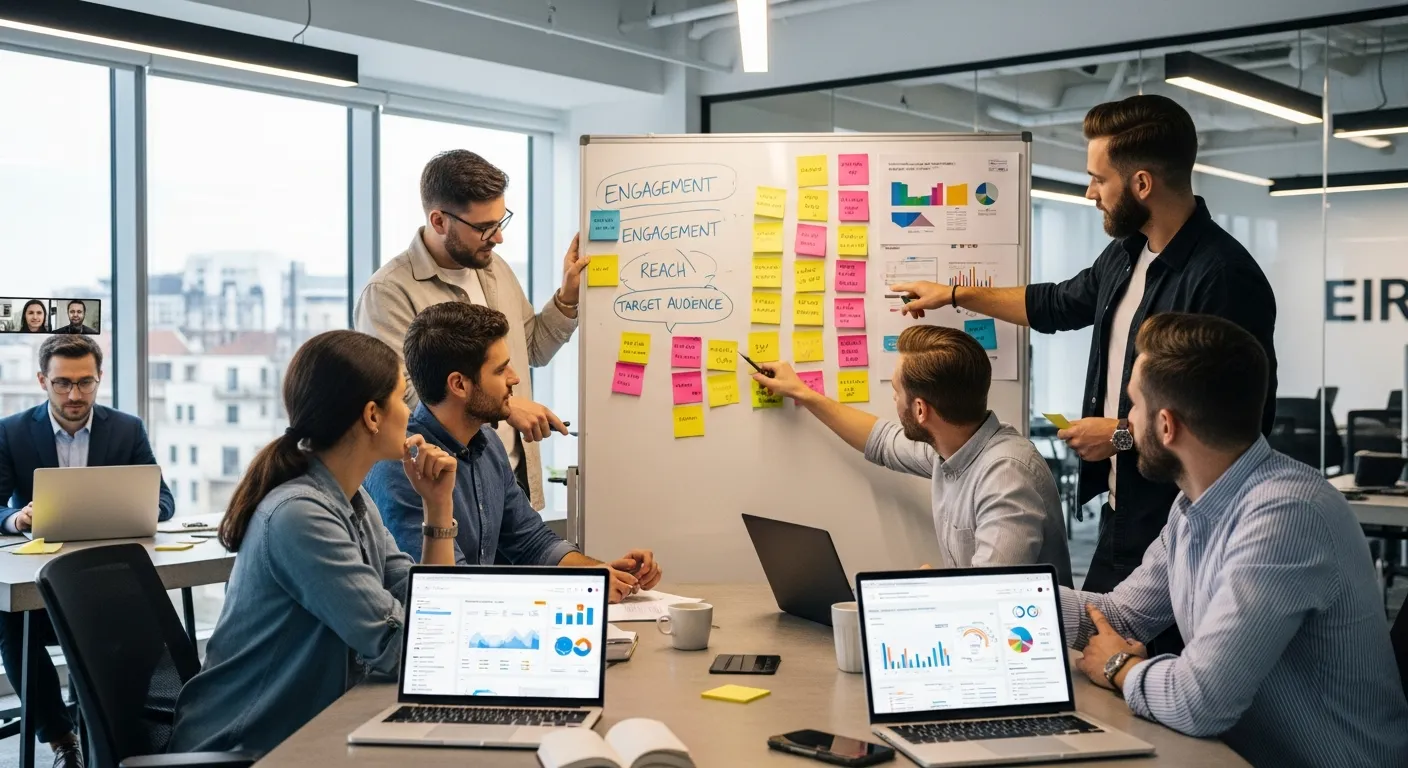
Create a content calendar that ramps up posting frequency as the event approaches. The goal is to make your event feel inevitable.
4. Create an Early-Bird Pricing Strategy
Nothing drives early registrations like a genuine deadline. Offer tiered pricing with clear cutoff dates:
- Super early-bird: 30 to 40% discount, available 4 to 6 months out
- Early-bird: 20% discount, ending 2 months before the event
- Standard pricing: Full price in the final weeks
Promote each pricing tier transition as an event in itself. Send dedicated emails, post countdown graphics on social media, and create urgency with “last day” messaging. Early registrations also give you valuable data for planning and help build social proof when you can announce attendance milestones.
5. Partner With Industry Influencers and Thought Leaders
Influencer partnerships can dramatically expand your event’s reach. Identify influencers in your industry who align with your event’s theme and audience. This does not always mean mega-influencers; micro-influencers with 5,000 to 50,000 engaged followers in your niche often deliver better ROI.
Offer them complimentary VIP access, speaking opportunities, or affiliate commission on ticket sales. When influencers share your event with their audience, it comes with built-in trust and credibility. At past editions of The Event Planner Expo, speakers like Daymond John, Gary Vaynerchuk, and Mel Robbins have amplified reach simply through their personal brands and social channels.
6. Invest in Paid Digital Advertising
Organic reach has limits. A targeted paid advertising strategy accelerates your event marketing efforts and puts your event in front of people who may never discover it organically:
- Google Ads: Target high-intent keywords like “event planning conferences” and “event marketing conferences 2026.” Use search ads for bottom-funnel traffic and display ads for awareness. Google’s Event schema markup can also make your paid listings more prominent with date, location, and ticket information.
- Meta Ads (Facebook/Instagram): Use lookalike audiences based on past attendees and retarget website visitors who did not complete registration. Video ads showing highlights from previous events tend to outperform static images.
- LinkedIn Ads: Sponsored content and InMail campaigns targeting specific job titles, industries, and company sizes are highly effective for B2B events. The cost per click is higher, but the lead quality justifies the premium.
- Retargeting: Set up pixel-based retargeting across all platforms. Someone who visited your event page but did not register should see your ads everywhere for the next 30 days.
Start with a test budget, measure cost-per-registration, and scale what works. Allocate 20 to 30% of your total event marketing budget to paid channels. Track each channel separately so you know exactly where your registrations are coming from and can optimize spend accordingly.
7. Activate Your Sponsors and Exhibitors as Promoters
Your sponsors and exhibitors have their own audiences that overlap with yours. Make it easy for them to promote the event by providing:
- Pre-written social media posts and email copy
- Branded graphics with their logo and your event branding
- Unique discount codes they can share with their networks
- Co-branded landing pages for their audience
The more you invest in making promotion turnkey for your partners, the more they will share. This cross-promotion strategy multiplies your reach without increasing your ad spend. Track which partners drive the most registrations so you can recognize and incentivize top performers.
8. Launch a Content Marketing Campaign
Content marketing builds authority and drives organic traffic to your event. Start publishing content related to your event’s themes 3 to 6 months in advance:
- Blog posts targeting keywords your audience searches for
- Guest articles on industry publications
- Video content featuring speaker interviews and event previews
- Podcasts with guest appearances discussing event topics
- Infographics with industry statistics and trends
Each piece of content should include a natural call-to-action leading readers back to your event registration page. This strategy compounds over time, building organic search visibility that pays dividends beyond a single event cycle.
9. Use PR and Media Outreach
Earned media coverage gives your event third-party credibility that money cannot buy. When a respected industry publication writes about your event, it carries more weight than any ad campaign. Build a PR strategy that includes:
- Press releases for major announcements (keynote speakers, partnerships, milestone registrations)
- Media partnerships with industry publications for event coverage
- Reporter outreach to journalists covering your industry
- HARO (Help a Reporter Out) responses that position your event as a source of expertise
- Podcast appearances on shows your target audience listens to
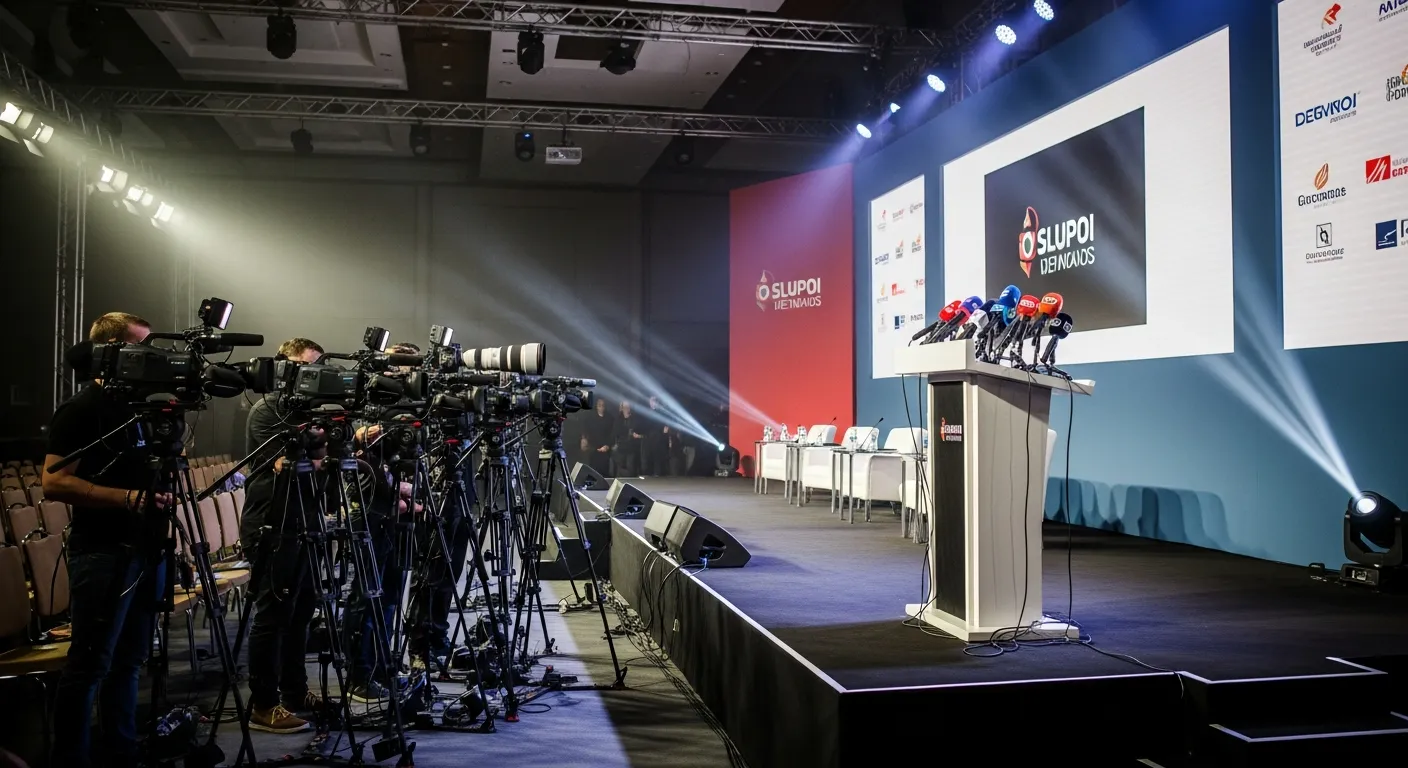
Pitch unique angles, not just “our event is happening.” What makes your event newsworthy? Is there a first-of-its-kind session? A major industry trend being addressed? A keynote speaker making a rare appearance? Lead with the story, not the sales pitch.
Timing matters for PR. Send press releases at least 6 weeks before the event to give publications time to include your event in their editorial calendars. Follow up with additional pitches as you announce new speakers, sponsors, or programming highlights.
10. Create a Referral and Ambassador Program
Turn your most enthusiastic attendees into promoters with a structured referral program. People trust recommendations from peers more than any advertisement, and a referral program puts structure around that trust. Offer incentives such as:
- Discounted or free tickets for referring a certain number of registrations
- VIP upgrades for top referrers
- Exclusive access to speaker meet-and-greets or networking events
- Recognition on event materials and social channels
- Early access to next year’s super early-bird pricing
Make sharing easy with unique referral links and pre-written messages. Track referrals in your registration platform so you can reward top ambassadors. Word-of-mouth remains the most trusted form of marketing, and a well-executed referral program can account for 15 to 25% of total registrations for established events.
11. Optimize for Local SEO and Event Listings
If your event has a physical location, local SEO matters. Claim and optimize your Google Business Profile with event details. List your event on every relevant platform:
- Eventbrite
- Meetup
- Facebook Events
- Industry-specific event directories
- Local business and tourism websites
- Chamber of Commerce calendars
For a New York City event like The Event Planner Expo 2026, being listed on NYC event directories, tourism sites, and LinkedIn Events puts your event in front of local professionals who are actively looking for industry gatherings.
12. Host Pre-Event Webinars and Live Sessions
Give potential attendees a taste of what to expect by hosting free pre-event content. A 30-minute webinar featuring one of your speakers on a hot industry topic serves multiple purposes:
- Captures email addresses of interested prospects
- Demonstrates the quality of your event content
- Creates urgency with a “want more? attend the full event” close
- Generates shareable video content for social media
- Positions your event as a thought leadership hub in your industry
LinkedIn Live, Instagram Live, and YouTube Premieres all work well for this. Record everything and repurpose it as promotional content across channels. A single 30-minute webinar can generate a dozen social media clips, email content, blog material, and paid ad creative. This is one of the most efficient ways to learn how to promote an event while simultaneously building your content library.
13. Send Direct Mail and Physical Invitations
In a world of overflowing inboxes, physical mail stands out. For high-value prospects such as C-suite executives and enterprise decision-makers, a well-designed physical invitation or event brochure can cut through the digital noise.
This strategy works best for premium events with a targeted guest list. Include a QR code linking directly to registration, a personalized note, and a clear value proposition. The cost per piece is higher, but the response rate for the right audience justifies the investment.
14. Build Community Before the Event
Do not wait until event day to create connections among attendees. Building an engaged community in advance is one of the most underrated strategies for learning how to promote an event effectively. When people feel invested in a community, they become organic promoters. Build that community through:
- Private LinkedIn or Facebook groups for registered attendees
- Slack or Discord channels for real-time discussion
- Event app with networking features, attendee profiles, and session voting
- Interactive polls and Q&A that let attendees shape the agenda
When attendees feel connected before the event, they are more likely to show up, engage actively, and promote the event to their own networks. Community-driven events also have significantly higher return attendance rates.
15. Offer a Virtual Attendance Option
Hybrid events expand your addressable audience beyond geographic limitations. Promoting a virtual attendance option removes the biggest barrier to attendance: travel cost and logistics.
Use the virtual ticket as an entry point. Many virtual attendees convert to in-person the following year once they experience the content quality. Price virtual tickets lower than in-person to capture the widest possible audience, and make sure the virtual experience includes interactive elements like live Q&A, networking rooms, and on-demand session replays.
Promoting your virtual option also gives you a secondary marketing angle. You can run separate ad campaigns, email sequences, and social media content targeting people who cannot travel but still want access to your speakers and programming. This dual-track approach to event promotion maximizes your total addressable audience without cannibalizing in-person attendance.
Your Event Promotion Timeline
Effective event promotion follows a timeline. Here is a framework that works:
- 6 months out: Launch landing page, open super early-bird registration, begin content marketing
- 4 months out: Announce keynote speakers, activate influencer partnerships, start email campaigns
- 3 months out: Launch paid advertising, activate sponsor cross-promotion, begin PR outreach
- 2 months out: Close early-bird pricing, ramp social media posting, launch referral program
- 1 month out: Send urgency-driven emails, host pre-event webinars, amplify retargeting
- Final week: Last-chance promotions, logistics emails, social media countdown
Frequently Asked Questions About Event Promotion
How far in advance should you start promoting an event?
Start promotion at least 12 weeks before the event for maximum impact. Launch your event page and super early-bird pricing 6 months out. Begin email campaigns and social media 8 to 12 weeks before. Ramp up paid advertising and PR outreach 3 months out. The final month should be all urgency and last-chance messaging.
What is the most effective way to promote an event on social media?
Use a platform-specific strategy. LinkedIn works best for B2B and corporate events, Instagram for visual storytelling and Reels, Facebook for event pages and community engagement, and TikTok for viral short-form content. Create a branded hashtag, post consistently with increasing frequency, and leverage your speakers and sponsors to amplify reach.
How do you promote an event with a limited budget?
Focus on high-ROI, low-cost channels: email marketing (nearly free with existing lists), social media organic content, sponsor and exhibitor cross-promotion, referral programs, and community building. Partner with industry influencers for complimentary access instead of paid sponsorships. List your event on free platforms like Eventbrite, Meetup, and Facebook Events.
Start Promoting Your Next Event Today
The most successful events are not the ones with the biggest budgets. They are the ones with the smartest, most consistent promotion strategies. Now that you know how to promote an event using these 15 proven tactics, from email marketing and social media event marketing to influencer partnerships and local SEO, you have a complete playbook to create a promotional engine that builds momentum and drives attendance.
The key is starting early, being consistent, and measuring everything. No single strategy will fill your venue. The compounding effect of running all 15 simultaneously is what separates events that sell out from events that struggle to fill seats.
Ready to see these strategies in action? Register for The Event Planner Expo 2026, October 27-29 in New York City, and experience firsthand how the #1 event and marketing conference for event professionals executes every one of these tactics. Learn more about the Expo or explore opportunities to exhibit and sponsor.