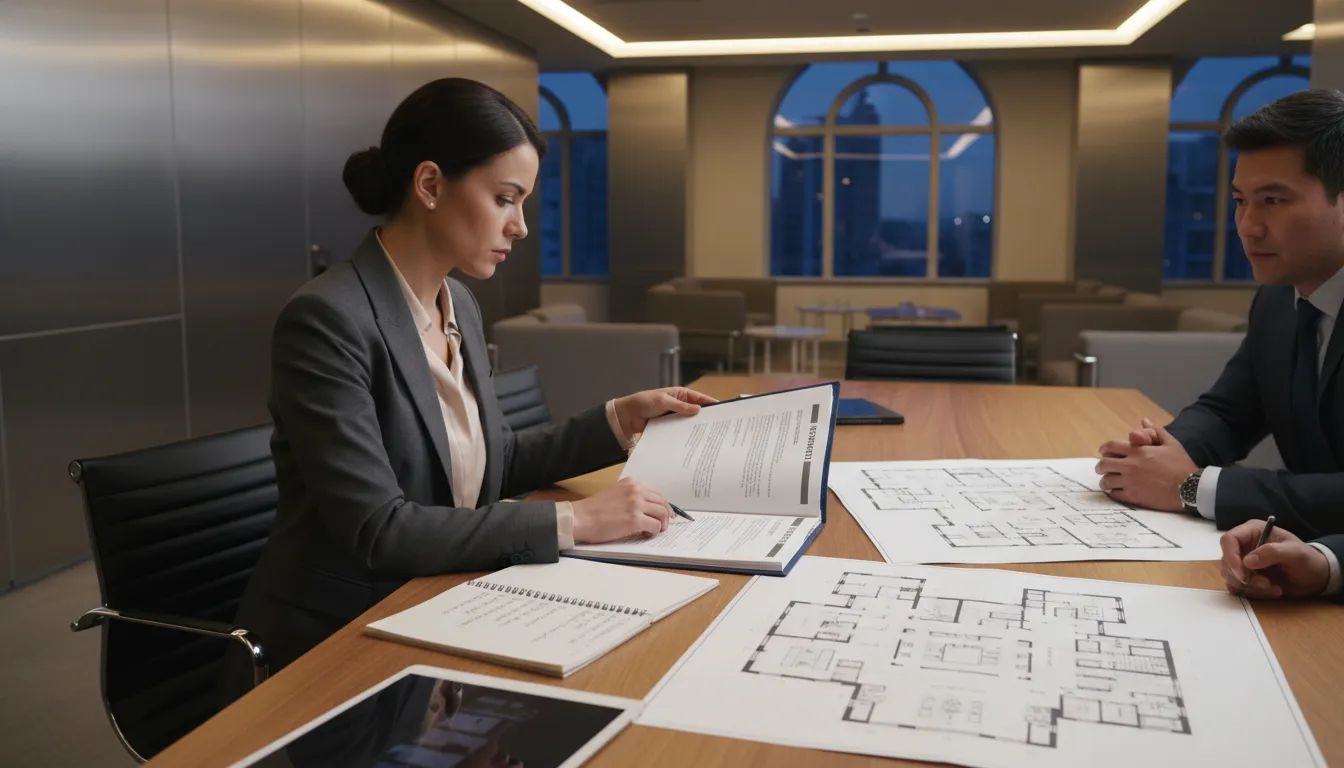
A favorable venue rate can still hide six figures of exposure in the contract. Strong planners negotiate risk, operating control, and total cost before they debate concessions.
Event venue contract negotiation is the structured process of aligning price, responsibilities, protections, and operating terms with the event’s business goals. It starts by defining firm requirements and acceptable tradeoffs, then reviewing every cost, deadline, service commitment, cancellation term, attrition clause, and force majeure provision. Because a contract is legally binding, Cornell advises planners not to sign until they can meet every term and have secured the needed funding. Effective negotiation also puts every promise in writing, assigns risk fairly, and preserves flexibility when attendance, production needs, or business priorities change. The strongest final agreement gives the planner clear decision points for accepting, revising, escalating, or walking away before unfavorable terms threaten event ROI.
The question is not whether a venue will negotiate, but which terms create enough value and protection to justify signing. In the next section, Event venue contract negotiation starts before the proposal, because your best leverage comes from preparation. Here’s how.
Event venue contract negotiation starts before the proposal
Strong event venue contract negotiation begins before a venue sends its proposal. A clear brief gives the planning team leverage, keeps reviews focused, and makes tradeoffs easier to defend.
Start by defining the event format, guest count, date range, room flow, production needs, food service, accessibility, security, and load-in plan. Use a venue requirements checklist to turn broad needs into items venues can price and confirm.
Must-haves and tradeable terms
Rank each requirement as must-have, preferred, or tradeable. Must-haves protect event delivery, while tradeable items create room to exchange value without weakening the guest experience. For each tradeable, set a limit before talks begin.
Ask practical questions before outreach. Can the date shift, or can one room serve two uses? Is upgraded Wi-Fi worth more than a lower rental fee? Answers show where the venue can solve a need and where your team can offer flexibility.
Total proposal value
A low base rental can hide higher costs for labor, power, internet, service charges, overtime, equipment, or required vendors. Compare proposals in one worksheet with the same assumptions, line items, taxes, and contract terms. This keeps the discussion focused on total value, not one headline price.
Review what each proposal includes, excludes, caps, or leaves open. Then ask which terms reduce risk, save staff time, or protect the attendee experience. Princeton University’s guidance for event contract review calls for careful review of key hotel and event contract terms.
Stakeholders and approval authority
Bring finance, legal, procurement, production, security, and the event owner into the brief before proposals arrive. Each stakeholder should flag risks, required language, and spending limits early, not during the final review.
Name one lead negotiator and state who may approve concessions, added costs, and the final agreement. A simple approval map prevents mixed messages to the venue. It also stops informal promises from becoming assumed commitments.
Before outreach, ask: Who can say yes? Who must review changes? What issue would make the team walk away? With those answers, corporate planners can negotiate from a shared position instead of reacting to every proposal.
Which dates, deposits, and cancellation terms matter most?
In short: Confirm every reserved date and space, each payment trigger, refundability, cancellation schedule, attrition formula, rebooking credit, and disruption remedy. The best terms connect money owed to clear milestones and documented performance, while preserving practical options if attendance, timing, or circumstances change.
Financial terms decide when the venue becomes a firm commitment and how much money remains at risk. During event venue contract negotiation, map every deadline against approval dates, sponsor commitments, and vendor bookings.
Dates, holds, and payment triggers
Confirm whether the space hold is tentative or firm. The contract should state when the hold expires, what converts it into a booking, and whether another buyer can challenge it. Match the event date, setup access, teardown time, and backup date across every attachment.
List each deposit, due date, and payment trigger. Ask whether deposits are refundable, credited to the final bill, or retained after cancellation. Assign an owner for every deadline.
| Contract point | What to confirm |
|---|---|
| Space hold | Expiry date and challenge process |
| Deposit | Amount, due date, refund status, and credit treatment |
| Payment schedule | Exact dates, amounts, triggers, and accepted methods |
| Cancellation | Fee schedule tied to cancellation dates |
| Attrition | Commitment, measurement method, allowance, and remedy |
| Disruption | Defined events, notice steps, rescheduling rights, and refunds |
Cancellation, attrition, and disruption
Cancellation ends the booking. Attrition addresses a shortfall against a promised room, food, beverage, or attendance commitment. Ask how each fee is calculated, when it changes, and whether the venue must reduce losses through another booking.
Force majeure language should define covered events, notice duties, and the result when performance becomes impossible. Also negotiate a rescheduling path for partial disruption. Address transferred deposits, new dates, changed scope, unavailable rooms, and deadlines for using credits.
Review before commitment
Read the agreement, exhibits, proposals, and booking forms as one package. Confirm every negotiated change appears in the final written version. This guide supports planning decisions, not legal advice. Have qualified counsel review unfamiliar terms, large commitments, and clauses that shift broad risk to your organization.
How do you uncover the venue’s true total cost?
In short: Build an all-in model using the same assumptions for every venue. Include rental, food and beverage minimums, service charges, taxes, labor, overtime, internet, power, equipment, security, required vendors, and likely change costs. Negotiate from total value, not the headline rental rate.
Build one all-in cost model
A quoted rental fee is only the starting point. Build one cost model that shows every required charge under the same attendance, schedule, and service assumptions. Include food and beverage minimums, room rental, taxes, service charges, administrative fees, labor, and overtime. This gives your event venue contract negotiation a clear financial baseline.
Separate fixed costs from costs that change with guest count, event hours, or consumption. Then test a likely scenario and a high-cost scenario. This step shows which contract terms create the most risk. Use your venue requirements checklist to catch services that may sit outside the first proposal.
Ask what each charge includes
Request a written, itemized estimate before comparing venues. Ask whether the food and beverage minimum is before tax and service charges. Confirm whether an administrative fee pays staff or stays with the venue. Also ask which purchases count toward the minimum, including hosted bars, coffee breaks, and upgraded menus.
Review production and operating costs with the same care. Ask about required in-house AV, internet fees, power, rigging, loading access, parking, security, coat check, cleaning, and permits. Confirm labor minimums, union rules, meal penalties, and overtime triggers. A detailed list of questions to ask before booking can keep the review focused.
- Which fees are mandatory, and which depend on services we select?
- Can you show taxes and percentage-based fees as separate line items?
- What rates apply before, during, and after the contracted event hours?
- Which outside vendors are allowed, and what fees apply to them?
- What expenses can change after signing, and how are increases approved?
Turn flexible terms into written value
Price is not the only source of savings. A venue may protect the budget through waived room rental, lower minimums, capped labor rates, or included equipment. Other useful terms include free setup time, parking credits, flexible menu choices, and a later attendance deadline. Ask the venue to price each option so you can compare its value.
Do not rely on a verbal promise or a revised estimate alone. Add each approved concession, cap, inclusion, and rate to the contract or an attached exhibit. Cornell advises event organizers to put agreements in writing because verbal offers may sometimes be binding. Its contract negotiation guidance also warns against signing before all terms can be met.
Finally, ask for a sample final invoice from a similar event, with private details removed. Compare that invoice with your model and flag any charge you did not predict. If the venue cannot explain a fee or cap a changing rate, treat that uncertainty as part of the total cost.
Operational clauses can make or break event day

Access, timing, and physical limits
Operational clauses turn a promising floor plan into a workable event plan. During event venue contract negotiation, define load-in, setup, show, strike, and load-out windows in writing. Name the areas included in each window, from the ballroom to the loading dock.
List dock hours, truck limits, freight elevator size, elevator access, and required reservations. Confirm where crews may stage cases and store empty crates. Your venue requirements checklist should also cover storage fees, overnight access, approved signage, and removal deadlines.
Ask the venue to attach floor plans and operating rules to the agreement. Note ceiling heights, rigging points, floor-load limits, door widths, and paths between docks and event spaces. If a rule changes after signing, the contract should state who approves the change and pays added costs.
Labor, vendors, and technical services
Exclusive service rules can reshape both the budget and production plan. Identify every required provider for catering, audiovisual work, power, internet, rigging, security, cleaning, and coat check. For each service, request rates, minimums, overtime rules, taxes, fees, and cancellation terms.
- Define union labor requirements, minimum calls, breaks, overtime triggers, and crew ratios.
- State who may connect power, hang equipment, operate lifts, and approve rigging plans.
- Set sound limits, testing hours, curfews, and the process for handling noise complaints.
- List required security posts, credentials, bag checks, and emergency access routes.
Do not rely on a sales conversation to settle these points. Cornell advises putting event contract agreements in writing because verbal offers may sometimes be binding. Use that guidance to document each approved exception, service credit, and rate in the signed agreement or an attached addendum. See Cornell’s contract negotiation guidance before final review.
Clear ownership on event day
A useful agreement names the people who can solve problems while crews are on site. Include the venue’s event lead, building engineer, security supervisor, dock manager, and after-hours contact. Add response paths for power loss, late access, blocked docks, equipment issues, and schedule changes.
Match each venue contact with a planner or production lead who can approve decisions. Set spending limits and require written approval before the venue adds labor, equipment, or service charges. This keeps a fast fix from becoming an unplanned invoice.
Review the final language against the actual event schedule and production plan, not a standard venue template. Princeton’s event contract review guidance stresses careful review and full understanding before signing. A precise operations addendum gives both teams one source of truth when event day pressure rises.
What protections should corporate planners request?
In short: Request clear insurance duties, mutual responsibility language, notice deadlines, change control, service commitments, and remedies for disruption or nonperformance. Define who decides what during an emergency and what happens to deposits, fees, and rescheduling rights. Ask qualified counsel to review legal language.
Insurance and responsibility
Strong protections assign each risk before the event begins. They set clear duties, proof requirements, deadlines, and remedies when a party cannot perform. During event venue contract negotiation, ask the venue to explain each protection in plain language and revise any vague terms.
Start with insurance requirements for the venue, planner, vendors, and any high-risk activity. State the required policy types, coverage limits, certificate deadlines, and rules for additional insured parties. Also define who handles claims, property damage, injuries, and losses caused by each party.
- Request current certificates of insurance before deposits become nonrefundable.
- Confirm whether outside vendors need separate coverage.
- Review indemnification language for scope, limits, and mutual obligations.
- State who pays deductibles, defense costs, and uncovered losses.
Indemnification and liability terms can shift major financial risk. They should match the event, each party’s control, and the organization’s insurance program. This is not legal advice, so involve counsel and risk leaders when terms affect liability or coverage.
Failure and emergency safeguards
Operational protections should cover events that disrupt the guest experience or stop the program. Address severe weather, power loss, internet failure, equipment breakdown, security incidents, and inaccessible spaces. For each event, define notice duties, decision authority, backup options, and available remedies.
Use a venue requirements checklist to connect contract terms with site conditions. The agreement should name backup rooms, shelter areas, alternate entrances, and replacement technology. It should also state whether those backups are included or carry added fees.
- Attach the venue’s emergency and evacuation plan.
- Set weather decision deadlines and rescheduling options.
- Require backup power, internet, and audiovisual support where needed.
- Document accessible routes, restrooms, seating, stages, and communication support.
Ask an accessibility expert to review duties when the program or site creates complex access needs. Include the venue’s promised features and each party’s tasks in writing. This keeps access planning tied to delivery rather than treated as a late request.
Change control and expert review
Changes after signing need a clear approval path. Require written change orders that show the request, cost, schedule effect, and authorized approver. This matters because Cornell advises organizations to put event contract agreements in writing rather than rely on verbal offers.
Set rules for room swaps, reduced services, vendor substitutions, construction, and schedule changes. Define when the planner may reject a change, seek a credit, or end the agreement. Keep approved changes with the main contract so teams work from one record.
Before signing, route the full agreement and attachments through the right experts. Legal counsel should review unfamiliar or high-impact terms. Risk leaders should test insurance and emergency duties, while accessibility experts should confirm that promised access measures fit the event.
A pre-signing checklist for corporate planners
A final contract review turns event venue contract negotiation into a clear approval decision. Use one shared checklist, assign an owner to each open item, and record every change. The goal is not simply a lower price. It is a workable agreement that protects the event, the company, and its guests.
Commercial and approval review
Confirm that the full event budget can support the agreement before anyone signs. A venue contract is legally binding. Cornell University advises planners not to sign until all terms can be met and funding is secured. Then complete this sequence with finance, legal, procurement, operations, and the event owner.
- Verify the commercial summary. Match rental, food and beverage minimums, service charges, taxes, deposits, payment dates, and overtime rates against the approved budget. List every optional fee and the event condition that would trigger it.
- Test the cancellation terms. Review cancellation dates, damages, deposit treatment, rescheduling rights, and any room-block attrition terms. Model the cost of canceling or reducing attendance at several points before the event.
- Confirm spaces and operating times. Name each room, access period, setup window, event hour, teardown deadline, and storage area. Attach the latest floor plan and schedule so the contract reflects the team’s operating plan.
- Document service responsibilities. State who supplies security, cleaning, power, internet, staging, furniture, catering, and waste removal. Confirm vendor access rules, loading procedures, union requirements, and the venue contact responsible for each handoff.
- Review risk allocation. Ask legal counsel to check indemnity, insurance, force majeure, liability limits, dispute terms, and data or privacy duties. Verify required certificates and notice dates with the company’s risk team.
- Check guest access and safety. Confirm step-free routes, accessible restrooms, seating options, emergency exits, evacuation duties, and accommodations for guests with hearing or vision needs. Record who will resolve access gaps before arrival.
- Secure final approvals and exhibits. Route the complete agreement through finance, legal, procurement, and the authorized signer. Include every amendment, proposal, diagram, menu, rate sheet, and service schedule in the final signed package.
Operational proof before signature
Do not rely on an attractive proposal or a strong site visit alone. Compare the agreement with your hotel and venue options, event brief, attendee forecast, production plan, and run of show. Every promised room, service, rate, and deadline should appear in the contract or an attached exhibit.
Run a short cross-team review before signature. Ask operations to test access times, production to confirm technical limits, and guest services to check arrival and accessibility plans. Open questions should have written answers, named owners, and due dates. If a key term remains vague, pause the signature process.
The final signature gate
Create a one-page decision record with the final cost, approved exceptions, remaining risks, and signer name. Keep it with the signed contract and all exhibits. Planners can also learn more about industry resources that support stronger vendor partnerships and better event decisions. This record gives the team one reliable reference during delivery.
Venue contract glossary: terms planners should know
Clear terms make event venue contract negotiation faster and reduce surprises after signing. Use this glossary to flag points for review, then ask questions before accepting the venue’s wording.
Commitment and cancellation terms
- Attrition: The amount by which a group may fall short of a room, attendance, or revenue commitment without owing added fees. Confirm how the venue measures the shortfall and when it calculates the charge.
- Cancellation schedule: A timeline that states what the client owes if the event is canceled. Charges often change as the event date gets closer, so note each deadline and its stated cost.
- Force majeure: A clause that addresses events outside either party’s control that prevent performance. Review the covered events, notice rules, refund terms, and whether postponement is an option.
A contract is legally binding, and Cornell’s contract guidance advises groups not to sign until they can meet all terms. Compare each commitment with the event budget, timeline, and attendance forecast.
Cost and vendor terms
- Service charge: A fee added to listed venue, catering, or event service costs. Ask what it covers, whether taxes apply, and whether staff gratuities are separate.
- Food and beverage minimum: The least amount the client agrees to spend on food and drinks. Confirm which purchases count and what happens if final spending falls short.
- Exclusive vendor: A supplier the venue requires for a service, such as catering, security, or production. Check pricing, scope, and any fee for bringing in another provider.
Match these terms against your venue requirements checklist. A low rental fee may not show the full event cost when minimums, service charges, and required vendors apply.
Risk and document terms
- Indemnification: Language that assigns responsibility for certain claims, losses, or legal costs. Counsel should review who is protected, which risks are covered, and whether the duties are balanced.
- Addendum: A document that adds to or changes the main agreement. It should clearly name the contract, state the new terms, and be signed by authorized parties.
- Change order: A written record of an approved change to scope, price, schedule, or service. Require clear costs and approval before the venue performs the added work.
Keep every agreed change in writing and store it with the signed contract. Princeton’s event contract guidance also stresses careful review and full understanding before signing.
This glossary explains common business meanings, not the legal effect of specific wording. Ask qualified counsel to interpret legal terms, resolve conflicts, and assess how each clause applies to your event.
Frequently Asked Questions
Is negotiating a venue contract actually possible?
Yes. Most venues can discuss pricing, concessions, access times, payment schedules, cancellation terms, and other contract details before both parties sign. Approach the conversation as a partnership, explain the event’s priorities, and offer flexibility where possible. Because a contract becomes legally binding, the Cornell event planning guide recommends signing only after every term is workable and funding is secured.
What should be included in an event venue contract?
An event venue contract should define dates, spaces, access hours, services, fees, taxes, deposits, payment deadlines, and each party’s responsibilities. It should also cover cancellation, force majeure, attrition, insurance, damages, outside vendors, overtime, and dispute procedures. List every negotiated concession and event requirement in writing. Cornell advises documenting all agreements because verbal offers can sometimes be legally binding.
How do you negotiate the best deal with an event venue?
Start with a written list of must-haves, preferred concessions, budget limits, and terms that can flex. Request an itemized proposal, then compare the total cost rather than only the rental rate. Ask about waived fees, included services, and adjusted payment dates. Offer value through flexible dates, repeat business, or realistic attendance commitments, while keeping every agreed change in the final contract.
When is the best time to negotiate a venue contract?
Begin negotiating after the venue confirms it can meet the event’s core requirements, but before paying a nonrefundable deposit or signing. Starting early creates time to compare proposals, clarify unclear language, and request revisions without deadline pressure. Negotiating during a venue’s lower-demand dates may create more flexibility, although availability and concessions vary. Keep alternate venues active until the final terms are acceptable.
When should planners walk away from unfavorable venue contract terms?
Planners should walk away when a venue will not revise terms that create unacceptable financial, legal, or operational risk. Warning signs include unclear fees, one-sided cancellation rights, unrealistic attrition requirements, missing service commitments, or restrictions that prevent essential event operations. If important language remains unclear, seek qualified legal advice before signing. A lower price does not offset terms that could jeopardize the event.
Ready to Strengthen Your Next Venue Negotiation?
Delaying contract preparation can leave your team reacting to unclear terms, rising costs, and missed opportunities to protect the event plan. Starting now gives you time to compare venue proposals, ask better questions, and align each commitment with your event goals. It also helps you approach the next negotiation as a professional partnership, with fewer surprises after the agreement is signed.
Ready to build sharper negotiation skills and stronger industry relationships before your next venue decision? Get tickets to The Event Planner Expo to learn from event industry experts and meet professionals who understand complex venue decisions. Book your place now, then bring practical ideas and useful connections back to your next contract discussion.