Why Conference Networking Separates Growing Event Businesses from Stagnant Ones
Most event professionals attend conferences, collect a stack of business cards, and never follow up. Three months later, they wonder why their pipeline looks the same. The problem is not a lack of opportunity. It is a lack of preparation, intentional conversation, and structured follow-through.
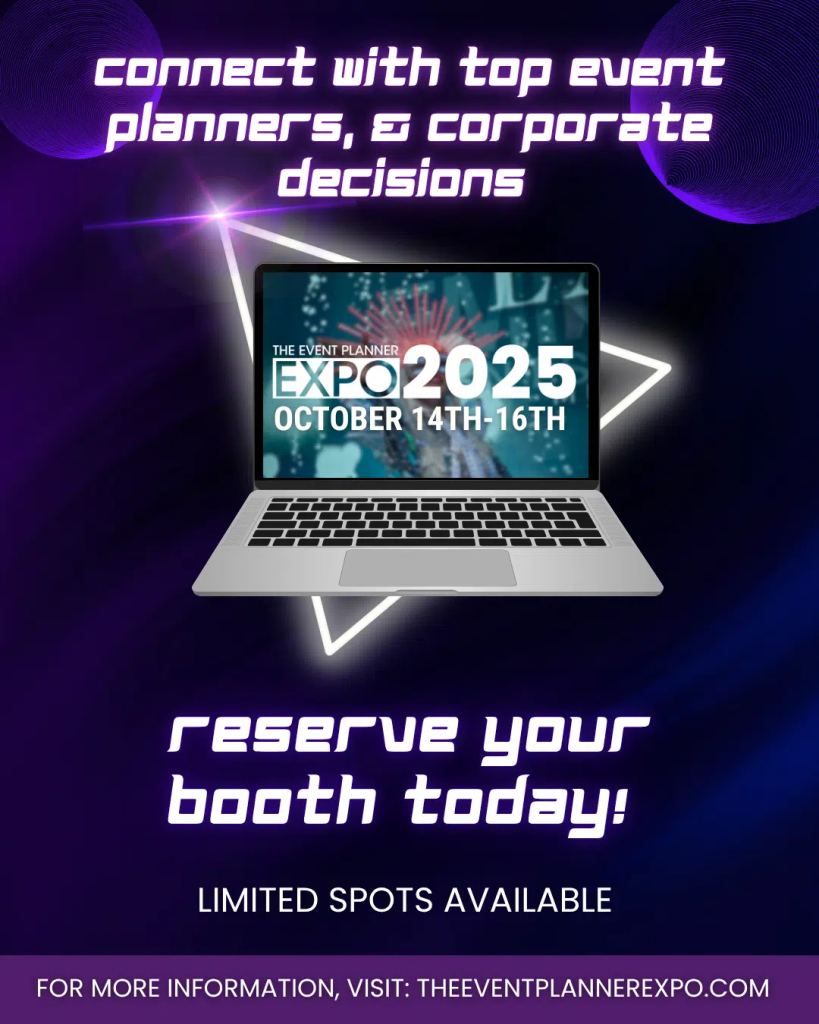
Discover how The Event Planner Expo connects you with 2,500+ industry professionals and 150+ exhibitors in NYC.
Conference networking, done right, generates referrals, vendor partnerships, and client relationships that pay off for years. Done poorly, it wastes your registration fee and three days of your time. Maximizing value starts before you arrive, and the same principle applies when you are the one organizing events. Following event registration best practices ensures your own conference captures every interested attendee. This guide covers what to do before, during, and after an event industry conference so every handshake turns into something real.
How to Prepare Before You Walk Through the Door
Effective conference networking starts weeks before the event. Showing up without a plan is the fastest way to leave empty-handed.
Research the attendee and exhibitor list. Most conferences publish speaker lineups, exhibitor directories, and sponsor lists ahead of time. Review them. Identify 10 to 15 people or companies you want to meet, then look them up on LinkedIn. Read their recent posts, note a project they completed, or find a shared connection. Walking up to someone and saying, “I saw your work on the Google product launch last quarter, how did you handle the vendor coordination?” is far more effective than, “So, what do you do?”
Set specific goals. “I want to network” is not a goal. “I want to meet three potential venue partners in the tri-state area” is a goal. “I want to connect with two corporate event managers who plan 20+ events a year” is a goal. Write down three to five specific outcomes you want from the conference. This focus prevents you from wandering the trade show floor without direction.
Update your digital presence. The people you meet will look you up within 24 hours. Make sure your LinkedIn headline reflects your current role, your website loads quickly, and your portfolio shows recent work. If you hand someone a card and they Google your company name only to find a broken site or outdated information, that connection dies before it starts.
Prepare your introduction. You will answer the question “What do you do?” dozens of times. Rehearse a 15-second answer that communicates who you serve, what problem you solve, and what makes your approach different. Avoid vague descriptions like “I’m in event planning.” Try something specific: “I produce corporate product launches for tech companies in New York, and I specialize in hybrid formats that keep remote audiences engaged.”
If you are still deciding which conference to attend, this guide on how to choose an event trade show breaks down what to look for.
What Are the Best Conversation Starters at Industry Conferences?
Starting conversations with strangers feels awkward for nearly everyone. The professionals who seem to do it effortlessly have simply practiced a few reliable approaches.
Ask about their experience at the event. “Have you been to this conference before?” or “Which sessions are you most looking forward to?” are low-pressure openers that give the other person an easy entry point. These questions also reveal whether someone is a first-timer (who might appreciate being shown around) or a veteran (who can introduce you to their network).
Lead with curiosity, not credentials. Nobody wants to hear a five-minute pitch during a coffee break. Instead, ask questions that show genuine interest: “What is the biggest challenge you are facing with events this quarter?” or “How has your approach to vendor sourcing changed in the last year?” People remember how conversations made them feel, not what titles were exchanged.
Use the environment. Comment on a session you both attended: “That panel on experiential marketing raised a point I had not considered. What was your take?” Reference an exhibitor booth: “Have you checked out the AV setup in aisle three? I have been looking for a new lighting partner.” Using shared context makes the conversation feel natural instead of forced.
Offer something before you ask for something. Mention a resource, make an introduction, or share a tip related to what they just told you. “You mentioned you are looking for a florist who does large-scale installations. I worked with someone last month who might be a fit. Want me to send you their info?” Generosity opens doors faster than any sales pitch.
For a deeper look at strategies that generate real business results from networking, read our guide on networking strategies for event professionals.
Making the Most of the Trade Show Floor
The trade show floor is where many conferences deliver the highest networking ROI, but only if you approach it with a plan. With 100+ exhibitors at a large expo, you cannot visit every booth and still have meaningful conversations.
Prioritize your booth visits. Cross-reference the exhibitor list with your pre-conference goals. Mark the 8 to 10 booths that align with what you need, whether that is AV technology, catering partnerships, venue options, or marketing services. Visit those first, before your energy drops and the floor gets crowded.
Talk to exhibitors like partners, not salespeople. Booth staff are there to talk. But instead of collecting brochures and moving on, start a real conversation. Ask them what types of events their clients typically produce, what challenges they solve, or what trends they are seeing. You will learn more in five minutes of genuine dialogue than you will from any pamphlet.
Take notes immediately. After each meaningful conversation, step aside and record three things on your phone: the person’s name, what you discussed, and one follow-up action. “Met Sarah from Bloom Events, discussed large-scale floral for corporate galas, send her my portfolio next week.” Without these notes, faces and names blur together by the end of the day.
Explore The Event Planner Expo’s trade show floor, featuring 150+ exhibitors and hands-on product demos.
The educational sessions that often run alongside trade shows can also become networking opportunities. Here is how to get the most from event planning educational sessions.
How Do You Network Effectively When You Are an Introvert?
You do not need to be the loudest person in the room to build strong professional relationships. Many of the most effective networkers in the event industry are introverts who rely on preparation and one-on-one conversations rather than working the crowd.
Use small group settings. Skip the massive cocktail reception if it drains you. Instead, look for breakout sessions, roundtable discussions, or workshops with 15 to 20 participants. These formats encourage deeper conversation and make it easier to connect without having to approach strangers cold.
Arrive early. Walking into a packed room is overwhelming. Arriving early lets you settle in, start conversations when the crowd is thin, and position yourself near the entrance so new arrivals come to you.
Set a conversation target, not a time target. Instead of telling yourself, “I will network for two hours,” try, “I will have three real conversations today.” This shifts the focus from endurance to quality, and it gives you permission to leave once you have hit your number.
Volunteer or take a role. Offering to introduce a speaker, help at a registration desk, or moderate a Q&A gives you a built-in reason to talk to people. You are not “networking.” You are helping. That distinction makes a significant difference for people who find self-promotion uncomfortable.
Understanding the right conference ticket type also matters. VIP and all-access passes often include smaller, more intimate networking events that suit introverts better than general admission floor access alone.
The Follow-Up System That Turns Contacts into Contracts
The real value of conference networking happens in the 48 hours after the event ends. This is where most professionals drop the ball, and where you can stand out.
Send personalized messages within 48 hours. A generic “Great meeting you at the conference!” message gets ignored. Reference your specific conversation: “I enjoyed hearing about your approach to hybrid event production. You mentioned looking for AV partners who handle livestreaming, and I wanted to share the vendor I mentioned.” This level of detail shows you were paying attention and makes the recipient far more likely to respond.
Connect on LinkedIn with context. When you send a connection request, include a note. “We met at the Saturday afternoon panel on experiential marketing. I would love to stay connected.” This prevents your request from being filtered into the “random stranger” pile.
Schedule follow-up calls, not follow-up emails. For the five to ten contacts with the highest potential, suggest a 15-minute call or coffee meeting within two weeks. “I would love to continue our conversation about vendor partnerships. Are you free for a quick call next Tuesday?” Moving from text to voice builds trust much faster.
Add contacts to your CRM or tracking system. Tag them with where you met, what you discussed, and the next action. Set a reminder to check in again in 30 days with something valuable, whether that is a relevant article, an introduction, or a project update. Relationships grow through consistent, low-pressure touchpoints.
If you want to turn networking contacts into a steady referral stream, this post on how event planners get more referrals without chasing shows you exactly how.
How Event Industry Conferences Accelerate Your Business Growth
Conferences are not just about meeting people. They concentrate months of business development into a few days.
Vendor evaluation in a single trip. Instead of scheduling 15 separate meetings across three months, you can meet potential caterers, AV providers, venue managers, and decor suppliers all under one roof. Events like The Event Planner Expo bring together 150+ exhibitors specifically serving the event industry, which means every booth visit is relevant to your work.
Education that pays for itself. Keynote speakers and panel discussions expose you to strategies, technologies, and market shifts you might not encounter for months otherwise. A single insight about event technology trends or a new approach to event marketing can reshape how you pitch, price, or deliver your services.
Credibility through association. Being present at industry conferences signals to clients and peers that you take your profession seriously. When you post about a session you attended, share a photo from the trade show floor, or mention a speaker’s insight during a client meeting, you are building authority without selling anything.
Competitive intelligence. Walking the floor, sitting in on sessions, and talking with peers gives you a real-time snapshot of where the industry is heading. What services are in demand? What technology are competitors adopting? What pricing conversations are happening? This kind of market intelligence is difficult to get from your office.
Common Conference Networking Mistakes to Avoid
Even experienced event professionals make these errors. Avoid them and you will already be ahead of most attendees.
- Spending all your time with people you already know. It is comfortable to stick with your existing network, but it defeats the purpose of attending. Commit to spending at least 50% of your networking time with new contacts.
- Pitching before listening. If you lead with what you sell before understanding what the other person needs, the conversation ends quickly. Ask two questions before making a single statement about your business.
- Skipping sessions to “network.” Educational sessions are networking opportunities in disguise. Sitting next to someone for 45 minutes during a panel gives you more context for a meaningful conversation than a two-minute booth interaction.
- Collecting cards without a system. A stack of 50 business cards in your pocket means nothing if you cannot remember who gave them to you. Use your phone to scan cards (apps like CamCard or HiHello work well) and add a voice note after each conversation.
- Disappearing after the event. The conference is the beginning, not the destination. If you do not follow up within a week, most connections evaporate. Build follow-up time into your post-conference schedule the same way you would block time for client work.
Frequently Asked Questions
How many people should I try to meet at a conference?
Quality matters more than quantity. Aim for 8 to 12 meaningful conversations over a multi-day conference rather than 50 superficial introductions. You want to leave with contacts you can actually follow up with and remember.
What should I bring to a networking event at a conference?
Bring business cards (physical or digital), a charged phone for taking notes and exchanging contact information, and a portfolio or website link you can share quickly. Dress professionally but comfortably since you will be on your feet for hours.
Is it worth attending a conference alone?
Yes. Attending alone forces you to talk to new people instead of defaulting to colleagues. You control your schedule, choose which sessions to attend, and have more flexibility to pursue spontaneous conversations. Many attendees at industry conferences are also there solo.
How do I decide which conference is right for me?
Look at the attendee profile, exhibitor list, and session topics. If the majority align with your target clients or vendor needs, the conference is worth your time. Check our breakdown of event management conference networking tickets to understand what different access levels offer.
What is the best way to follow up after meeting someone at a conference?
Send a personalized LinkedIn message or email within 48 hours. Reference your specific conversation, and include a next step, whether that is sharing a resource, scheduling a call, or making an introduction. Generic follow-ups get ignored.
Start Building Your Network at the Right Conference
The difference between event professionals who build thriving businesses and those who plateau often comes down to one thing: relationships. Conferences give you a concentrated window to build those relationships faster than any other channel. But the results depend entirely on how you prepare, how you show up, and what you do after you leave.
If you are ready to put these networking tips into practice, The Event Planner Expo brings together over 2,500 event professionals, corporate decision-makers, and 150+ exhibitors in New York City every year. It is built for exactly the kind of networking this article describes: real conversations with people who can move your business forward.
Learn more about The Event Planner Expo and reserve your spot for the next event.
If you’re serious about staying sharp in this industry, you don’t sit on the sidelines. You get in the room. The Event Planner Expo is where NYC planners trade ideas, pressure-test trends, and walk away with strategies they can actually use.
Get your tickets and experience what the next year of events is really shaping up to look like.