Trade show calendars are crowded with polished promises. Yet an exciting speaker announcement or a packed floor does not prove that an event deserves your team’s time and budget. An event trade show evaluation checklist replaces guesswork with evidence, helping planners compare audience fit, access, learning, total cost, and likely return before registering.
This guide is built as a practical scorecard, not another general list of shows to attend. Use it to set measurable goals, verify organizer claims, compare shortlisted events, and plan follow-up. It is especially useful when several conferences look appealing but only one or two can earn a place on your calendar.
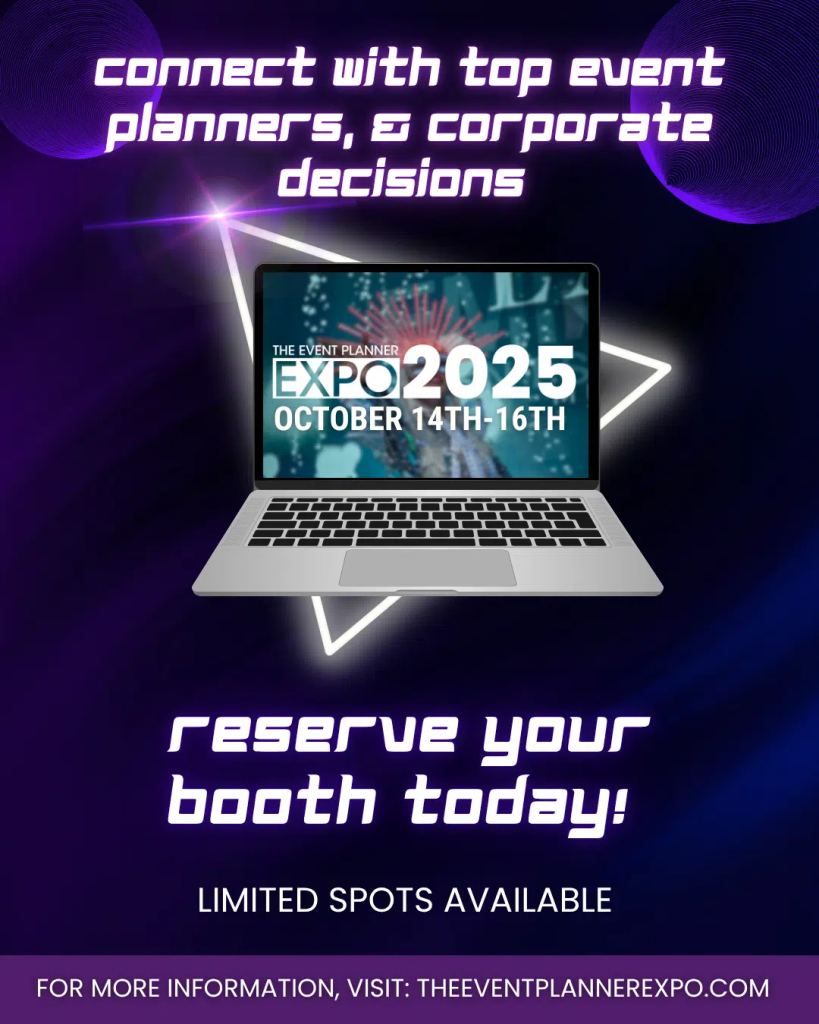
Compare The Event Planner Expo ticket experiences as you apply the checklist.
Start your event trade show evaluation checklist with an objective
Begin by defining what success should look like. A show that is excellent for sourcing new event technology may be a poor choice for finding corporate clients. A gathering built around education may not provide enough structured time for sales conversations. Without a clear objective, it is easy to mistake a busy schedule for a valuable experience.
Choose one primary goal
Select one outcome that matters most, then add one or two supporting goals. Your primary goal might be finding new vendor partners, building a qualified sales pipeline, learning how leading planners solve a specific challenge, or strengthening relationships with existing contacts.
Turn that goal into a measurable result. Instead of saying you want to network, decide that you want to hold ten meaningful conversations with corporate decision-makers and schedule three follow-up meetings. Instead of saying you want inspiration, identify the problems or service areas you want the educational program to address.
Match your role to the experience
Consider how your role changes what you need from the show. An agency owner may prioritize buyers, partnerships, and business development. A producer may care more about suppliers, production advances, and execution ideas. A marketing leader may look for sponsorship opportunities and measurable visibility.
Write a short decision statement before comparing events: “We should attend if the show gives us a credible path to meet our goal and the likely value exceeds the full cost.” That statement keeps exciting branding, popular speakers, and fear of missing out from overriding your priorities.
Evaluate the audience, exhibitors, and speakers
A trade show is valuable because of who participates, not simply because many people participate. A large crowd can still be the wrong crowd. Look for evidence that the attendee community includes people who can help you reach your objective.

Study the attendee profile
Review the organizer’s description of job functions, seniority levels, industries, company sizes, and geographic reach. Look for past attendee lists, testimonials, recap videos, and social posts that reveal who actually attended. If the information is vague, ask the organizer directly about the audience composition.
Pay particular attention to the difference between decision-makers, influencers, suppliers, students, and general visitors. Each group can contribute value, but only if that value matches your objective. For business development, a smaller room with qualified buyers may outperform a crowded hall with limited purchasing authority.
Review exhibitors and sponsors
An exhibitor list reveals the show’s commercial focus and maturity. Identify companies you already want to meet, categories where you need new options, and potential partners that complement your services. Sponsors can also signal which parts of the industry consider the event important.
If exhibiting is part of your plan, consider whether your offer will stand out. Review the floor plan, booth mix, sponsorship packages, and promotional opportunities. The principles behind effective trade show booth design matter most when the right buyers will be in the room.
Check speaker relevance
Recognizable names can attract attention, but relevance matters more than fame. Review session descriptions and speaker backgrounds. Favor programs that promise practical takeaways, current case studies, and perspectives you can apply after the event.
How do you calculate event trade show ROI?
Return on investment is not limited to immediate sales. It can include qualified relationships, vendor savings, new capabilities, valuable learning, and stronger market visibility. However, each benefit should connect to a real business priority.
- Calculate the full cost. Add registration, travel, lodging, meals, local transportation, upgrades, team time, preparation, and follow-up. Include exhibiting, sponsorship, shipping, production, and staffing costs when relevant.
- Assign measurable outcomes. Decide how many qualified conversations, meetings, proposals, vendor discoveries, or useful sessions would make attendance worthwhile.
- Estimate realistic value. Use your normal close rates, average deal values, supplier costs, or training alternatives. Avoid assuming that every badge scan or conversation will become revenue.
- Compare scenarios. Create conservative, expected, and strong-result scenarios. If the event only makes sense in the strongest scenario, the risk may be too high.
- Plan measurement. Decide who will record contacts, insights, next steps, and results. Schedule a review after follow-up so future event choices become more accurate.
Also consider opportunity cost. The same team and budget might produce a better outcome through a different show, a client event, a marketing campaign, or direct outreach. A useful ROI comparison asks not only “Could this work?” but also “Is this the best available use of our resources?” The Bizzabo event ROI guide provides another useful perspective on connecting event goals to measurable results.
Compare the event experience before you commit
The program should make it easy to achieve your objective. Review the agenda in detail rather than relying on a list of highlights. A well-designed experience balances useful content, discovery, and enough unhurried time to build relationships.
| Decision factor | Strong signal | Warning sign |
|---|---|---|
| Audience | Clear roles, industries, and attendee profiles | Large attendance claims with little detail |
| Education | Specific sessions with practical takeaways | Vague themes or heavily promotional panels |
| Networking | Structured formats plus informal connection time | A packed agenda with no room for conversations |
| Exhibitors | Relevant brands across needed categories | A list that does not support your goal |
| Organizer | Clear communication, history, and credible recaps | Unanswered questions or unclear policies |
Look for intentional networking
Networking rarely succeeds by accident. Strong events create multiple ways to connect, such as receptions, hosted meetings, lounges, facilitated introductions, roundtables, and an attendee app. Check whether these formats fit the people you want to meet.

Prepare before arrival by reviewing speakers, exhibitors, and attendees when available. Set meetings early and plan a concise introduction. These event conference networking tips can help turn a crowded room into a focused relationship-building opportunity.
Assess the organizer’s credibility
Look at past editions, public recaps, participating brands, and the organizer’s communication. A credible organizer should explain the experience clearly and answer practical questions. Review cancellation and transfer policies before purchase, especially when travel is involved.
Does location and timing make sense?
Even a strong program can become a poor choice if logistics undermine participation. Examine the dates, location, venue, schedule, and travel demands through the lens of your objective.
Ask whether the event conflicts with your busiest season, important client work, or another higher-priority gathering. Consider whether your target contacts are likely to attend that location. A regional show may deliver concentrated local relationships, while a destination event may provide broader reach at a higher cost.
Review the real schedule
Map the agenda against arrival and departure times. A lower airfare is not a saving if it causes you to miss the opening reception or your most important session. Likewise, a tightly packed program may limit the conversations that justify the trip.
Check venue accessibility, nearby lodging, transportation options, and walking distances. If several team members will attend, decide whether everyone needs the full experience or whether different passes and schedules would be more efficient.
Ask practical questions before buying
- Which days and sessions are essential to the primary goal?
- Are the most relevant attendees likely to stay for the full event?
- Does the venue make planned meetings easy?
- Are there extra charges for networking, workshops, or special access?
- Can the team handle preparation and follow-up around the dates?
Create a plan before you arrive
Choosing the right show is only the first step. Value comes from preparation and disciplined follow-up. Build a simple event plan that lists priority people, must-attend sessions, relevant exhibitors, and desired outcomes. For another practical planning perspective, review Cvent’s trade show planning guide.
Explore exhibitor opportunities if face-to-face access to event-industry buyers is one of your goals.
Divide responsibilities if a team is attending. One person can focus on education, another on vendors, and another on business development. Create a shared method for recording context and next steps so promising conversations do not become forgotten business cards.
Protect time for follow-up
Schedule follow-up time before leaving for the event. Send personalized messages while conversations are still fresh. Reference the discussion, share the promised resource, and suggest a clear next step. For important contacts, avoid a generic message that makes the interaction feel transactional.
Hold a team debrief within a few days. Compare outcomes with the original goal, document useful insights, and decide what to change next time. This creates a repeatable selection process rather than starting from zero whenever another invitation arrives.
Use a decision scorecard to compare your shortlist
This is the step that turns your event trade show evaluation checklist into a repeatable business tool. When several events appear promising, a simple scorecard makes the final choice more objective. List the criteria that matter to your primary goal, then give each event a score from one to five. Useful criteria include audience fit, access to decision-makers, exhibitor relevance, educational quality, networking design, timing, total cost, and organizer credibility.
Not every factor deserves the same influence. Give your most important criteria a higher weight. If business development is the main objective, audience fit and access to buyers should count more than destination appeal. If professional development is the goal, session depth and speaker relevance should carry more weight.
Verify assumptions before scoring
A scorecard only works when the inputs are credible. Separate confirmed information from assumptions. An event website may promise exceptional networking, but the agenda should show when and how those conversations happen. A speaker list may look impressive, but session descriptions should reveal whether the content addresses your actual challenges.
Contact the organizer when important details are missing. Ask focused questions about attendee roles, registration types, meeting formats, past participation, and what each pass includes. Clear answers improve your decision. Vague answers are useful too because they reveal uncertainty before you invest.
Set a minimum threshold
Decide what total score an event must earn to stay on the shortlist. Also identify any nonnegotiable criteria. A show should not qualify simply because a low ticket price raises its average score if the audience is wrong. Similarly, a prestigious name should not outweigh a schedule that prevents meaningful participation.
Save the completed scorecard and compare it with actual results after the event. Over time, you will learn which signals predict value for your team. That record will make future choices faster, sharpen budget conversations, and help you build a calendar around the gatherings most likely to advance your business.
Frequently asked questions about choosing an event trade show
What should I look for in an event trade show?
Look for a strong match between your objective and the audience, exhibitors, education, networking formats, timing, and full cost. Evidence about who attends and how the agenda works is more useful than attendance size alone.
How far in advance should I choose a trade show?
Choose early enough to review the program, secure practical travel, schedule meetings, and prepare your team. The exact timing varies, but waiting until the last minute usually reduces both choice and potential value.
Is a large trade show always better?
No. A large event offers variety, but a smaller gathering can provide more relevant contacts and deeper conversations. Judge the quality and accessibility of the audience against your goal.
How can I tell whether a trade show is worth the cost?
Calculate the complete cost, define measurable outcomes, estimate realistic value, and compare the event with alternative uses of the same resources. Plan how you will track results after attendance.
Choose an event trade show that moves your business forward
The right event brings ambitious professionals, useful ideas, and valuable opportunities into the same room. Apply this framework, then explore The Event Planner Expo to see how a premier gathering can support your next stage of growth.