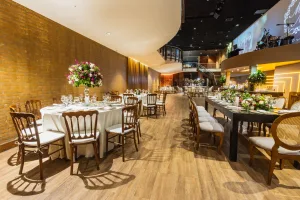
A packed conference calendar means little without a plan for the right conversations. A conference networking strategy helps you decide who matters, where to meet them, and what progress looks like.
Ready to network smarter? Get your Expo tickets and arrive with a focused plan.
A conference networking strategy is a measurable plan for meeting the right people in the right settings, then turning each useful conversation into a next step. Executives, event planners, entrepreneurs, and marketers should start with one outcome, such as qualified partners, prospective clients, or useful vendor relationships. At The Event Planner Expo, use keynote sessions to find shared ideas, the trade show floor to evaluate solutions, and VIP lounges for focused business conversations. Parties create a more relaxed setting for introductions, and timely follow-up makes promising contacts easier to move forward. The Expo structures networking through these settings, as its event overview explains, so attendees can route time toward conversations that serve their goal.
The practical question is not whether you will meet people, but which encounters deserve your limited time and a clear next step. Conference networking strategy starts with an outcome, because a defined result tells you where to go, whom to prioritize, and what to record. The path begins with:
Conference networking strategy starts with an outcome
A conference networking strategy is not a plan to gather as many contacts as possible. It is a business development plan built around one useful result. That result could be meeting buyers, finding venue partners, opening sponsor talks, or meeting peers who share referrals.
A result you can measure
Begin with a result that guides how you use your time. An executive may want talks with possible event partners. A planner may seek venues for coming programs. An entrepreneur may look for referral partners, while a marketer may need qualified leads.
Write one goal before you arrive, then name what would count as progress. If lead capture is central to your goal, build it into your conference networking strategy. A clear measure makes each conversation easier to assess later.
- Outcome: start qualified buyer conversations; connection type: decision-makers with an active event need.
- Outcome: source new venues; connection type: venue partners matched to your event format.
- Outcome: expand referrals; connection type: planners or service partners with shared audiences.
- Outcome: improve brand reach; connection type: sponsors, marketers, and industry voices.
The right people and places
Once the outcome is clear, list the kinds of people who can move it forward. Focus first on role, need, and fit, not a long roster of names. This keeps your approach useful when you meet an unexpected contact.
Match each connection type to a likely setting. At the Expo, trade show networking, keynote sessions, and VIP lounges offer different ways to meet people. A booth conversation can explore a service need. A session discussion can uncover a shared business question.
A useful first introduction
Your introduction should make the next question easy. State your role, the type of work or challenge you handle, and why the conversation may matter. Keep it brief enough to leave room for the other person’s needs and priorities.
For example: “I plan executive events in New York, and I am looking for flexible venues for fall programs. What kinds of corporate events do you host?” It gives context and invites a focused answer. Since conferences can crowd your attention, choosing where to spend time helps you act on your goal.
Prepare two versions of that introduction: one for a possible client and one for a partner. Then pair each talk with a simple next step, such as a meeting request or a promised resource.
How do you create your plan before the event?
A focused conference networking strategy starts before you enter the venue. Review the event plan first, then match each time block to a clear business aim. The Expo schedule shows where your day can take shape.
Your networking map
Your goal is not to cover every room. Find the sessions, speakers, and settings that support your next useful conversation. Conference agendas can feel crowded. A simple plan helps you protect attention and time.
It can be hard to know where to focus at a conference, according to Harvard Business Review. Use that challenge as a reason to plan, not to avoid open conversations.
-
Open the schedule and speaker pages. Mark sessions tied to your clients, services, partner needs, or growth goals.
-
Write a short priority list. For each person or business type, note one reason to connect and one useful question.
-
Reserve time blocks around sessions. Leave space for trade show talks, introductions, and notes before moving on.
-
Make early contact when you already know someone. Send a brief note that names a shared topic and a suitable place to connect.
Keep this plan flexible. A speaker point may raise a new question. A trade show discussion may reveal a better fit. The plan guides strong choices when several opportunities compete for your time.
Priority contacts and prompts
Build a list around relevance, not status alone. A venue partner may fit a sourcing need; a marketer may share a campaign challenge. A peer may hold practical insight. This keeps introductions focused on the work, not on collecting contacts.
If lead quality matters to your role, review these conference networking strategy ideas. Then prepare prompts before you arrive. Ask, “What kinds of events are you planning this year?” or “What is making vendor selection harder?”
Give each priority contact a next step that fits the possible conversation. You might want an introduction, a product review, or a later planning call. Clear intent makes it easier to listen for a real fit.
A calendar you can use
Turn research into a simple route for the day. Pair a key session with a nearby conversation window. Then leave a gap to record details. That gap helps you keep names, needs, and next actions clear.
Early outreach should be brief and specific. Mention the session or topic that made the contact relevant. Suggest a public event setting for a quick hello. Do not assume access to an attendee list. Do not promise a meeting before the person replies.
A full calendar can work against you. Hold a few open windows for people you meet through shared sessions or show floor talks. You are creating a useful starting point, not filling every minute.
Choose the right setting for each conversation
A strong conference networking strategy starts with one simple choice: match the conversation to the setting. The Event Planner Expo structures networking through the trade show floor, keynote sessions, VIP lounges, and exclusive events. Each space supports a different business goal, from finding solutions to starting partner talks.
A setting-to-objective map
Do not try to make every introduction a full meeting. Decide what you need first. Then choose a setting that gives that talk room to develop. This map helps attendees plan purposeful conversations without slowing the event’s pace.
| Setting | Best objective | Attendee approach |
|---|---|---|
| Trade show floor | Find venues, tools, or service partners | Ask direct needs-based questions; capture next steps. |
| Keynote transitions | Open a new connection | Discuss a session idea; keep the first exchange brief. |
| VIP lounge | Explore fit with decision-makers | Listen first; shift to goals and shared value. |
| Exclusive party | Build rapport for future business | Keep it natural; schedule deeper talks later. |

Plan a few versions of your introduction before arriving. A quick exchange needs your name, role, and one relevant question. A longer talk can cover goals, needs, and a useful next step. That flexibility keeps the interaction useful for both people.
Trade show and transition tactics
The trade show floor suits clear business needs. An event planner can compare venues, production support, or technology while details are close at hand. Ask what a provider solves, who they serve, and what follow-up would help. A practical conference networking strategy also records the reason to reconnect.
Keynote transitions work differently. People already share an immediate topic, which creates an easy opening. Lead with one useful takeaway or a focused question. If the conversation has potential, exchange details. Let the next session begin without forcing a pitch.
Higher-level relationship spaces
VIP lounges are suited to measured conversations with decision-makers and possible partners. Enter with context, not a hard sell. Ask about current priorities, listen for common ground, and suggest a next talk only when there is a real fit.
Exclusive parties offer a more relaxed way to continue conversations started earlier. They support rapport, not an on-the-spot proposal. Refer back to a useful show-floor or session discussion. Then learn about the person’s work and interests.
When mutual interests surface, focus on what can happen next. That may be an introduction, a brief call, or a planned meeting. This is where strategic conference networking moves from a pleasant chat to a business relationship.
How can executives network effectively at a conference?
Priority conversations
Executives and senior marketers do not need more contacts. They need the right conversations with people who can solve a business need, shape an event, or open a useful partnership. A conference networking strategy should start with a short priority list: target accounts, venue partners, service providers, and peer leaders worth meeting.
Match each goal to the place where the conversation can happen well. At The Event Planner Expo, the trade show floor, keynote sessions, and VIP lounges offer different settings for business conversations. Use the show floor to find solutions. Then use quieter moments to test fit and decide who merits more time.
Short, useful exchanges
Time matters, so begin with context instead of a long introduction. State your role and name one current need. Ask a focused question. Such as: “What types of corporate programs are you building for?” Another option is: “Where are clients seeing planning friction this year?” This makes the discussion useful from the first minute.
Listen for alignment before you pitch. A strong fit may involve the right audience, matching timelines, shared standards, or an introduction that helps both sides. Offer one useful insight or contact. This builds trust without turning a brief meeting into a sales presentation.
When a conversation includes a qualified prospect, capture the need and next action while details remain clear. The Expo’s guide to conference networking strategy can help teams record useful lead details instead of collecting names alone.
A clear next step
Do not end a promising exchange with a vague plan to reconnect. Ask for a practical next step, such as a short call, a proposal review, or an introduction. Schedule it on the spot when possible. Record why the meeting matters.
This habit reduces the follow-up gap once normal work resumes. The Harvard Business Review guidance on follow-up explains that work demands can push new contacts aside. For partnership-focused talks, review advice on strategic conference networking before the next meeting.
Turn conversations into accountable next steps
A strong conference networking strategy does not end when you exchange contact details. The useful part begins when you turn a good talk into a clear action. Capture enough detail to know why the connection matters and what should happen next.
Notes that preserve context
Take notes as soon as a conversation ends, while the details are still clear. Record the person’s role, company, current need, and any topic that earned their attention. Add where you met, such as a keynote discussion, lounge introduction, or show floor meeting.
Keep each note focused on the business reason for reconnecting. A venue planner seeking a production partner needs a different next step than a marketer exploring sponsorship. If you capture leads at the event, use consistent fields from your conference networking strategy to keep handoffs clear.
A practical contact sort
Sort new contacts by relevance and next action, not by job title alone. An immediate opportunity may need a meeting request. A valuable long-term peer may need a useful introduction or shared resource instead.
- Active opportunity: A clear project, vendor need, budget discussion, or partnership opening.
- Relevant relationship: Strong fit for referrals, insight sharing, or future collaboration.
- General connection: Worth keeping, but no specific next move is clear yet.
This quick sort helps your team give attention where it can create value. It also keeps promising conversations from getting lost among scanned badges and business cards after the event.
Follow-up with a purpose
Write follow-up messages that name the discussion and offer one logical next move. That may be a short meeting, a venue deck, a vendor introduction, or an article that answers a question. As Harvard Business Review notes, routine work can push conference follow-up out of mind.
Assign an owner and a due date for each high-value contact before normal work takes over. Send relevant connections to a calendar invite or helpful resource, rather than a vague check-in. Use a structured networking strategy at industry events to guide the next touch.
What makes a conference networking strategy measurable?
A measurable conference networking strategy starts with the result you seek, not the number of names collected. A planner may want venue partners. An executive may seek suppliers or referral partners. A marketer may need sales conversations. Choose the business goal first, then record actions that show movement toward it.
A scorecard tied to your goal
Build a simple scorecard before you arrive. Give each planned contact a name, organization, reason to connect, and desired next step. This keeps a busy event focused. It also aligns your notes with conference networking strategy practices built around useful lead records.
Do not grade a conversation only by whether contact details changed hands. Mark the relationship type, such as potential client, venue, sponsor, speaker, supplier, or peer. Add the problem discussed and the fit with your goal. The scorecard should make follow-up easy, not create more record keeping.
Four measures that show progress
Pre-arranged conversations show whether preparation turned into real access. Record which planned meetings happened, who attended, and which did not take place. A short planned conversation can matter more than an unplanned exchange if it connects you to the role or need you selected beforehand.
Qualified introductions capture relevance, not crowd size. Count an introduction when the person matches a stated goal and there is a clear reason to continue speaking. For example, an event planner looking for new venues should track venue contacts whose offering fits planned programs, timing, or guest needs.
Scheduled next steps turn a positive discussion into an open work item. Note the agreed action, owner, and target time: a proposal review, site visit, product demo, referral introduction, or brief follow-up call. This measure separates polite interest from a connection ready for further work.
Useful insights captured matter even when a meeting does not create an immediate lead. Note recurring client needs, partner gaps, budget concerns, service trends, or session takeaways. At the Expo, conversations across the trade show floor, sessions, and lounges can reveal where your offer or event plan needs adjustment.
A post-event review that informs decisions
Set time to review the scorecard while conversations are still clear. Follow-up often slips when people return to regular work, a challenge discussed by Harvard Business Review. Sort contacts by next action, then send notes that refer to the discussion and promised step.
After follow-up begins, compare results with the goal you set. Which settings produced qualified introductions? Which meetings led to a scheduled action? Which insights changed your planning? These answers help you choose future events, session time, meeting targets, and access options with purpose.
A strong record also helps a connection grow past the event itself. When a qualified introduction points toward shared business, use the notes to guide strategic conference networking rather than a generic check-in. That is how networking becomes a repeatable business practice.
How can planners design better networking opportunity?
A strong conference networking strategy starts with event design, not a request to mingle. Planners can shape useful meetings by giving people time, context, and a clear next step. At The Event Planner Expo, attendees can see how education and trade show discovery create different reasons to begin a conversation.
Time between programmed moments
Do not pack a program so tightly that every attendee must rush to the next room. Add transition time after a keynote, panel, or demo. People need space to compare notes with a peer after a session. They may also find a supplier whose idea solves a real need.
Use the agenda to show where connection can happen. A planner studying the Expo event format can watch for natural meeting points between education, trade show conversations, and evening interaction. In their own event, a labeled coffee break or open floor block makes networking a planned activity, not leftover time.
Prompts and discovery paths
Education gives guests a useful opening question: Which idea could work for your next program? The trade show floor then gives them a place to test that question with venues, technology teams, or service partners. This flow is stronger than asking attendees to trade cards without a shared topic.
Design prompts around real needs, such as guest arrival, budget pressure, audience response, or measurement. Place one prompt on session slides, signs, or the event app. Then direct attendees to related exhibit areas or hosted meetups, without forcing a pitch before a business need is clear.
Smaller conversations and clear follow-up
Large sessions build common ground, while smaller settings help people speak with more detail. Build roundtables, topic tables, quiet meeting corners, or short hosted introductions into the plan. Keep each setting focused on one challenge, so a planner and a potential partner can learn whether another discussion makes sense.
Every connection also needs an easy way forward. Provide opt-in badge scanning, meeting-request tools, shared notes, or a simple prompt to exchange preferred contact details. A useful conference networking strategy should include a lead capture plan, rather than leaving names in scattered notes.
Reserve time after the event for outreach, before normal work crowds it out. Harvard Business Review notes that post-conference catch-up can push follow-up aside in its guidance on following up after a conference. Give attendees a message template or note field that records the topic, promised action, and next meeting request.
Put your conference networking strategy into action. Review the Expo schedule and reserve your ticket before you arrive.
Schema.
Break.
Break.
Break.
Break.
Done.
Frequently Asked Questions
How do you create a conference networking strategy before an event?
Begin with one measurable outcome, such as qualified partner meetings, supplier conversations, or post-event demos. Identify priority contacts and map where conversations can happen: keynotes, lounges, parties, and the trade show floor. Prepare a brief introduction and two relevant questions. Schedule priority meetings first, then leave open time for unexpected introductions and follow-up notes.
How do executives network effectively at a conference?
Executives should focus on relevance, not the number of contacts collected. Select conversations tied to partnerships, vendors, customer needs, or market intelligence. Use keynote takeaways as a natural opener, then move to a short business question. At The Event Planner Expo, VIP lounges and other networking areas support focused conversations when time and discretion matter.
Where should you network during a business conference?
Choose locations by the conversation you need. Use keynote transitions to meet peers who share an interest. Use the trade show floor for solution discovery and vendor qualification. Choose VIP lounges for focused executive discussions, and parties for relationship building in a less formal setting. At The Event Planner Expo, these networking settings are part of the event experience.
How can event planners design better networking opportunities?
Event planners can build networking into the agenda rather than treating it as an unplanned break. Pair education sessions with discussion time, provide clearly identified meeting settings, and create social formats that help guests continue useful conversations. The Event Planner Expo uses trade show, keynote, VIP lounge, and party settings to give different professional conversations an appropriate place.
What should you do after meeting someone at a conference?
Record the person’s role, business need, and the next action while the conversation is fresh. Send a brief follow-up that names the discussion topic and offers a useful next step, such as a meeting or relevant resource. Follow-up matters because post-event work can quickly take priority, as noted by Harvard Business Review.
Ready to Turn Conference Plans Into Connections?
Without a clear plan, busy conference days can pass in a blur of introductions that never become focused business conversations or next steps. Starting now gives you time to set meeting priorities, shape a concise introduction, and identify people whose goals may align with yours. A prepared approach helps you spend less time deciding what to do next and more time building useful professional relationships from each conversation.
Ready to book? Get tickets and plan your conference experience to arrive with meeting priorities, conversation goals, follow-up prompts, and a practical next-step plan. Start today, then use time before the conference to research attendees, refine your introduction, and prepare follow-up notes for the connections you make.