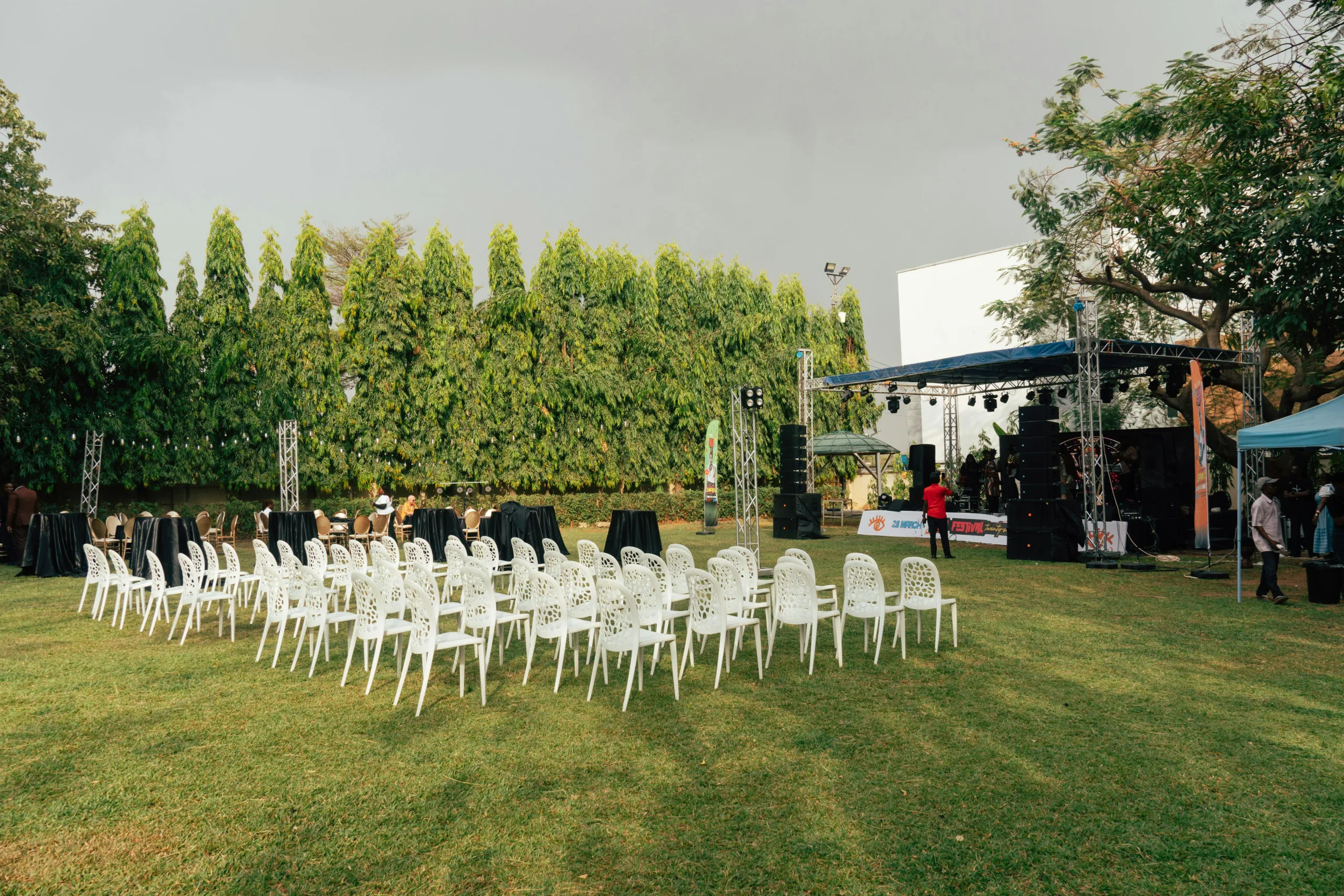
The events industry generates an enormous environmental footprint every year, from single-use signage and plastic-wrapped catering to cross-country flights for a single afternoon session. But a growing number of event planners, corporate teams, and venue operators are proving that high-impact events and environmental responsibility can go hand in hand. Sustainable event planning is no longer a niche trend reserved for environmental nonprofits. It is now a baseline expectation among corporate clients, attendees, and sponsors who want their event dollars to reflect their values.
Get your tickets for The Event Planner Expo 2026 and connect with vendors, speakers, and fellow planners who are leading the charge on greener events in New York City.
What Is Sustainable Event Planning?
Sustainable event planning is the practice of designing, producing, and executing events in ways that reduce environmental impact, conserve resources, and support social responsibility. It covers every stage of an event’s lifecycle: from venue selection and vendor sourcing to waste management and post-event reporting.
The concept goes beyond simply recycling name badges at the door. According to the Events Industry Council, the global meetings and events sector contributes billions of dollars in economic output each year, but that output comes with measurable costs in energy consumption, carbon emissions, water use, and landfill waste. A single large conference can generate over 1,400 pounds of waste per day, and business travel accounts for a significant share of corporate carbon footprints.
Sustainable event planning addresses these costs through intentional choices at every decision point. It means selecting venues with green certifications, sourcing local and seasonal catering, eliminating unnecessary print materials, choosing digital registration systems that follow best practices, and building carbon offset programs into event budgets. The goal is not to make events smaller or less engaging. It is to make them smarter.
Why Eco-Friendly Events Matter More in 2026
Several forces are accelerating the shift toward sustainable events this year. Understanding them will help you build a business case that resonates with stakeholders, sponsors, and C-suite decision-makers.
Corporate ESG commitments are driving purchasing decisions. A growing number of Fortune 500 companies now include sustainability criteria in their vendor selection process. When a brand evaluates whether to sponsor or attend your event, they want to know your environmental policies. If you cannot answer that question with specifics, you lose the deal to a competitor who can.
Attendees expect it. Research from the 2024 Venue Sustainalytics Report found that venues with dedicated Green Teams are nearly 10 times more likely to publish sustainability reports. Attendees notice these efforts. Surveys consistently show that younger professionals (ages 25 to 40) rank sustainability as a deciding factor when choosing which events to attend. Ignoring this audience means shrinking your attendee base year over year.
Regulations are tightening. Cities like New York, Los Angeles, and San Francisco have expanded commercial waste diversion requirements, and the EU’s Corporate Sustainability Reporting Directive (CSRD) now affects any large company operating in Europe. Event planners who work with international sponsors or attendees need to understand these frameworks or risk compliance issues.
Cost savings are real. Sustainable practices often reduce event budgets. Digital signage eliminates reprinting costs. Local catering cuts shipping fees. Reusable decor avoids the expense of buying (and disposing of) new materials for every event. One event production company reported saving 30% on materials costs after switching to a reusable decor program across their annual event series.
How to Build a Sustainable Event Plan From Scratch
Moving from good intentions to measurable results requires a structured approach. Here is a step-by-step framework you can adapt for conferences, trade shows, galas, corporate retreats, and hybrid events.
- Set measurable sustainability goals: Define specific targets before you book a venue. Examples: “Divert 80% of event waste from landfill,” “Reduce per-attendee carbon emissions by 25% compared to last year,” or “Source 100% of catering from vendors within 100 miles.” Vague goals like “be more green” lead to vague results.
- Audit your current baseline: If this is not your first event, pull data from past events. How much waste did you generate? What was your energy consumption? How many attendees flew in versus attended locally? You cannot improve what you do not measure.
- Choose a venue with green credentials: Look for LEED-certified buildings, venues with on-site composting, or spaces that use renewable energy. The 2024 Venue Sustainalytics Report analyzed 53 venues and found that 86% of certified venues actively track waste data, compared to near-zero tracking among non-certified venues.
- Map your supply chain: Every vendor decision is a sustainability decision. Create a checklist that covers catering (local, seasonal, plant-forward options), printing (digital-first, recycled paper), decor (reusable, rented, compostable), transportation (shuttle services, EV charging, public transit access), and swag (useful items only, no plastic trinkets).
- Build sustainability into your budget: Allocate a specific line item for sustainability initiatives, including carbon offsets, compostable serviceware, and waste sorting stations. This prevents green goals from getting cut when budgets tighten.
- Communicate your plan to stakeholders: Share your sustainability goals with sponsors, exhibitors, speakers, and attendees before the event. Give exhibitors guidelines for booth materials. Offer speakers tips for reducing travel impact. The more people who participate, the bigger the collective impact.
- Measure and report results: After the event, compile a sustainability report that documents what you achieved against your goals. Share it publicly. This builds credibility for future events and gives sponsors data they can use in their own ESG reporting.
Learn more about The Event Planner Expo to discover how top event professionals are integrating sustainability into every stage of their planning process.
Choosing Eco-Friendly Venues and Vendors
Your venue is the single biggest sustainability decision you will make for any event. It determines your energy source, waste infrastructure, transportation footprint, and catering options. Here is what to look for.
Venue Selection Criteria
- Energy certifications: LEED Gold or Platinum, ENERGY STAR, or ISO 14001 environmental management certification. These are not marketing labels. They represent verified operational standards.
- Waste infrastructure: Does the venue offer composting, recycling sorting stations, and donation partnerships for leftover food? The Venue Sustainalytics data showed that venues with sustainable procurement policies are significantly more likely to track waste diversion rates.
- Public transit access: A venue within walking distance of a major transit hub can cut attendee transportation emissions by 40% or more compared to a suburban location that requires everyone to drive or take rideshares.
- Natural lighting and ventilation: Spaces that maximize daylight reduce electricity use for lighting and HVAC, and attendees report higher satisfaction scores in naturally lit environments.
- Water conservation: Ask about low-flow fixtures, reclaimed water use, and water-efficient landscaping. The benchmarking data found that 19% of reporting venues now use reclaimed water in their operations.
New York City offers several strong options. The Jacob K. Javits Center runs on 100% renewable electricity and hosts a 6.75-acre green roof. Newer event spaces in Brooklyn and the Hudson Yards district have been built with LEED standards from the ground up. When you attend event industry conferences and expos in NYC, pay attention to how each venue handles sustainability. It is research you can use for your own events.
Vendor Vetting Questions
Ask every vendor these five questions before signing a contract:
- What is your packaging policy? (Reusable, compostable, or recyclable?)
- Do you source locally? If so, what percentage of your materials or ingredients come from within 100 miles?
- What is your waste management process during and after setup/teardown?
- Do you have a sustainability policy or environmental certification?
- Can you provide documentation of your environmental impact for my post-event report?
Zero-Waste Strategies That Actually Work
The phrase “zero waste” sounds ambitious, and it is. True zero waste (100% diversion from landfill) is difficult to achieve at scale. But aiming for 90%+ diversion is realistic with the right systems in place. Here are strategies that experienced event planners use.
Eliminate single-use plastics entirely. This is the fastest win. Replace plastic water bottles with refill stations and branded reusable bottles. Swap plastic-wrapped utensils for compostable flatware or encourage attendees to bring their own. Replace plastic badge holders with lanyards made from recycled materials that attendees can keep.
Go digital-first for all communications. Event programs, maps, schedules, speaker bios, and sponsor information should live in a mobile app or website, not a printed booklet. If you must print something (directional signage, for example), use recycled paper with soy-based ink and design it for reuse at future events.
Set up clear waste sorting stations. Three-stream sorting (compost, recycling, landfill) is the minimum. Place stations at every food service area, break room, and registration zone. Label them with pictures, not just words. Assign volunteers to help attendees sort correctly during peak times. Contaminated recycling ends up in landfill, so proper sorting matters more than having bins available.
Donate leftover food. Partner with a local food rescue organization before the event. In New York City, organizations like City Harvest and Rescuing Leftover Cuisine can pick up surplus catering within hours of your event closing. Many cities have Good Samaritan laws that protect food donors from liability.
Design exhibitor guidelines with waste in mind. Require exhibitors to use reusable or recyclable booth materials. Ban single-use giveaways like plastic pens and foam stress balls. Instead, encourage digital lead capture tools and downloadable resources. This is also a chance to set your trade show apart from competitors who still drown attendees in throwaway swag.
How Do You Reduce the Carbon Footprint of a Large Conference?
Carbon emissions from events come from three main sources: attendee travel (typically 70-80% of total emissions), venue energy use (10-15%), and supply chain logistics (10-15%). Each requires a different strategy.
Attendee Travel
You cannot control where your attendees live, but you can influence how they get to your event and whether they need to travel at all.
- Offer a hybrid attendance option. Virtual attendance eliminates travel emissions entirely for remote participants. Invest in quality production so virtual attendees get real value, not a choppy livestream of someone’s back.
- Negotiate group transit rates. Partner with rail companies (Amtrak offers group discounts for conferences) and local transit authorities for discounted passes. Promote public transit routes in your pre-event communications.
- Provide bike valet or scooter parking. For urban events, make it easy for local attendees to arrive without a car.
- Coordinate shared ground transportation. Organize shuttle buses from airports and major hotels to reduce individual rideshare trips.
Venue Energy
- Choose venues powered by renewable energy or purchase renewable energy certificates (RECs) to offset grid electricity use.
- Use LED lighting exclusively. LED fixtures use 75% less energy than traditional incandescent lighting.
- Minimize HVAC load by selecting appropriately sized spaces. An oversized ballroom for 200 people wastes energy heating, cooling, and lighting empty space.
Carbon Offset Programs
After reducing what you can, offset the rest. Purchase verified carbon offsets through programs like Gold Standard, Verra (VCS), or Climate Action Reserve. Calculate your event’s footprint using tools from the Events Industry Council or the GMIC (Green Meeting Industry Council). Include the offset cost in ticket pricing or sponsorship packages so it is funded by default, not treated as an optional add-on.
Event planners who want to stay ahead of NYC event industry trends in 2026 should note that carbon transparency is quickly becoming a competitive advantage, not just a feel-good exercise.
Sustainable Catering: From Menu Planning to Waste Recovery
Food and beverage is often the second-largest source of event waste after printed materials. A well-planned sustainable catering strategy addresses three areas: what you serve, how you serve it, and what happens to leftovers.
Plant-forward menus reduce emissions. Beef production generates roughly 10 times more greenhouse gas emissions per calorie than plant-based proteins. You do not need to go fully vegan (though some events do). Offering plant-based options as the default, with meat available on request, typically reduces food-related emissions by 30-40% while keeping attendees satisfied.
Source locally and seasonally. Food that travels less generates fewer emissions. A caterer sourcing from farms within 150 miles will produce less carbon than one shipping ingredients from across the country. Local sourcing also supports regional economies and often tastes better because produce arrives fresher.
Portion planning prevents waste. Work with your caterer to use accurate headcounts and buffer conservatively. Buffet-style service generates 15-20% more waste than plated or pre-ordered meals because attendees take more than they eat. If you use buffets, start with smaller portions and replenish as needed rather than loading full trays from the start.
Compostable serviceware is worth the investment. Plates, cups, and utensils made from sugarcane, cornstarch, or bamboo cost more per unit than plastic, but they divert waste from landfill and signal your commitment to sustainability. Confirm that your venue’s waste hauler accepts compostable materials. Not all facilities can process them.
Plan food recovery before the event starts. Connect with a food rescue partner, arrange pickup timing, and have packaging ready for safe food transport. Leftover catering from a 500-person conference can feed hundreds of people in need.
Technology and Tools for Greener Events
Technology is one of the most practical levers for reducing your event’s environmental footprint. The right tools replace physical materials, reduce travel, and improve measurement.
- Event management platforms: Tools like Cvent, Eventbrite, and Bizzabo handle registration, check-in, and communication digitally, eliminating the need for printed registration forms, paper tickets, and mailed invitations.
- Mobile event apps: Replace printed programs, maps, and schedules with a mobile app. Attendees get real-time updates, and you avoid printing 2,000 booklets that end up in hotel trash cans.
- Digital lead capture for exhibitors: Badge scanners and app-based lead capture replace the paper business card exchange and printed brochure handout. Exhibitors get better data, and the event produces less paper waste.
- Carbon calculators: Tools from the Events Industry Council and platforms like Trace and Sustain.Life help you estimate and track your event’s carbon footprint in real time.
- Virtual and hybrid platforms: Hopin, Zoom Events, and similar platforms allow remote attendance, reducing travel emissions while expanding your audience reach beyond geography.
- Smart building systems: Venues with IoT-connected lighting, HVAC, and occupancy sensors adjust energy use automatically based on actual room occupancy.
Keep an eye on event technology trends shaping conferences to stay current on the tools that can make your next event both higher-tech and lower-impact.
Measuring and Reporting Your Event’s Environmental Impact
Measurement turns sustainability from a marketing claim into a credible business practice. Without data, you are guessing. With data, you can improve year over year, satisfy sponsor ESG requirements, and build trust with attendees.
Key Metrics to Track
| Category | Metric | How to Measure |
|---|---|---|
| Waste | Waste diversion rate (%) | Weight waste by stream (landfill, recycling, compost). Diversion rate = (recycling + compost) / total waste. |
| Energy | Total kWh consumed | Request utility data from venue for event dates. Compare to previous years. |
| Carbon | Total CO2e emissions | Use carbon calculator tools. Include travel, energy, catering, and materials. |
| Water | Gallons consumed | Request water meter readings from venue for event dates. |
| Catering | Food waste weight (lbs) | Weigh surplus food before donation and disposal. Track donation volume separately. |
| Materials | % digital vs. printed | Count print orders and compare to digital distribution metrics (app downloads, email opens). |
Building a Sustainability Report
After each event, compile a one-page sustainability summary that includes:
- Goals set versus results achieved
- Year-over-year comparisons (if applicable)
- Highlights and wins (e.g., “Diverted 92% of waste from landfill”)
- Areas for improvement with specific action items
- Vendor and partner recognition for sustainability contributions
Share this report with sponsors, exhibitors, and attendees. It gives sponsors concrete ESG data they can include in their own reporting, and it shows attendees that your sustainability commitments are backed by action, not just words.
Exhibit at The Event Planner Expo 2026 and showcase your sustainable event solutions to 2,500+ qualified buyers and decision-makers in NYC.
What Are the Biggest Challenges in Sustainable Event Planning?
Honest conversations about obstacles help planners prepare rather than get blindsided. Here are the most common challenges and practical ways to handle them.
Budget pushback from leadership. Sustainability initiatives sometimes cost more upfront (compostable serviceware, carbon offsets, green venue premiums). Counter this by presenting the full financial picture: savings from digital-first communications, reduced shipping costs from local sourcing, and the revenue impact of attracting sustainability-conscious sponsors who will not work with events that ignore environmental impact.
Vendor availability in certain markets. Not every city has a deep bench of sustainable caterers, green venues, and compostable material suppliers. Start early. Give yourself 6+ months of lead time to source vendors. Use industry directories and networking events and industry expos to find new vendor relationships.
Attendee behavior. You can set up perfect waste sorting stations and still see contaminated bins because people are not paying attention. Invest in clear signage (pictures, not just text), trained volunteers at sorting stations during meals, and pre-event communications that set expectations. Gamification also works: leaderboards tracking team waste reduction scores can motivate participation.
Measuring impact accurately. Carbon calculators rely on estimates and averages. Waste audits require labor. Utility data from venues can be hard to isolate for your specific event dates. Accept that your measurements will be approximate, especially in year one. The point is to establish a baseline, not to achieve scientific precision. Accuracy improves each year as you refine your tracking processes.
Greenwashing risks. If you market your event as “sustainable” without backing it up with specifics, you risk backlash. Be transparent about what you have achieved and where you fell short. Saying “We diverted 78% of waste from landfill, up from 60% last year, and our goal for next year is 85%” is far more credible than “We hosted a green event.”
Sustainable Event Planning Checklist for 2026
Use this checklist to audit your planning process. It works for events of any size, from a 50-person workshop to a 5,000-attendee conference.
Pre-Event
- Set specific, measurable sustainability goals
- Choose a venue with green certifications or documented sustainability practices
- Vet all vendors using sustainability criteria
- Switch to digital registration, ticketing, and event programs
- Design a plant-forward catering menu with local sourcing
- Arrange food rescue partnerships for surplus catering
- Purchase verified carbon offsets for estimated travel emissions
- Communicate sustainability plans to sponsors, exhibitors, and attendees
- Create exhibitor guidelines banning single-use plastics and disposable swag
During the Event
- Staff waste sorting stations with trained volunteers
- Use refillable water stations (no plastic bottles)
- Monitor energy use and adjust lighting/HVAC as needed
- Offer hybrid attendance for remote participants
- Provide public transit information and bike parking
- Track waste, water, and energy metrics in real time where possible
Post-Event
- Conduct a waste audit (weigh and categorize all waste streams)
- Compile sustainability metrics into a report
- Share results with stakeholders, sponsors, and attendees
- Identify top 3 improvement areas for next year
- Send thank-you notes to vendors and partners who contributed to sustainability goals
Professional development is a key part of getting better at this work. Explore corporate event planning education resources to deepen your skills in sustainable event management and other areas where the industry is evolving.
Frequently Asked Questions
How much does it cost to plan a sustainable event?
Sustainable events do not always cost more than conventional ones. Some areas increase costs (compostable serviceware, carbon offsets, green venue premiums), while others decrease them (digital communications, local catering, reusable decor). Many planners report that the net budget impact is neutral or even positive after accounting for savings on printing, shipping, and materials disposal.
What certifications should I look for in an eco-friendly venue?
The most recognized certifications include LEED (Leadership in Energy and Environmental Design), ENERGY STAR, ISO 14001 (Environmental Management Systems), and Green Key. For event-specific standards, look for venues aligned with ASTM/APEX standards or those participating in the Venue Sustainalytics benchmarking program.
Can small events benefit from sustainable planning practices?
Yes. Many sustainable practices are easier to implement at smaller scales. A 100-person corporate retreat can go fully zero-waste with compostable serviceware, digital-only communications, and a local caterer. Smaller events also make it easier to track metrics accurately and engage every attendee in sustainability practices.
How do I convince sponsors to support a sustainable event?
Frame sustainability as a business advantage, not just an ethical choice. Sponsors get ESG-reportable data, positive brand association with environmental responsibility, and access to an audience that values sustainability. Offer sponsors branded sustainability metrics (e.g., “This event diverted 92% of waste from landfill, sponsored by [Brand Name]”) that they can use in their own marketing and CSR reports.
What is the single most impactful change I can make for my next event?
Reduce attendee travel emissions by offering a high-quality hybrid attendance option. Travel typically accounts for 70-80% of an event’s total carbon footprint. Even converting 20% of your audience to virtual attendance can cut your event’s overall emissions significantly.
Moving Forward: Build Events That Leave a Positive Mark
Sustainable event planning is not about perfection. It is about progress. Every reusable water station, every plant-forward menu, every digital program that replaces a printed booklet moves the industry forward. The event planners who embrace these practices now are building a competitive advantage that will only grow as corporate ESG requirements tighten, attendee expectations rise, and the best venues prioritize clients who share their sustainability values.
Start with one or two changes for your next event. Measure the results. Build on what works. And connect with the community of planners, vendors, and thought leaders who are already doing this work.
Get your tickets for The Event Planner Expo 2026 to network with 2,500+ event professionals and 150+ exhibitors who are shaping the future of the events industry in New York City.