
Why NYC Is Still the Benchmark for Event Innovation
New York City doesn’t wait for trends to settle. It accelerates them. What starts as an experiment in another market often gets pushed further here, tested under tighter timelines, higher expectations, and more demanding audiences. That pressure has a way of separating ideas that sound good from ones that actually work. For event professionals paying attention, NYC offers something more valuable than inspiration. It shows what’s already proving itself in real environments with real stakes.
The concentration of industries in New York plays a big role in that. Finance, fashion, media, tech, hospitality, and retail all intersect here, and each one brings its own expectations into the event space. That cross-pollination drives faster evolution. A concept that works in retail shows up in corporate activations. A sustainability initiative from fashion influences conference design. A tech innovation from a startup environment finds its way into large-scale brand experiences. It doesn’t take long for ideas to move across industries and reshape how events are planned and executed.
For planners, agencies, and vendors, that creates both opportunity and pressure. The bar is constantly being raised, not just in how events look, but in how they perform. Attendees expect more. Clients ask better questions. Budgets are tied more closely to outcomes. The result is an industry that’s becoming sharper, more intentional, and more accountable for the experiences it delivers. Understanding what’s happening in NYC isn’t about keeping up with trends. It’s about recognizing the standards that are already defining the next phase of event planning.
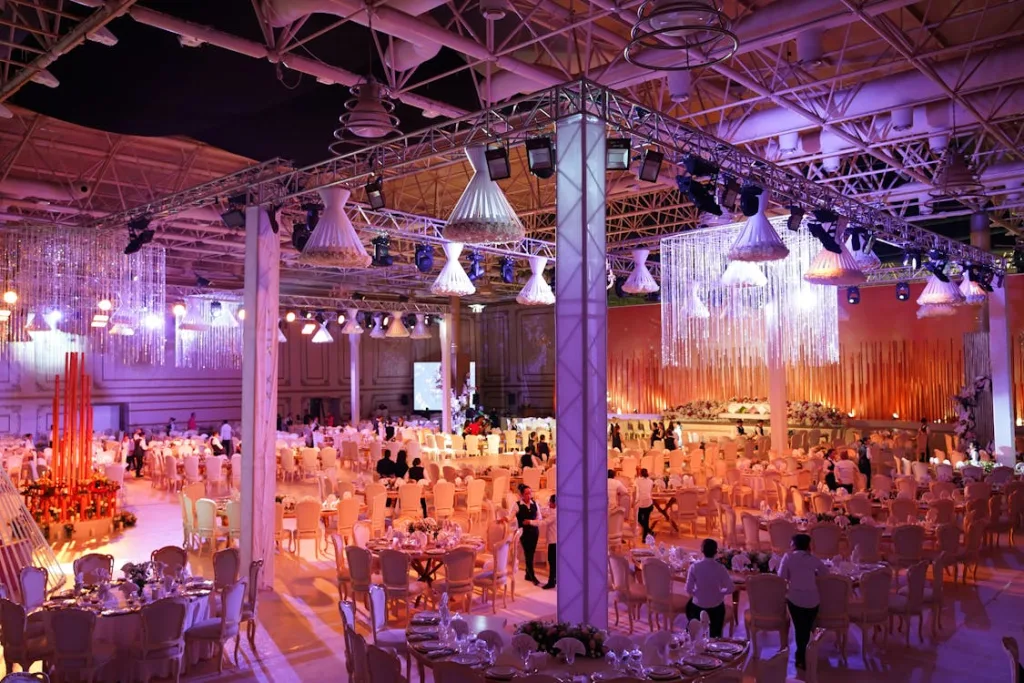
The New Standard: Events Built for Performance, Not Just Presence
Event planning has always balanced creativity and execution, but the expectations around performance have shifted in a noticeable way. Clients are no longer satisfied with events that simply look impressive or generate short-term buzz. They want to understand how those events contribute to larger business goals, whether that’s brand positioning, lead generation, internal alignment, or long-term engagement. That shift has changed how events are scoped, designed, and evaluated from the very beginning.
This doesn’t mean creativity has lost its place. It still plays a central role in capturing attention and shaping the experience. What has changed is how that creativity is used. Instead of existing on its own, it’s being developed alongside measurable objectives. Event concepts are expected to support outcomes, not just aesthetics. That alignment shows up in everything from programming decisions to layout design to how attendee interactions are structured throughout the event.
ROI Is Now Part of the Creative Brief
When planners sit down to map out an event, the conversation now includes performance from the start. Questions around return on investment aren’t being asked after the fact. They’re built into the planning process. Clients want to know how success will be measured, what data will be captured, and how the event will contribute to broader strategies.
That level of accountability influences decision-making at every stage. Budgets are allocated with more intention. Features and experiences are evaluated based on their impact, not just their appeal. It creates a planning environment where every element has a purpose and contributes to a larger objective.
How Event Success Is Being Measured in 2026
Metrics have expanded beyond attendance numbers and general feedback. Engagement is being tracked more closely, from how attendees move through a space to how they interact with content and each other. Lead quality, conversion potential, and post-event follow-through are all part of the evaluation process.
This shift is also changing how data is used. Instead of collecting information and setting it aside, planners and clients are using it to refine future events. Patterns are identified, strategies are adjusted, and each event builds on the last. Over time, that approach creates a more informed and effective planning process.
Why Intentional Design Is Replacing Overproduction
There was a time when scale and spectacle were often used as indicators of success. Larger builds, more elements, and more visual impact were seen as the way to stand out. That approach is being reconsidered as planners and clients focus more on clarity and purpose.
Intentional design prioritizes how an event functions as much as how it looks. It considers how attendees move through the space, where interactions happen, and how different elements support the overall experience. The goal is to create environments that feel cohesive and purposeful, rather than overwhelming or fragmented. This approach often leads to stronger engagement because the experience is easier to navigate and more meaningful for those attending.
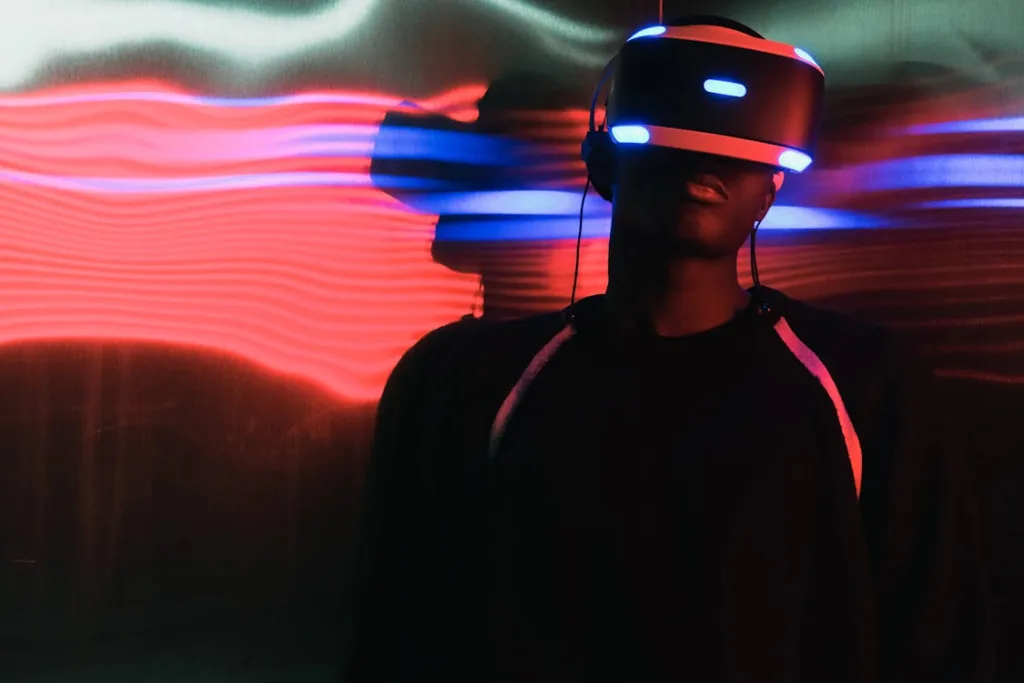
Operational AI Is Now Embedded in Event Execution
Artificial intelligence has been part of industry conversations for years, but the way it’s being used in event planning has become far more practical. The focus has shifted from experimentation to application. Instead of being treated as a novelty, AI is being integrated into the day-to-day operations that support event execution.
This change is largely driven by the need for efficiency. Planning timelines are tight, expectations are high, and the volume of tasks involved in producing an event continues to grow. AI is helping to reduce the manual workload, allowing planners to move faster without sacrificing quality. It’s not replacing the role of the planner. It’s supporting it by handling processes that don’t require creative judgment or relationship management.
Where AI Is Replacing Manual Planning Work
Several areas of event planning are seeing immediate impact from AI integration:
- Venue sourcing and research: Tools can quickly surface options based on specific criteria, reducing hours of manual searching
- RFP support and documentation: Drafting and organizing proposals is becoming more streamlined
- Attendee communication: Automated messaging systems can handle confirmations, reminders, and updates
- FAQ support through chatbots: Real-time responses improve attendee experience without increasing staff workload
- Data aggregation and reporting: Information from multiple sources can be compiled and analyzed more efficiently
These applications are practical and measurable. They reduce time spent on repetitive tasks and create more consistency across planning processes.
The Systems That Are Streamlining Event Operations
Beyond individual tools, there’s a broader movement toward integrated systems that connect different parts of the planning process. Registration, communication, data tracking, and reporting are increasingly being managed within unified platforms. This reduces fragmentation and makes it easier to maintain visibility across an event’s lifecycle.
For planners, that means fewer gaps between systems and fewer points of failure. Information flows more smoothly, and teams can access what they need without switching between multiple platforms. The result is a more cohesive operational structure that supports better execution.
How AI Is Changing Timelines, Budgets, and Output
As operational tasks become more efficient, timelines are compressing. Work that once required extended lead time can now be completed more quickly, allowing planners to take on more projects or spend additional time refining key elements of an event.
Budgets are also being affected. Efficiency gains can reduce costs in certain areas, while also creating opportunities to reallocate resources toward elements that enhance the attendee experience. Over time, this shift is influencing how events are structured and what clients expect in terms of delivery and value.

Spatial Design and Immersive Tech Are Redefining Event Environments
The way event spaces are designed has evolved significantly as new tools and technologies become available. Planning is no longer limited to floor plans and rough layouts. Planners now have access to 3D visualization and spatial modeling tools that allow them to build and refine environments before anything is physically constructed.
This shift is changing how decisions are made. Instead of relying solely on experience and imagination, planners can test ideas, adjust layouts, and see how different elements interact within a space. That level of visibility leads to more informed choices and fewer surprises during execution.
How 3D Planning Tools Are Changing Pre-Production
3D modeling allows planners to walk through a space virtually, exploring sightlines, flow, and placement before the event is built. This makes it easier to identify potential issues and make adjustments early in the process.
It also improves communication with clients and partners. When everyone can see the same vision, alignment happens more quickly. Expectations are clearer, and approvals are easier to secure.
Designing Guest Movement Instead of Just Layouts
Layout has always been important, but there’s a growing focus on how attendees move through a space. Planners are thinking more about transitions, gathering points, and how different areas connect to each other.
This approach leads to environments that feel more intuitive. Guests don’t have to figure out where to go or what to do next. The design guides them naturally, which improves the overall experience and keeps engagement levels higher.
The Difference Between Immersive and Overstimulating
Immersive technology can enhance an event when it’s used with intention. It can create moments that draw people in, encourage interaction, and make the experience more memorable.
At the same time, there’s a recognition that too much can have the opposite effect. Overuse of technology or overly complex setups can distract from the purpose of the event. The most effective designs find a balance, using technology to support the experience rather than dominate it.
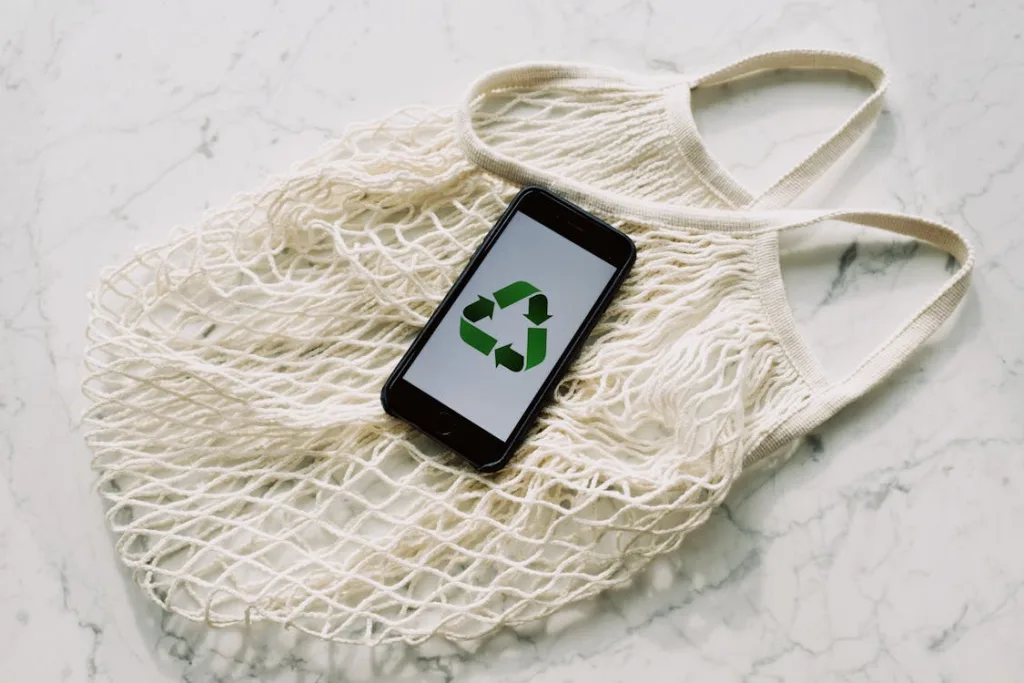
Sustainability Has Become a Design Constraint, Not a Feature
Sustainability used to sit on the edge of event planning conversations. It was something you could layer in if the client asked for it or if the budget allowed. That’s no longer the case. In NYC, sustainability is now part of the baseline expectation, and it’s influencing decisions from the earliest stages of planning.
Clients are asking more detailed questions about sourcing, waste, and long-term impact. Attendees are paying attention to how events are produced, not just how they look. Venues and vendors are also adjusting their offerings to align with new standards. All of that adds up to a shift where sustainability is no longer an add-on. It’s a constraint that shapes how events are designed and executed.
Circular Materials and Smarter Sourcing
There’s growing emphasis on using materials that can be reused, repurposed, or responsibly sourced. In industries like fashion and retail, this has led to increased use of deadstock materials and creative approaches to build-outs that minimize waste. That influence is carrying into corporate events, where planners are rethinking how sets, signage, and decor are produced.
Instead of designing for a single use, more teams are considering how elements can be adapted or reused across multiple events. This approach not only reduces waste but can also lead to cost efficiencies over time.
Waste Reduction as a Planning Standard
Waste management is becoming more structured and intentional. From food and beverage planning to packaging and disposal, there’s a focus on reducing excess and handling materials more responsibly.
This requires coordination across vendors and a clear understanding of what happens before, during, and after the event. It also means building processes that support these goals, rather than relying on last-minute adjustments.
Why Clients Expect Transparency in Execution
It’s no longer enough to say an event is sustainable. Clients want to understand how and why. That means being able to explain sourcing decisions, outline waste reduction strategies, and provide clarity on what happens to materials after the event ends.
For planners, this adds another layer of responsibility, but it also creates an opportunity to differentiate. Being able to speak confidently about sustainability and back it up with real practices strengthens trust and positions your business as forward-thinking.
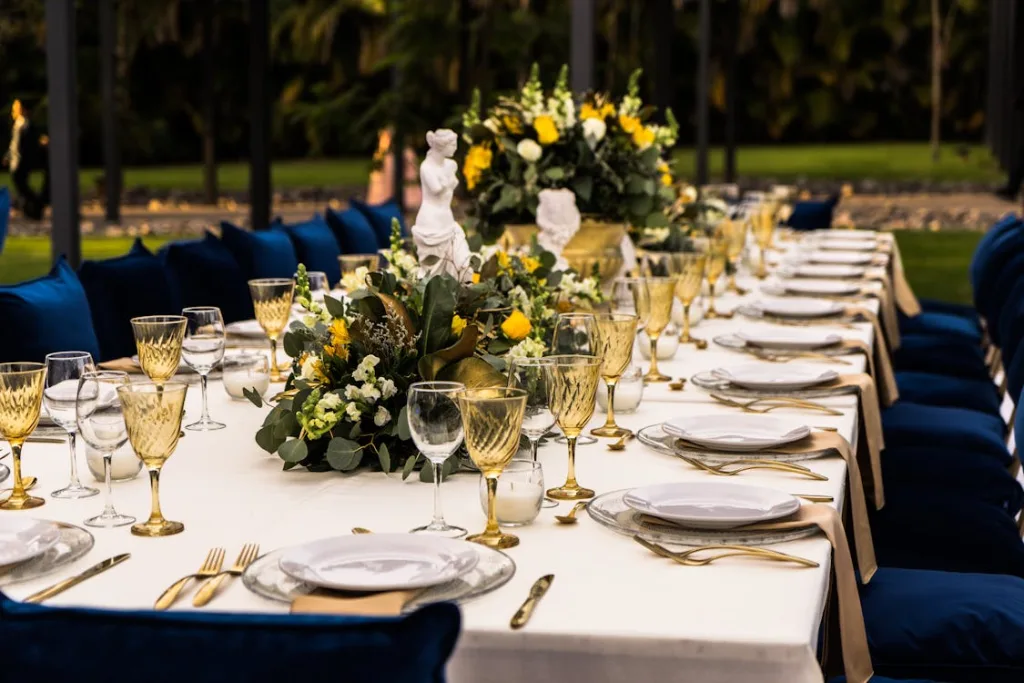
Personalization Is Shaping Smaller, More Focused Event Experiences
As expectations continue to rise, there’s a noticeable move away from designing events for the broadest possible audience. Instead, planners are focusing on creating experiences that feel more relevant to specific groups of attendees. This doesn’t necessarily mean smaller events across the board, but it does mean more intentional audience design.
The goal is to create environments where people feel like they belong, where the content resonates, and where interactions feel natural rather than forced. That shift is influencing everything from guest lists to programming to how spaces are structured.
Curated Audiences Over Mass Attendance
Rather than aiming for the highest possible attendance, many events are prioritizing the right mix of people. This leads to more meaningful interactions and stronger outcomes for both attendees and organizers.
A well-curated audience can change the entire dynamic of an event. Conversations become more relevant, connections form more easily, and the overall experience feels more cohesive.
Designing for Relevance Instead of Reach
Content and programming are being tailored more closely to the interests and needs of the audience. This might mean offering specialized tracks, creating targeted sessions, or designing experiences that align with specific industries or roles.
The result is a more engaging environment where attendees feel like their time is being used well. That level of relevance often leads to higher satisfaction and stronger follow-through after the event.
How Personalization Drives Engagement
When attendees feel like an event was designed with them in mind, they’re more likely to participate actively. They stay longer, engage more deeply, and are more open to connecting with others.
Personalization doesn’t have to be complex to be effective. Small touches, thoughtful programming, and clear alignment with attendee expectations can make a significant difference in how an event is experienced.
Event Technology Is Getting Sharper, Not Broader
There was a period when adding more technology was seen as the path forward. New tools, platforms, and features were introduced rapidly, often without a clear plan for how they would be used. That approach is being refined as planners focus on selecting technology that directly supports their goals.
In NYC, where budgets are closely tied to outcomes, there’s less interest in experimenting with tools that don’t deliver clear value. Instead, the focus is on technology that improves efficiency, enhances engagement, and supports better decision-making.
The Shift Toward Focused, High-Impact Tools
Planners are becoming more selective in the tools they adopt. Rather than building complex tech stacks, they’re choosing solutions that integrate well and serve specific purposes.
This might include platforms that streamline registration and data management, tools that support attendee interaction, or systems that provide clear reporting on performance.
Where Planners Are Actually Investing in Tech
Investment is being directed toward areas that have a measurable impact on the event:
- Registration and data platforms that centralize attendee information
- Engagement tools that support interaction during the event
- Analytics and reporting systems that provide actionable insights
- Cost optimization tools that help manage budgets more effectively
These investments reflect a more strategic approach to technology, where each tool has a defined role.
How Tech Is Supporting Cost Control and Engagement
When used effectively, technology can help balance cost and experience. It can reduce manual work, improve communication, and provide visibility into how an event is performing in real time.
That combination allows planners to make adjustments quickly and ensure that resources are being used where they have the most impact.

NYC’s Innovation Ecosystem Is Fueling Event Evolution
The pace of change in NYC’s event industry isn’t happening in isolation. It’s being driven by a broader ecosystem of innovation that spans multiple industries. Conferences, innovation hubs, and collaborative spaces are bringing together leaders from different sectors, creating an environment where ideas move quickly and influence spreads.
For event professionals, this means that staying within the boundaries of the events industry isn’t enough. Many of the ideas shaping the future of events are coming from adjacent fields, from technology and retail to media and urban development.
Being aware of these influences helps planners anticipate changes and adapt more effectively.
What These Innovation Hubs Signal for the Future of Events
These hubs offer more than individual insights. They point to broader patterns in how events are evolving. Ideas move quickly between industries, and planners who pay attention to these signals are better positioned to adapt.
Faster Adoption Cycles
New concepts are being implemented more quickly, reducing the gap between innovation and execution. What might have taken years to gain traction now moves much faster.
New Expectations From Clients
As clients become more aware of what’s possible, their expectations increase. They look for partners who can bring fresh ideas and execute them effectively.
Increased Competitive Pressure
With more professionals adopting new approaches, the competitive landscape becomes more dynamic. Standing still is no longer a neutral position. It puts you behind.
How High-Performing Event Professionals Are Adapting
The shifts happening across NYC’s event landscape aren’t theoretical. They’re changing how top planners operate right now. The professionals who are gaining traction aren’t waiting for trends to settle or become standard. They’re adjusting early, building systems that support faster execution, and surrounding themselves with the right partners to stay competitive.
This isn’t about doing more. It’s about working smarter and being more intentional with where time and resources are spent. High-performing planners are focusing on the areas that directly impact growth while relying on better tools and stronger partnerships to handle the rest.
Building Leaner, Smarter Planning Systems
Efficiency has become a competitive advantage. Planners are simplifying their workflows, consolidating tools, and removing unnecessary friction from the planning process. Instead of juggling disconnected systems, they’re building streamlined setups that allow them to move quickly and maintain visibility across every stage of an event.
This approach makes it easier to handle multiple projects without sacrificing quality. It also creates more space for strategic thinking, which is where the real value is being delivered.
Partnering for Specialized Execution
No one is trying to do everything in-house anymore. As events become more complex, planners are leaning on specialists for areas that require deeper expertise. That includes technical production, immersive design, sustainability consulting, and advanced data management.
Working with the right partners raises the level of the final product and allows planners to focus on what they do best. It also creates more flexibility, making it easier to scale up or down depending on the needs of each project.
Balancing Experience Design With Business Outcomes
The most successful planners are finding a balance between creating compelling experiences and delivering measurable results. They’re designing events that engage attendees while also aligning with client objectives.
That balance is what sets them apart. It shows clients that they can trust not only the creative vision but also the execution and the outcomes that follow.
The Competitive Gap Is Getting Harder to Ignore
As these changes take hold, the difference between planners who are adapting and those who aren’t is becoming more visible. It shows up in the types of clients they attract, the scale of the events they produce, and the opportunities they have access to.
The gap isn’t just about creativity or experience. It’s about awareness, adaptability, and positioning. Planners who stay connected to what’s happening in the industry are able to adjust quickly. Those who operate in isolation often find themselves reacting after the fact.
What Forward-Thinking Planners Are Doing Differently
They’re paying attention to what’s working in real time. They’re investing in tools and partnerships that improve efficiency. They’re refining their approach based on data and feedback rather than relying on habit.
They’re also putting themselves in environments where they can see these changes firsthand. That exposure helps them stay aligned with where the industry is heading.
Where Others Are Falling Behind
Planners who rely on outdated processes or resist change tend to face increasing challenges. Their workflows become slower. Their offerings feel less aligned with current expectations. Over time, that impacts both client perception and event business growth.
It’s not always obvious at first, but the difference becomes more noticeable as the industry continues to evolve.
Why Staying Current Requires Proximity
Keeping up with industry shifts isn’t just about reading articles or following updates online. It requires being close to where those changes are happening. Seeing how ideas are executed, understanding how others are applying new approaches, and having conversations with people who are actively working in the space all contribute to a deeper understanding.
That kind of proximity accelerates learning and makes it easier to apply new ideas in your own work.
Where to See These Trends in Action
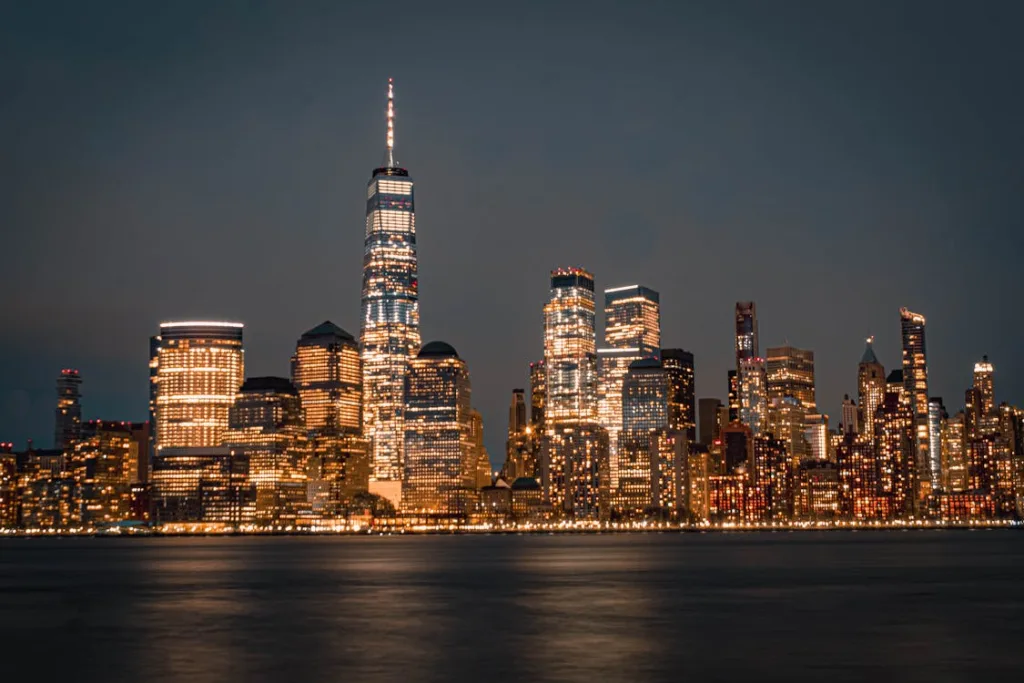
Reading about trends provides context, but seeing them applied in real environments offers a different level of clarity. It’s one thing to understand a concept and another to watch how it functions within a live event.
In NYC, there are multiple touchpoints where this happens, from innovation-focused conferences to industry gatherings. These environments give planners the opportunity to observe how different elements come together, how attendees respond, and how strategies translate into real outcomes.
Why Live Environments Still Matter
Live events create a level of visibility that’s difficult to replicate elsewhere. You can see how spaces are designed, how technology is integrated, and how people interact with different elements in real time.
That perspective helps planners make more informed decisions. It turns abstract ideas into practical insights that can be applied to future projects.
The Advantage of Seeing Execution, Not Just Theory
When you experience an event firsthand, you’re not just hearing about what works. You’re seeing it. You can identify details that might not be mentioned in a presentation or article. You can observe how different components support each other and contribute to the overall experience.
That level of insight is what allows planners to move from understanding a trend to implementing it effectively.
Why The Event Planner Expo Sits at the Center of This Shift
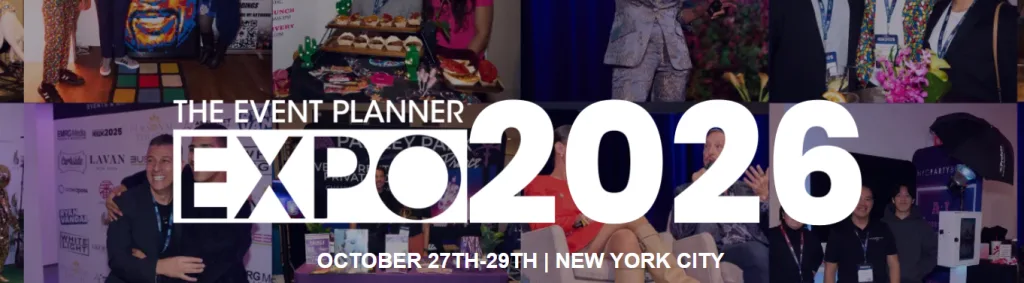
The Event Planner Expo plays a unique role within NYC’s broader innovation ecosystem. While many events focus on a specific industry or area of expertise, the Expo brings together a wide range of professionals across the event, marketing, and hospitality space. That intersection creates a dynamic environment where ideas, strategies, and partnerships come together in one place.
For planners looking to stay current, this kind of environment offers a direct line to what’s happening right now. You’re not just hearing about trends. You’re seeing how they’re being applied, how businesses are positioning themselves, and how conversations are turning into opportunities.
Where Trends Meet Real-World Application
The Expo brings together many of the elements shaping the industry. You see how operational AI is being integrated into workflows, how immersive design is being executed, and how sustainability is being incorporated into event strategy. It’s a chance to connect the dots between concepts and execution.
That visibility makes it easier to understand what’s worth paying attention to and what can be adapted to your own business.
Access to the People Driving These Changes
Beyond the ideas themselves, the Expo provides access to the people behind them. Planners, vendors, marketers, and decision-makers are all part of the same environment, sharing insights and building connections.
Those conversations add context and depth. They help you understand not just what is happening, but why and how it’s being implemented.
What This Means for Your Event Business in 2026
The direction of the event industry is becoming clearer. Efficiency, intentional design, and measurable outcomes are shaping how events are planned and evaluated. Technology is being used more strategically, and sustainability is becoming part of the foundation rather than an afterthought.
For event professionals, this creates an opportunity to refine how they work and how they position their services. It also requires a willingness to stay engaged with what’s happening around them and to adapt as expectations evolve.
Those who lean into these changes are better positioned to grow. They’re able to offer more value, operate more efficiently, and connect with clients who are looking for a higher level of execution.
Get in the Room Where These Trends Turn Into Opportunities
Staying informed is useful. Being in the right environment is what turns that information into action.
The Event Planner Expo is where many of these conversations come together. It’s where planners, brands, and partners are actively engaging with the trends shaping the industry and figuring out how to apply them in real time. If you want to keep your finger on the pulse of what’s next, this is where you need to be.
Exhibit your business, connect with professionals who are driving change, and position yourself in a space where ideas quickly turn into opportunities. The pace of this industry isn’t slowing down, and the businesses that stay closest to it are the ones that continue to move forward.