Walking onto a trade show floor is a sensory experience. Hundreds of booths are competing for attention, and you have just a few seconds to make an impression. How do you ensure your brand doesn’t just blend in, but stands out? It starts with a strategic approach to your presence. A great booth is more than just a backdrop; it’s an interactive experience that tells your story and draws people in. This guide is dedicated to helping you create a presence that captivates and converts. We’ll cover everything from eye-catching design and clear messaging to the technology that can make your space unforgettable, all beginning with the first step of securing your spot through the event tech trade show exhibitor registration.
Key Takeaways
- Lay the groundwork for success: A smooth exhibiting experience starts long before the event. Prepare for registration by organizing your company details, create a complete budget that accounts for all potential costs, and mark every deadline on your calendar to save money and avoid last-minute stress.
- Design a booth that starts conversations: Your booth should be an invitation to connect, not just a display. Use clear, bold messaging and an open layout to attract visitors, then incorporate interactive technology to keep them engaged and make your lead capture process seamless.
- Turn connections into conversions: The real work begins after the show. Equip your team with specific goals before the event, and then execute a prompt, personalized follow-up strategy to transform the leads you gathered into genuine business opportunities.
What is Exhibitor Registration?
Think of exhibitor registration as your official ticket to the trade show floor. It’s the process your company goes through to sign up, secure a booth, and get ready to showcase your products and services to a highly targeted audience. This is your first, most crucial step toward connecting with potential customers, industry peers, and influential decision-makers all under one roof. It’s more than just filling out a form; it’s your commitment to putting your brand front and center.
Successfully completing your registration ensures you have a physical space to engage with attendees, generate leads, and build valuable relationships. It’s the foundational move that sets the stage for every handshake, every product demo, and every new partnership you’ll form at the event. For a premier conference like The Event Planner Expo, this process is your gateway to a room full of corporate executives and event professionals actively looking for new partners and solutions. These are the people who can make a real difference for your business. When you decide to exhibit with us, you’re not just booking a spot. You’re investing in a powerful opportunity to grow your business and make a lasting impression on the people who matter most.
The Registration Process, Explained
The registration process is usually straightforward, but it helps to know what to expect. It typically starts with selecting your preferred booth space from a floor plan. Once you’ve picked your spot, you’ll complete the necessary application forms with your company’s information and details about what you plan to showcase. The final step is submitting payment to officially reserve your booth.
To make everything go smoothly, have your company details, logo, and payment information ready beforehand. This preparation helps you avoid common issues like technical glitches or delays. To get a better sense of the event and its layout, you can learn more about the expo before you begin the registration process.
Choosing Your Exhibitor Package
Selecting the right exhibitor package depends entirely on your goals. Before you choose, consider what you want to achieve. Are you looking for maximum visibility or focused conversations? Your answer will guide your decision on booth size and location. Packages often include more than just floor space; many come with perks like marketing support, lead retrieval tools, and access to exclusive networking events.
While costs can range, it’s helpful to view it as an investment in your brand’s growth. Don’t assume it’s out of reach. Many events offer various tiers, and you can often find a package that fits your budget and objectives. Exploring different sponsorship opportunities can also reveal options with added value.
Why Exhibit at a Trade Show?
Deciding where to invest your marketing budget can feel overwhelming, but some opportunities deliver value far beyond a simple line item. Exhibiting at a trade show is one of them. It’s a strategic move that puts your brand, your products, and your team directly in front of the people who matter most to your business. While digital marketing is essential, nothing replaces the power of a face-to-face conversation and a firm handshake. This is where real relationships are built and deals get done.
Trade shows are a unique environment where your target audience is gathered in one place, all with the shared goal of discovering new solutions and making connections. Instead of spending months trying to get a foot in the door, you get dedicated time with hundreds of potential clients in just a few days. It’s an incredible opportunity to generate leads, build brand awareness, and get a real-time pulse on the industry. You’ll gain immediate feedback on your offerings and hear firsthand what your customers are looking for. If you’re ready to make a significant impact and build momentum for your business, it’s time to become an exhibitor and see the results for yourself.
Increase Your Brand’s Visibility
In a crowded market, standing out is everything. Exhibiting at a trade show is a powerful way to increase your brand’s visibility and make a memorable impression. It gives you a physical platform to tell your story and show what makes you different. You’re not just another email in a crowded inbox; you’re a living, breathing part of the industry’s main event. This is your chance to capture the attention of a highly targeted audience actively looking for new ideas and partners. Being present alongside other top-tier exhibitors also positions your brand as a serious player in the field.
Connect Directly with Qualified Prospects
One of the biggest advantages of a trade show is the quality of the attendees. These aren’t random leads; they are professionals who have invested their time and money to be there. Exhibiting allows you to connect directly with qualified prospects, many of whom are decision-makers and key influencers within their companies. Every conversation you have is with someone who is already interested in your industry and actively seeking solutions. This direct access shortens the sales cycle and allows you to build genuine relationships with people who have the authority to make purchasing decisions.
Showcase Your Products in Person
A website can tell people what you do, but a live demonstration can show them. Trade shows provide an invaluable opportunity to showcase your products in person, letting potential customers see, touch, and experience your offerings firsthand. This hands-on interaction is incredibly persuasive. You can answer questions on the spot, address specific pain points, and let your product’s quality speak for itself. This direct engagement builds trust and helps prospects truly understand the value you provide, making them much more likely to convert from curious attendees to loyal customers.
Network with Industry Leaders
Beyond generating leads, trade shows are hubs for industry innovation and collaboration. Networking with industry leaders is one of the most important benefits of exhibiting. These events bring together professionals from every corner of the events world, giving you a chance to build relationships that extend far beyond the sales floor. You can connect with potential partners, meet influential speakers, and gain insights from seasoned experts. These connections can lead to new business opportunities, strategic collaborations, and a deeper understanding of where the industry is headed.
How the Exhibitor Registration Process Works
Signing up to be an exhibitor might seem like a huge task, but it’s usually a straightforward process. Most major trade shows have refined their registration to be as smooth as possible, guiding you from one step to the next. Think of it as a three-part journey: completing the online application, gathering your essential documents, and then receiving your confirmation and next steps. Each stage is designed to collect the necessary information to get your booth confirmed and ensure you have everything you need for a successful show. It’s less about jumping through hoops and more about a clear, organized path to getting your brand on the show floor.
The key is to be prepared. Before you even start filling out forms, take some time to review the event’s exhibitor information page. This is where you’ll find details on booth packages, pricing, and important deadlines. Knowing what’s required ahead of time will help you move through the process without any hitches. This proactive approach saves you from scrambling for information later and lets you make informed decisions about your investment. If you’re ready to exhibit at The Event Planner Expo, having your information organized will make registration a breeze, letting you focus on the exciting part: planning your booth experience and connecting with potential clients.
Using Online Registration Platforms
The first step to securing your spot is completing the online application. Most events use a dedicated registration platform to manage exhibitor sign-ups. You’ll typically find a link on the event website that directs you to the form. The initial registration is designed to be a simple process where you provide basic information about your company and select your preferred exhibitor package.
Make sure you fill out every field accurately, as this information will be used for your event directory listing and official communications. This is also where you’ll choose your booth size and any add-on services, like electricity or internet access. Once you’re ready, you can start your application and lock in your space. A smooth registration is the first step toward a great event experience.
Gathering Your Required Documents
To make the application process seamless, it’s a good idea to have all your required information ready to go. You’ll need standard company details, including your business name, address, website, and a primary contact person. You should also prepare a concise company description and a high-resolution logo, as these will be featured in the event guide and on the website. Take a look at the current list of exhibitors to see how this information is displayed.
Don’t forget to clarify how many exhibitor passes are included with your booth package. This is important for planning which team members will be working at the event. Having all these details on hand before you begin will save you time and help you avoid having to stop and search for information midway through the process.
What to Expect After You Apply
Once you’ve submitted your application and payment, you’ll receive a confirmation email. This is your official receipt and proof of registration, so be sure to save it. This email is your gateway to the next phase of planning. Soon after, you can expect to receive confirmation of your booth space assignment and an exhibitor kit or manual.
This manual is your guide to the event. It contains critical details about the event schedule, setup and breakdown times, shipping instructions, and deadlines for ordering services. Read through it carefully and mark all important dates on your calendar. This information will help you plan your logistics and ensure your team is fully prepared for the show.
The Real Cost of Exhibiting at a Trade Show
Exhibiting at a trade show is a powerful investment in your brand’s growth, but it’s important to go in with a clear understanding of the costs involved. Planning your budget is about more than just the price of your booth; it’s about accounting for all the elements that contribute to a successful presence. By breaking down the expenses, you can make informed decisions, avoid surprises, and focus your resources on what matters most: connecting with your ideal customers. Let’s walk through the real costs so you can build a budget that sets you up for a fantastic return on your investment.
Booth Space and Registration Fees
Your booth space rental is the foundation of your trade show budget, and every other cost scales with the size and location you choose. A larger booth or a prime spot near the entrance will naturally come with a higher price tag, but it also offers more visibility. When you choose to exhibit, you’ll see options for different booth sizes, like a standard 10×10 or a larger island space. The initial registration fee secures your spot on the floor, so think of this as the first and most important line item in your budget.
Watch Out for Hidden Costs
The fee for your booth space is just the beginning. To create a functional and inviting environment, you’ll need to account for several additional services. Many first-time exhibitors are surprised by extra charges for essentials like carpet, electricity, and internet access. You may also need to budget for furniture rentals, shipping your materials to the venue, and lead capture tools to collect contact information efficiently. Always review the exhibitor services manual provided by the event organizers. This document is your guide to all the potential trade show costs and will help you avoid any last-minute financial surprises.
How to Save with Early Bird Rates
A little planning goes a long way in making your trade show budget more manageable. One of the easiest ways to save is by taking advantage of early bird registration rates. Booking your booth space well in advance often comes with a significant discount. The same principle applies to show services; ordering things like electricity and furniture before the advance deadlines can save you from paying higher, on-site prices. You can also consider renting your exhibit instead of buying it. This can reduce upfront costs, as well as expenses related to shipping, storage, and maintenance between shows.
Common Misconceptions About Cost
It’s easy to look at the initial numbers and think a trade show is too expensive, but that’s a common myth. A well-planned exhibit is a strategic investment that can generate highly qualified leads and build brand authority. Another misconception is that renting an exhibit costs more than owning one in the long run. However, renting offers flexibility and can be more cost-effective, especially if you want to test different booth designs or only exhibit a few times a year. Instead of viewing it as a cost, think of it as a powerful marketing channel with a direct line to your target audience.
Key Deadlines and Timelines to Know
Exhibiting at a trade show involves juggling a lot of moving parts, and missing a single deadline can cause a domino effect of stress and extra costs. Staying organized is your best defense against last-minute chaos. Think of it as your roadmap to a smooth and successful event. By mapping out key dates for registration, payments, and booth logistics well in advance, you can focus your energy on what really matters: connecting with attendees and growing your business.
This proactive approach helps you avoid rush fees, secure better booth placement, and ensure all your materials arrive on time. It also gives your team peace of mind, allowing them to prepare their pitches and engagement strategies instead of scrambling to solve logistical problems. A well-managed timeline is the foundation of a strong trade show presence, setting you up to make a great impression from the moment you arrive.
Mark Your Calendar with Cutoff Dates
One thing about trade shows is that they run on very tight schedules. Organizers provide specific windows for everything, and these dates are rarely flexible. From securing early bird rates to submitting your final company description for the event program, every deadline matters. You’ll want to create a master calendar with all cutoff dates clearly marked. This includes deadlines for ordering booth essentials like electricity, Wi-Fi, and furniture, as these services often cost more if you order them on-site. Always check the official event schedule for the most accurate and up-to-date information so you don’t miss a thing.
Understanding Payment Schedules
Exhibiting is an investment, so it’s important to have a clear picture of the payment process from the start. Most trade shows require an initial deposit to reserve your booth space, with the remaining balance due by a specific date. Make sure you know these dates and have them factored into your budget. Missing a payment deadline could mean forfeiting your spot, so it’s a date you definitely don’t want to overlook. You can usually find detailed information about costs and payment timelines when you look into how to exhibit at the show, which helps you plan your finances accordingly.
Planning Your Booth Setup and Breakdown
Your booth is your home base for the event, but you only have a limited time to get it ready. Exhibitors are typically given a specific timeframe for move-in and setup, often starting the day before the show opens. For example, you might have from 8:00 am to 6:00 pm to build your space. The same goes for breakdown, or move-out, which happens immediately after the show closes. If you have a complex booth, consider working with a professional installation company to keep the process efficient and stress-free. Planning your setup and breakdown logistics ahead of time ensures you’re ready to go when the doors open.
Common Registration Challenges (and How to Solve Them)
Even the most seasoned exhibitors can hit a few bumps on the road to registration. The key is knowing what to look for and how to handle these common hurdles. From confusing forms to last-minute scrambles, a little preparation goes a long way in making the process smooth and stress-free. When you can get through registration without a headache, you can focus your energy on what really matters: designing a standout booth and preparing your team for success. Let’s walk through some of the most frequent challenges and, more importantly, how to solve them so you can secure your spot with confidence.
Solving Technical Glitches
There’s nothing more frustrating than a website crashing right when you’re about to confirm your booth. Technical glitches, whether it’s a broken link, a faulty payment processor, or a form that won’t submit, can stop your registration in its tracks. The best way to handle this is to be proactive. Before you start, make sure your internet connection is stable and your browser is up to date. If you run into an issue, take a screenshot, and contact the event organizers immediately. A well-run event, like The Event Planner Expo, will have a responsive support team ready to help you troubleshoot and complete your application.
Dealing with Complex Forms
You’re ready to sign up, but you’re met with a registration form that feels like a tax return. Overly long or confusing forms are a major deterrent for exhibitors. If a question seems irrelevant or unclear, don’t guess. Most events provide a contact person or a FAQ section to help clarify things. A streamlined registration software is often a sign of a professional event. Look for forms that are straightforward and only ask for essential information upfront. If the process feels disorganized from the start, it might be a red flag about the event itself.
The Problem with Registering Late
Procrastination can be costly when it comes to trade shows. Events operate on strict timelines, and waiting until the last minute to register can cause a cascade of problems. You might miss out on early-bird pricing, lose the chance to pick a prime booth location, or be excluded from pre-show marketing materials sent to attendees. Late registration also creates logistical stress, leaving you with less time to arrange shipping, book travel, and prepare your team. To avoid this, mark the registration deadlines on your calendar as soon as they’re announced and aim to complete your application well ahead of the cutoff date.
Clarifying Unclear Requirements
“What are the exact dimensions for my booth?” “Do I need special insurance?” Vague requirements can create confusion and a sense of mistrust between exhibitors and organizers. A great trade show will provide a detailed exhibitor kit with clear, transparent information on everything from booth setup rules to payment schedules. Before you commit, read all the provided materials carefully. If anything is unclear, don’t hesitate to reach out to the event organizers for clarification. Building a good relationship with the event team starts with open communication, ensuring you have all the details needed for a successful exhibitor experience.
Choosing the Right Tech for Your Booth
The right technology can transform your trade show booth from a static display into a dynamic experience. It’s not about having the flashiest gadgets; it’s about using smart tools to connect with attendees, communicate your message, and streamline your operations. When you integrate technology thoughtfully, you create a more engaging and memorable brand presence that helps you stand out on a crowded expo floor.
From interactive screens that draw people in to lead capture apps that make follow-up a breeze, your tech stack is a critical part of your event strategy. Think of it as your silent partner, working behind the scenes to help you achieve your goals. Let’s walk through the key areas where technology can make the biggest impact, ensuring you attract the right people and leave a lasting impression.
Engage Attendees with Interactive Displays
A passive booth is an invisible booth. To capture attention, you need to give attendees a reason to stop and interact. This is where interactive displays come in. Instead of just showing people what you do, let them experience it. Consider setting up a large touchscreen with a product demo, an educational game related to your industry, or a fun quiz that reveals something about their business needs.
These activities do more than just entertain; they create an active learning environment. You could also run a photo contest or a social media challenge that encourages user-generated content right from your booth. When attendees are actively participating, they’re more likely to remember your brand long after the event ends. Check out the creative setups from past exhibitors for inspiration.
Streamline Your Lead Capture
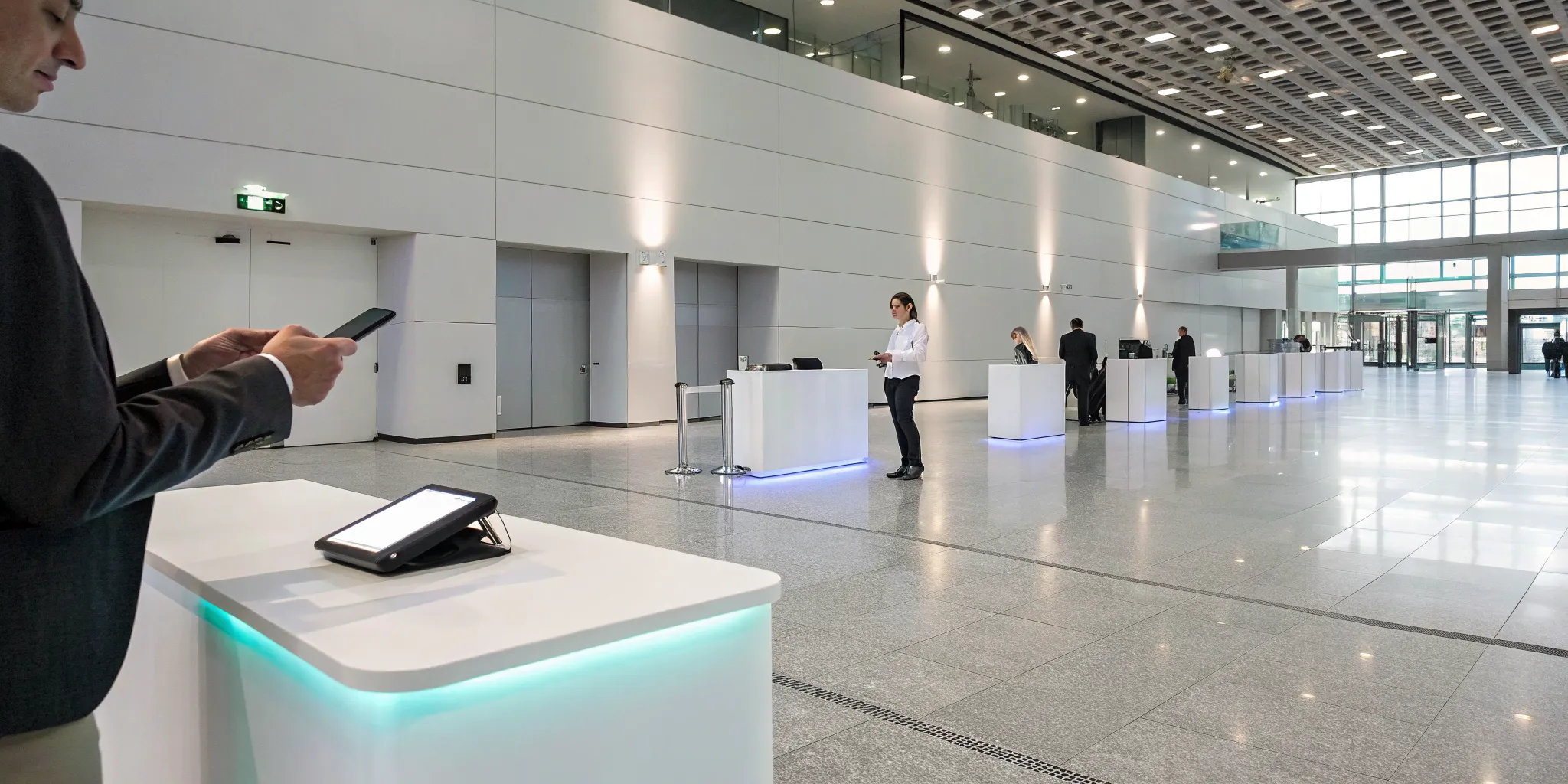
The days of collecting business cards in a fishbowl are over. Modern lead capture technology makes the process faster, more accurate, and much more effective. Using a dedicated app on a tablet or smartphone allows your team to scan badges or QR codes to instantly collect contact information. This eliminates manual data entry errors and ensures every lead is securely stored.
Many of these tools also let you qualify leads on the spot by adding notes or sorting them into predefined categories. This means your sales team can prioritize follow-ups based on who is most interested. By implementing a seamless lead capture process, you can focus on having meaningful conversations instead of fumbling with pens and paper. This simple switch can dramatically improve your post-show ROI.
Use Digital Tools for Presentations
How you present your information says a lot about your brand. Instead of relying on static posters, use digital screens to run dynamic presentations. A large monitor can loop a compelling brand video, showcase client testimonials, or display a live social media feed featuring your event hashtag. This creates movement and visual interest that naturally draws the eye.
Digital tools also give you flexibility. You can easily switch between different presentations tailored to the person you’re speaking with. Event management software can help you keep your booth’s presentation schedule organized, ensuring any live demos or talks run smoothly. A polished, professional presentation shows attendees that your brand is current and detail-oriented.
Add a Virtual Engagement Component
Even at a live event, a virtual component can extend your reach and deepen engagement. Not everyone who is interested in your brand will be able to attend in person, so creating a way for them to participate is a smart move. You can live-stream a product demo or a Q&A session with one of your experts directly from the booth.
Another simple tactic is to use QR codes that link to exclusive digital content, like a whitepaper, a case study, or a special discount. This gives attendees something valuable to take with them and provides you with another touchpoint for lead capture. By bridging the physical and digital worlds, you can connect with a wider audience and make your presence felt beyond the expo hall. Many events now offer virtual tickets, making this hybrid approach more relevant than ever.
How to Design a Booth That Attracts Attendees
Your booth is more than just a space on the expo floor; it’s a physical representation of your brand. In a sea of competitors, a well-designed booth is your best tool for grabbing attention and starting meaningful conversations. It’s your chance to create an immersive experience that tells your story and shows attendees exactly how you can solve their problems. The most successful exhibitors know that great design isn’t just about looking good. It’s about creating a strategic environment that draws people in, keeps them engaged, and makes them remember you long after the event is over.
Create Eye-Catching Visuals and Clear Messaging
You have about three seconds to capture an attendee’s attention as they walk down the aisle. That’s why your visual presentation has to be sharp, bold, and instantly understandable. Use high-quality graphics, a strong color palette that reflects your brand, and lighting that makes your space pop. Most importantly, your messaging needs to be crystal clear. A single, powerful headline that communicates your value proposition is far more effective than a wall of text. Think about what problem you solve and for whom, then distill it into a few compelling words. Your goal is to make someone stop, turn their head, and think, “That’s for me.”
Design an Interactive and Welcoming Space
The best booths invite people to step inside and stay a while. Instead of creating a barrier with a table at the front, design an open and welcoming layout that encourages exploration. Incorporate interactive elements that let attendees experience your brand firsthand. This could be a live product demo, a touchscreen display with case studies, or even a fun game related to your industry. Think about creating an experience, not just a display. Simple touches, like a charging station for phones or a comfortable place to sit, can make your booth a popular destination and give your team more time to connect with prospects.
Plan Strategic Giveaways and Engagement Tactics
Move beyond the standard pens and stress balls. A strategic giveaway is one that’s memorable, useful, and directly related to your brand. It should attract qualified leads, not just people looking for free stuff. Consider offering a high-value item in a raffle for those who provide their contact information, or give away a branded tool that your target audience will actually use. You can also build buzz with engagement tactics like a social media photo contest or a live poll. These activities not only draw a crowd but also extend your reach as attendees share their experiences with their online networks. The top sponsors often excel at this, creating memorable brand interactions.
How to Prepare Your Team for Success
Your booth is designed, your registration is complete, and you’re ready for the big event. But the real magic happens when your team interacts with attendees. A well-prepared team can turn a casual conversation into a valuable business connection. Success at a trade show isn’t just about showing up; it’s about executing a clear plan. This means everyone on your team knows their role, understands the goals, and feels confident engaging with the industry’s best.
Preparing your team is the final, crucial step to making sure your investment pays off. From pre-show marketing to lead qualification, a unified strategy ensures you’re not just collecting business cards but building relationships. Let’s walk through how to get your team aligned and ready to make a lasting impression on the expo floor.
Train Your Staff and Assign Roles
Your booth staff are the face of your brand, so setting them up for success is essential. Without a clear plan, they might miss opportunities to connect with prospective customers. Start by defining specific roles. Who will be the greeter that draws people in? Who is the expert running the product demos? Who is responsible for scanning badges and capturing lead information? Assigning roles prevents confusion and ensures every visitor gets a great experience.
Next, hold a pre-show training session. Go over key talking points, your main value proposition, and the goals for the event. It’s also helpful to create a list of frequently asked questions with approved answers. A little role-playing can go a long way in building confidence. When your team feels prepared, they can focus on having meaningful conversations with the top-tier speakers and attendees at the show.
Develop a Pre-Show Marketing Plan
Don’t wait until the doors open to start generating buzz. A solid pre-show marketing plan helps you build momentum and drives traffic directly to your booth. Start by letting your network know you’ll be at the event. Announce your participation on social media, send an email campaign to your subscribers, and encourage your team to share the news with their own connections.
Use the event’s official hashtags to join the conversation early and connect with attendees before the show even begins. You can also look through the list of other exhibitors to identify potential partners for cross-promotion. Consider reaching out to key prospects to schedule brief meetings at your booth. This proactive approach ensures you have a steady stream of interested visitors from the moment the expo starts.
Set Clear Goals for Lead Generation
Walking away with a stack of business cards isn’t the goal. The real objective is to generate high-quality leads that can turn into new business. To do this, you need to define what a qualified lead looks like for your company. Is it someone with a specific job title, from a certain industry, or with a particular need your product can solve? Establishing this criteria helps your team focus their efforts on the most promising prospects.
Set specific, measurable goals for the event. Instead of a vague target like “get more leads,” aim for something concrete, such as “schedule 15 post-show demos” or “collect 75 qualified leads from enterprise companies.” Your lead quality is a direct result of your pre-show planning and staff training. When your team knows exactly who they’re looking for, they can more effectively engage attendees and fill your pipeline with valuable opportunities.
How to Maximize ROI After the Event
The trade show might be over, but your work isn’t. The days and weeks following the event are when you turn those promising conversations and scanned badges into real business relationships and measurable returns. A great post-show strategy is just as important as your booth design. It’s how you capitalize on the momentum you built and ensure your investment pays off. By focusing on a solid follow-up plan, carefully measuring your results, and using what you learn to prepare for the future, you can make every event a stepping stone to greater success.
Create a Strong Follow-Up Process
The single biggest mistake you can make after a trade show is waiting too long to follow up. Your new contacts met dozens of people, and your goal is to stand out. As experts from The Trade Show Network note, the quality of your leads is directly tied to timely post-show follow-up. Start by segmenting your list. Group contacts by their interest level or the specific products they discussed with your team.
Then, personalize your outreach. A generic email is easy to ignore, but a message that references your conversation shows you were listening. Aim to send your first follow-up within 24 to 48 hours. This initial touchpoint can be a simple “great to meet you” email, followed by a more detailed message or a LinkedIn connection request a few days later. Having a clear, multi-step process ensures no lead falls through the cracks.
Measure Your Performance and Collect Feedback
You can’t improve what you don’t measure. To understand the true ROI of exhibiting, you need to track key performance indicators (KPIs). Start with the basics: How many leads did you generate? What was your cost per lead? From there, track how many of those leads converted into qualified opportunities and, eventually, new customers. This data will tell you exactly what you got for your investment.
It’s also helpful to gather feedback from your team. Hold a debrief meeting to discuss what went well and what could be improved. Did the booth location work? Was staffing adequate? You can also benchmark your costs against industry averages to see how your spending compares. This combination of hard data and qualitative feedback gives you a complete picture of your performance and helps you justify your budget for future events.
Use Your Insights to Plan for Next Time
Every event is a learning opportunity. The data and feedback you’ve collected are invaluable for planning your next trade show appearance. Use these insights to make strategic decisions. For example, if you found that your interactive tech demo generated the most qualified leads, you’ll know to make it a centerpiece of your next booth. If your team felt overwhelmed during peak hours, you might decide to bring more staff next time.
This is also the time to think about the bigger picture. Did you meet your goals? Was this the right event for your brand? Answering these questions will help you refine your event strategy and choose opportunities that align with your business objectives. By treating each event as part of a continuous improvement cycle, you’ll get smarter and more effective with every show you attend, including the next Event Planner Expo.
Related Articles
- Trade Show Planning Advice Today’s Event Planners Need to Hear – The Event Planner Expo
- Innovative Trade Show Ideas to Engage Attendees | The Event Planner Expo
- Event Registration Trends: 4 Ways to Streamline the Process – The Event Planner Expo
- The Future of Event Trade Shows Is Here – The Event Planner Expo
- Event Trade Shows: What Event Sponsors Want – The Event Planner Expo
Frequently Asked Questions
How much should I budget for a trade show beyond the booth fee? A good rule of thumb is to plan for your total investment to be about three times the cost of your booth space. This extra budget will cover essential expenses like shipping your materials, renting furniture, electricity, internet access, and any tech you plan to use. It also includes your team’s travel and lodging, marketing materials like flyers or brochures, and any fun giveaways you plan to offer. Thinking about these costs early helps you create a realistic budget and avoid any last-minute financial stress.
I’m exhibiting for the first time. What’s the single most important thing to focus on? If you’re new to exhibiting, my best advice is to set one clear, primary goal and build your entire strategy around it. Instead of trying to do everything, decide what matters most. Is it generating a specific number of qualified leads? Is it building brand awareness in a new market? Or is it scheduling demos with key decision-makers? When you have one main objective, it becomes much easier to design your booth, train your team, and measure your success.
How do I actually measure the ROI of exhibiting at a trade show? Measuring your return on investment starts with tracking your leads. Use a lead capture app to count how many contacts you make and calculate your cost per lead by dividing your total event spend by that number. After the show, you’ll need to track how many of those leads convert into meetings, demos, and eventually, paying customers. This process can take a few months, so be patient. The goal is to connect your event spending directly to the new business it generates.
How important is my booth location on the show floor? A prime location near the entrance or a main aisle certainly helps with foot traffic, but it isn’t the only factor for success. A well-designed booth with a clear message and a proactive team can draw a crowd from anywhere on the floor. If you don’t get a corner spot, focus your energy on a strong pre-show marketing plan to let people know where to find you. A great strategy will always outperform a great location that has a poor strategy.
What’s the best way to follow up with leads after the show? The key is to be prompt, personal, and persistent without being annoying. Send your first email within 24 hours of the show. Keep it simple: just a quick note saying it was great to meet them and referencing something specific from your conversation. A few days later, follow up with a more valuable message, perhaps linking to a resource or suggesting a time to connect. This two-step approach feels helpful, not pushy, and keeps the conversation going.
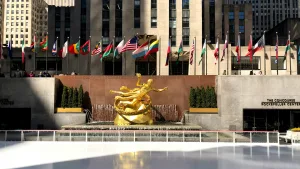
One great event can fuel a year of business. One smart booth can fuel your pipeline even longer. If you’re ready to be seen, remembered, and booked by NYC’s most active planners, it starts here.
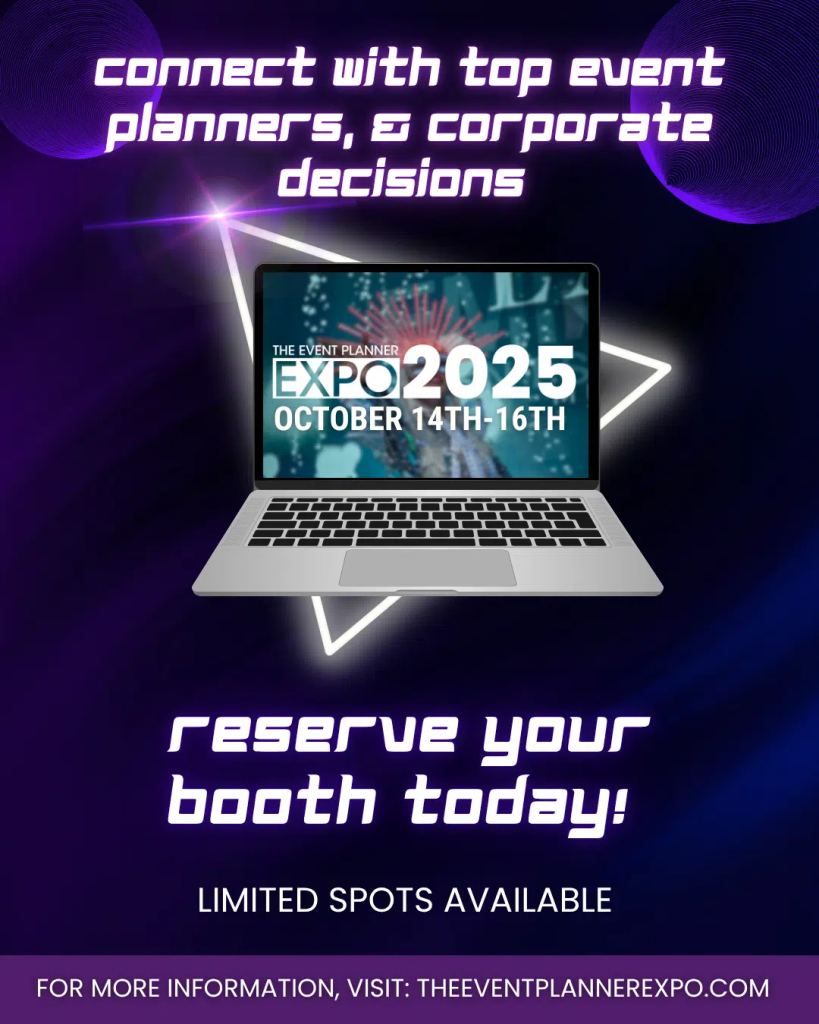
Reserve your booth while spaces are available at The Event Planner Expo and put your brand where decisions are made.