Walking into a conference with 2,000 attendees can feel overwhelming. Hundreds of conversations are happening around you, exhibitors are competing for attention, and speakers are delivering insights from every stage. Without a clear plan, most professionals leave with a pocket full of business cards and zero meaningful connections. The difference between attendees who build lasting partnerships and those who collect dust-covered contacts comes down to one thing: a structured approach to event networking strategies at conferences.
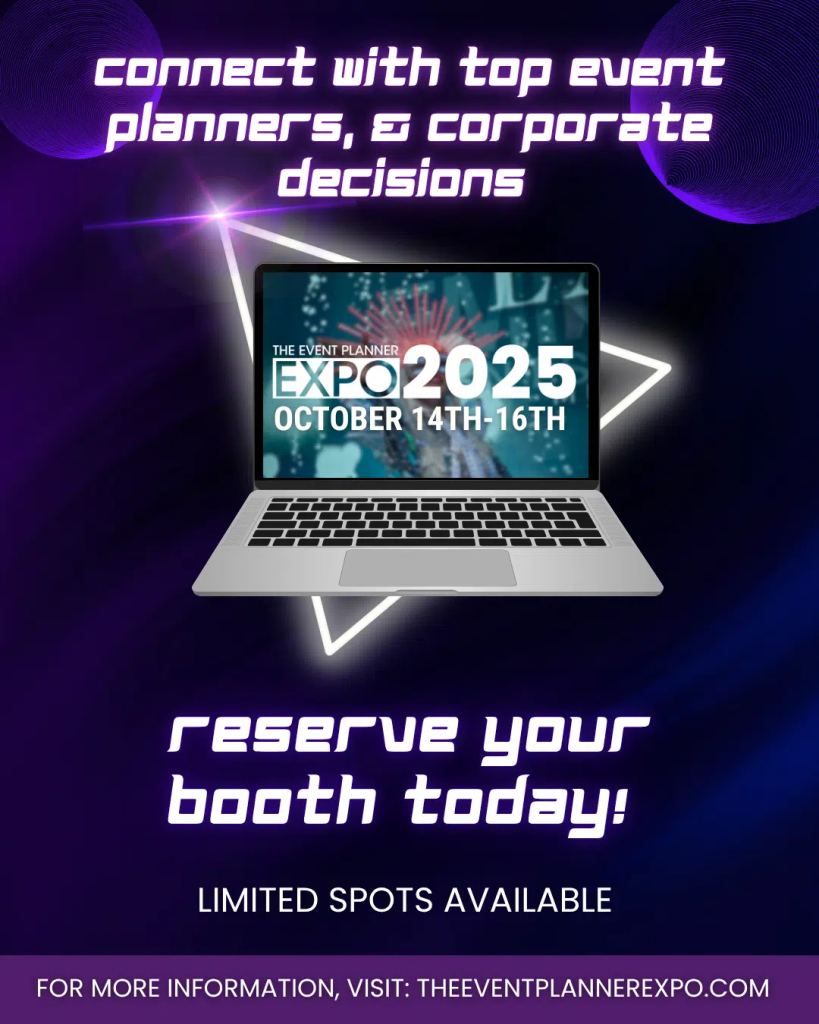
If you want to practice these networking strategies with event professionals and decision-makers, attend The Event Planner Expo in New York City.
Why Strategic Networking at Conferences Matters More Than Ever
Conference networking is not about collecting the most contacts. It is about building relationships that generate revenue, referrals, and long-term partnerships. Research consistently shows that 85% of jobs and business opportunities come through personal connections, yet most conference attendees spend their time passively sitting in sessions rather than actively building relationships.
The event planning industry is relationship-driven by nature. Whether you are a corporate event planner managing a $2 million annual budget, an independent event business owner seeking vendor partnerships, or a marketing professional integrating experiential strategies, the connections you make at event industry conferences in NYC directly impact your bottom line. The professionals who approach conference networking with intention consistently outperform those who leave it to chance.
What separates productive networkers from everyone else is a systematic framework that covers three phases: preparation before the event, execution during the conference, and follow-up after you leave.
How to Prepare for Conference Networking Before You Arrive
Effective event networking strategies start weeks before you walk through the conference doors. The preparation phase is where most professionals fall short, and it is also where the highest-impact opportunities live.
Research Attendees, Speakers, and Exhibitors
Start by identifying 10 to 15 specific people you want to connect with at the conference. Review the speaker lineup, exhibitor list, and attendee directory if one is available. Most major conferences, including The Event Planner Expo, publish their exhibitor lists in advance so you can research vendors and plan your trade show floor route strategically.
For each target connection, note their company, role, recent work, and one specific reason you want to meet them. This research transforms your opening conversation from a generic “What do you do?” into a meaningful dialogue: “I saw your team produced the Morgan Stanley launch event last quarter. How did you handle the hybrid streaming component?”
Set Clear Networking Goals
Define what success looks like before you arrive. Vague goals like “meet new people” produce vague results. Instead, set specific objectives:
- Identify three potential vendor partners for Q4 corporate events
- Connect with two speakers for potential collaboration or mentorship
- Schedule five post-conference meetings with decision-makers
- Gather competitive intelligence from three exhibitor demonstrations
When you choose which event trade show to attend, align your networking goals with the conference audience. A conference drawing 2,500 corporate event planners and executives offers different networking outcomes than a 200-person regional meetup.
Prepare Your Personal Introduction
Craft a 15-second introduction that communicates who you serve, what problem you solve, and what makes your approach different. Avoid industry jargon and focus on outcomes. Instead of “I’m a full-service event production company,” try “I help Fortune 500 companies turn product launches into viral brand moments.”
Practice this introduction until it feels natural, not rehearsed. You will use it dozens of times over the course of a conference, and confidence in your opening line sets the tone for every conversation that follows.
Proven Networking Techniques to Use During the Conference
Once the conference begins, your preparation meets execution. The most productive networkers treat the event like a strategic operation, not a social outing.
Arrive Early and Attend Smaller Sessions
The best networking does not happen during keynote presentations. It happens in the smaller, less crowded moments: early morning registration, workshop sessions with 30 attendees instead of 300, and the transition periods between main stage events. Arriving early gives you access to speakers and exhibitors before the crowds form.
At multi-day conferences, the opening night events are often the most valuable networking opportunity of the entire week. Events like the Opening Party at The Event Planner Expo create relaxed, social atmospheres where professionals are more open to genuine conversation than they are on a busy trade show floor.
Use the “Give First” Approach
The most effective event networking strategies at conferences center on providing value before asking for anything. Lead every conversation by offering something useful: a relevant introduction, a resource recommendation, or insight from a session they missed. When you become known as someone who connects and contributes, people seek you out rather than the other way around.
This approach works especially well with networking strategies that move the needle for long-term business development. One meaningful introduction that leads to a partnership is worth more than 50 surface-level card exchanges.
Ready to network with 2,500+ event industry decision-makers? Secure your spot at The Event Planner Expo 2026 and access exclusive networking events including the VIP Networking Lounge, Opening Party, and After Party.
Master the Art of Conversation Transitions
Knowing how to gracefully enter and exit conversations is a critical networking skill that few professionals develop. To join an existing group, approach with open body language, listen for a natural pause, and contribute a relevant observation or question. To exit a conversation, use a transition phrase like “I want to make sure I connect with a few more people before the next session. Can I grab your card so we can continue this conversation?”
The goal is quality over quantity. Five substantive 10-minute conversations will produce better results than twenty 2-minute introductions. Focus on understanding the other person’s challenges, goals, and current projects before discussing your own services.
How to Maximize VIP Networking Lounges and Exclusive Events
Premium conference experiences like VIP lounges, hosted buyer programs, and invitation-only receptions represent the highest-value networking opportunities at any event. These curated environments attract senior decision-makers and create intimate settings that the main conference floor cannot replicate.
At The Event Planner Expo, the VIP Networking Lounge provides a dedicated space for meaningful conversations away from the energy of the trade show floor. The difference between general admission and VIP access is not just seating priority. It is access to a filtered audience of serious professionals who invested in the premium experience specifically because they value high-quality connections.
Strategies for VIP and Hosted Buyer Events
- Arrive within the first 30 minutes. VIP events are smaller by design, so early arrivals get more face time with key attendees before the space fills up.
- Use the exclusivity as a conversation starter. “What brought you to the VIP experience this year?” is a natural opener that signals shared investment in quality networking.
- Focus on depth over breadth. In a room of 50 pre-qualified professionals, three deep conversations are more valuable than circulating through the entire group.
- Exchange contact details in real time. Do not wait until the end of the event. When a conversation produces a potential opportunity, schedule the follow-up meeting on the spot.
For professionals looking to maximize their conference investment, corporate event planner tickets and hosted buyer programs offer structured networking with pre-matched exhibitors and sponsors, removing the guesswork from finding the right connections.
What Digital Tools Should You Use for Conference Networking?
Technology has fundamentally changed how professionals network at conferences. The days of relying solely on paper business cards are over. Modern event networking strategies at conferences integrate digital tools that streamline contact capture, automate follow-up, and help you maintain relationships long after the event ends.
Essential Networking Tech Stack
Digital business card platforms like HiHello, Popl, and Blinq let you share contact information with a QR code scan, eliminating the risk of lost or mistyped information. Most platforms integrate directly with CRM systems, so every new contact flows into your pipeline automatically. Event technology trends now include AI-powered matchmaking features built into conference apps that suggest relevant connections based on your profile, goals, and session attendance.
LinkedIn remains the most important post-conference networking tool. Connect with new contacts the same day you meet them, while the conversation is fresh. Include a personalized note referencing your discussion: “Great talking about hybrid event production at the VIP lounge today. Would love to continue the conversation about your Q4 plans.”
Note-Taking Systems That Actually Work
The single biggest networking mistake is meeting 20 people and remembering nothing about any of them three days later. Build a simple note-taking habit: after each meaningful conversation, spend 30 seconds recording the person’s name, company, what you discussed, and one specific follow-up action. Use your phone’s notes app, voice memos, or the back of their business card.
Professionals who build referral systems understand that the value of a conference contact compounds over time. The notes you take today become the foundation for personalized outreach tomorrow.
The Follow-Up Framework That Turns Contacts into Contracts
Research shows that 80% of conference connections go cold because of poor follow-up. The attendees who consistently convert conference networking into business results follow a structured post-event sequence.
The 48-Hour, 2-Week, 90-Day System
Within 48 hours: Send a personalized message to every meaningful contact. Reference something specific from your conversation. If you discussed a potential collaboration, propose a specific next step: “Can we schedule a 20-minute call next Tuesday to explore the vendor partnership we discussed?”
Within 2 weeks: Share something valuable with your top 10 contacts. This could be an article relevant to their business challenge, an introduction to someone in your network, or a follow-up on information they requested. This touchpoint reinforces your “give first” positioning and keeps the relationship active.
Within 90 days: Reach out with a business-relevant update or invitation. This might be an upcoming event, a case study showcasing work similar to what they need, or a simple check-in about the project they mentioned. The 90-day touchpoint separates serious relationship builders from one-time connectors.
The professionals who turn networking into real revenue opportunities treat follow-up as a non-negotiable part of their conference strategy, not an afterthought.
Measuring Your Networking ROI
Track specific metrics to evaluate whether your event networking strategies at conferences are producing results:
- Connections-to-meetings conversion rate: What percentage of conference contacts agreed to a post-event meeting?
- Pipeline attribution: How many qualified leads or proposals originated from conference connections?
- Referral generation: How many introductions did your conference contacts provide within 6 months?
- Revenue impact: What total revenue can be traced back to relationships that started at a specific conference?
Tracking these metrics helps you decide which conferences deserve your time and budget, and which networking approaches produce the best return. Over time, this data becomes your competitive advantage in lead generation for event companies.
Common Conference Networking Mistakes to Avoid
Even experienced professionals make networking errors that undermine their conference investment. Avoid these common pitfalls:
- Selling too early. Leading with a pitch kills conversations. Focus on understanding the other person’s needs first. Business discussions happen naturally when trust is established.
- Staying in your comfort zone. Spending the entire conference with colleagues you already know defeats the purpose. Challenge yourself to initiate at least five conversations with strangers each day.
- Skipping social events. The cocktail receptions, after parties, and informal gatherings are where real relationships form. The relaxed atmosphere lowers barriers and encourages authentic conversation.
- Neglecting your online presence. Before, during, and after the conference, your LinkedIn profile is your digital handshake. Make sure it reflects your current role, expertise, and the value you provide.
- Failing to follow up. This is the most costly mistake. Without systematic follow-up, even the best conference conversations produce zero business results.
Frequently Asked Questions
How many people should you try to network with at a conference?
Quality matters more than quantity. Aim for 5 to 10 meaningful conversations per day rather than collecting dozens of business cards. A “meaningful” conversation is one where you understand the other person’s goals, discuss a specific opportunity, and agree on a follow-up action. At a three-day conference like The Event Planner Expo, that translates to 15 to 30 high-value connections.
What is the best way to network at a conference if you are an introvert?
Introverts often excel at conference networking because they naturally gravitate toward deeper, one-on-one conversations. Prepare a list of open-ended questions in advance. Arrive early to events when the crowd is smaller. Use smaller sessions and VIP lounges rather than the packed trade show floor. Schedule breaks between networking blocks to recharge. Your preparation and listening skills are networking superpowers.
How do you network at a conference when you do not know anyone?
Start by attending the opening event or welcome reception where everyone is in “meeting mode.” Position yourself near food stations, registration areas, or session entrances where natural conversation happens. Use the conference app to identify attendees with shared interests. Ask speakers questions after their sessions. Approach groups of three or more, as they are typically more welcoming to newcomers than pairs engaged in private conversation.
What should you bring to a networking event at a conference?
Bring a fully charged phone with a digital business card app installed, a small notebook or note-taking app for post-conversation notes, a portable charger, and breath mints. If you use physical business cards, bring more than you think you need. Dress according to the event’s dress code, and wear your name badge where it is easily visible. Leave bulky bags at the hotel so you can move freely through the venue.
How soon should you follow up after meeting someone at a conference?
Send your first follow-up message within 48 hours while the conversation is still fresh in both parties’ minds. Connect on LinkedIn the same day you meet someone if possible. For high-priority contacts, send a personalized email within 24 hours proposing a specific next step. Waiting longer than a week dramatically reduces the likelihood of converting a conference connection into a business relationship.
Start Building Your Network at the Right Conference
The most effective event networking strategies for conferences combine thorough preparation, intentional execution, and disciplined follow-up. Every technique in this guide works best when you apply it at a conference designed to facilitate meaningful connections between serious professionals.
The Event Planner Expo 2026 brings together 2,500+ event professionals, 150+ exhibitors, and celebrity speakers like Daymond John and Martha Stewart for three days of education, networking, and business development in New York City. From the exclusive Opening Party to the VIP Networking Lounge and fireside sessions with industry leaders, every element is designed to help you build the connections that grow your business.
Get your tickets now and experience why top event professionals choose The Event Planner Expo as their must-attend conference of the year.