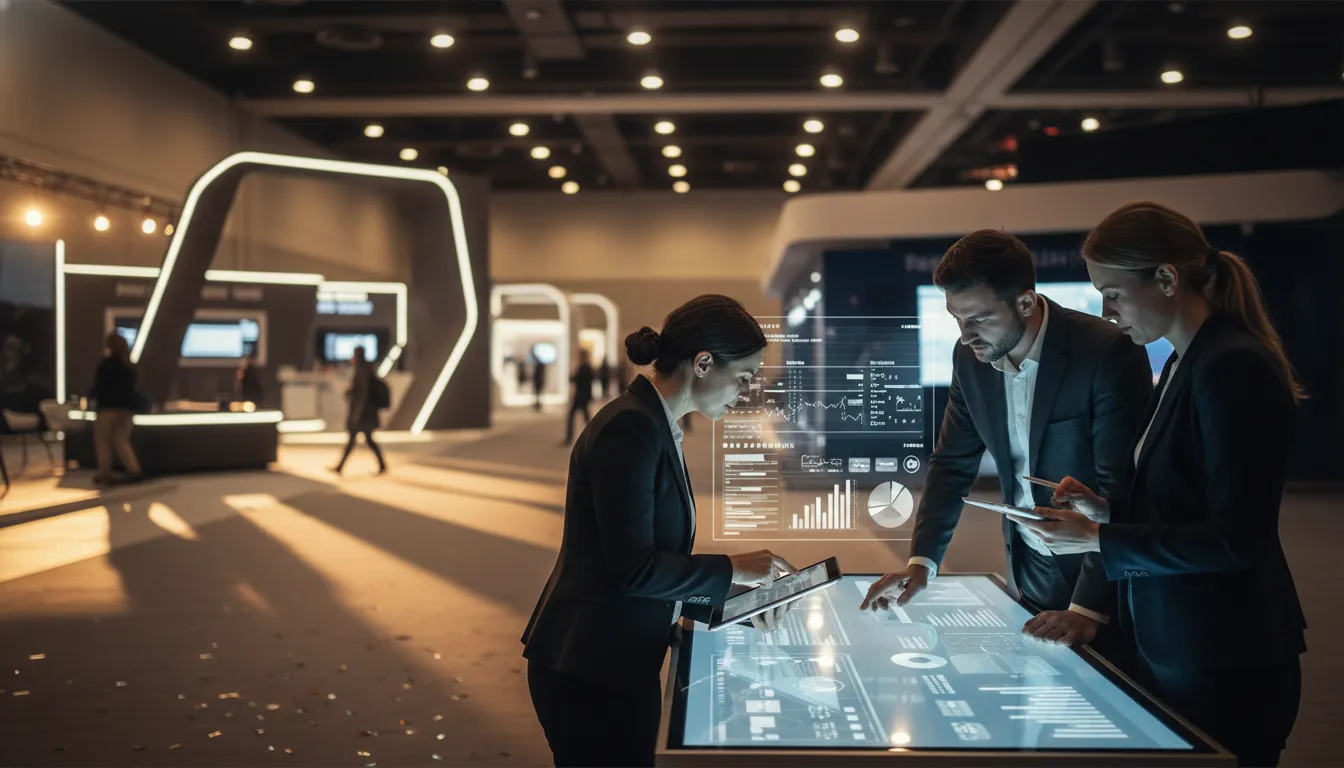
Generating leads on the expo floor is only the first step toward closing a major deal.
Become an exhibitor at The Event Planner Expo to turn event conversations into qualified sales opportunities.
Successful post-event follow-up strategies prioritize speed and personalization to convert trade show leads into actual revenue. Marketers should categorize event attendees into specific segments based on their engagement level and immediate needs within 24 hours of the show’s conclusion. High-priority prospects require direct sales outreach, while general interest leads benefit from personalized nurture sequences that provide immediate value. Effective strategies also incorporate social media recaps and ROI reporting to maintain brand visibility and demonstrate the value of the partnership. By automating the initial touchpoints and providing sales teams with detailed context from booth interactions, organizations can shorten the sales cycle significantly. This disciplined approach ensures the energy from the live event translates directly into measurable financial returns for sponsors and exhibitors alike.
Maximizing the impact of every handshake requires a system that begins the moment the expo floor closes. Transitioning from active networking to structured lead management is the only way to ensure your investment pays off. Implementing specific post-event follow-up strategies that protect event ROI allows your team to capitalize on fresh connections before the competition intervenes. Here is how.
Post-event follow-up strategies that protect event ROI
Every trade show floor is a high-stakes space for your sales team. When you meet over 2,500 attendees at The Event Planner Expo, the goal is never just to scan a badge. You are there to build a list of future clients and brand partners. A generic “thank you for coming” email often kills the momentum you built in person. These weak responses treat a high-value lead like a simple newsletter signup. To protect your return on investment, you must treat your post-event follow-up strategies as a direct part of your sales floor plan.
If you want to turn these connections into revenue, you can become an exhibitor at the next expo and put these systems into place now.
Speed to lead in B2B events
Timing is key for event lead sales. The first 24 to 48 hours after an event are when your brand is still fresh in the visitor’s mind. Industry rules suggest that following up within one or two days is the best way to keep professional connections. When you reach out quickly, you show that you value the prospect’s time and your own business growth.
Grouping leads for better conversion
Not every lead needs the same level of work. You should group your new contacts into specific tiers based on their budget and authority. For example, a marketing lead managing a million-dollar budget needs a personal call. A general visitor might only need a well-timed nurture email. This helps your team stay productive during the busy weeks after the show.
Right grouping helps you fix your event sales process by aiming your best tools at the highest-value deals. Use your notes from the show floor to add specific details to each message you send. Custom messages show that you were listening to their needs. This approach builds trust from the first touchpoint.
Building long-term momentum
Event ROI often comes from months of work rather than a single deal. Many exhibitors fail because they stop after the second email try. You need a multi-step nurture plan that gives value at every step. This might include sharing a video of a speaker or a paper on industry growth. These strategic relationships take time to grow and often lead to larger contracts.
By staying top-of-mind, you ensure that your first cost in the expo keeps paying off long after the booths are gone. Your follow-up should also reach out to sites like LinkedIn. Connecting with your new leads online helps strengthen the bond without being pushy. Share a recap of the event highlights or tag the people you met in a post about the expo’s energy.
These post-event engagement tactics keep the conversation moving while you wait for the next sales meeting. It also helps you reach the wider network of the person you just met. Every digital contact keeps your brand active in a crowded market.
How should you segment event attendees after the show?
Segment event attendees by sales readiness, buying role, booth engagement, requested next step, and revenue potential. This helps sales teams respond fastest to hot opportunities while keeping early-stage contacts in a useful nurture path.
Smart attendee grouping is the first step in your post-event follow-up strategies. You should not treat every person the same way after a busy trade show. Instead, you must sort your contacts based on what they need. This plan helps you send the right note to the right person at the best time. Good sorting makes sure your sales team works on the best leads first.
Categorize by buyer intent and booth activity
Your first step is to look at how people talked with your team during the expo. Some visitors may have spent twenty minutes watching a demo. Others might have only stopped by for a quick scan of their badge. You should flag leads who asked specific questions about your services. These people are often ready for a direct sales call rather than a simple email.
Seeing which talks a person joined also shows what they like. If someone attended a deep-dive talk on vendor efficiency, they likely have a specific problem to solve. You can use these facts to change your outreach. Mentioning a specific topic from the show proves you were paying attention. This kind of personalized follow-up is a great way to stand out in a full inbox.
Organize leads by job role and account priority
You also need to segment your list by the role of the person. A top executive has different goals than a junior event planner. Leaders often look for ways to grow and find long-term value. Meanwhile, managers might focus on the daily tools they need to fix your event sales process. Sending the same deck to both groups is a missed chance for your brand.
Account priority is another key way to filter your list after the show. Use your data to find people from your most important accounts. These guests should move to the top of your follow-up list. High-priority leads often need more than just one email. By focusing on strategic relationships, you can turn a single meeting into a major contract.
Group by requested next steps
The final layer of sorting should focus on what the person asked for during the event. Some people want a price quote. Others just want a digital copy of your book. Meeting these specific needs fast is vital for keeping the momentum. You can use a simple list to help your team sort through these diverse needs.
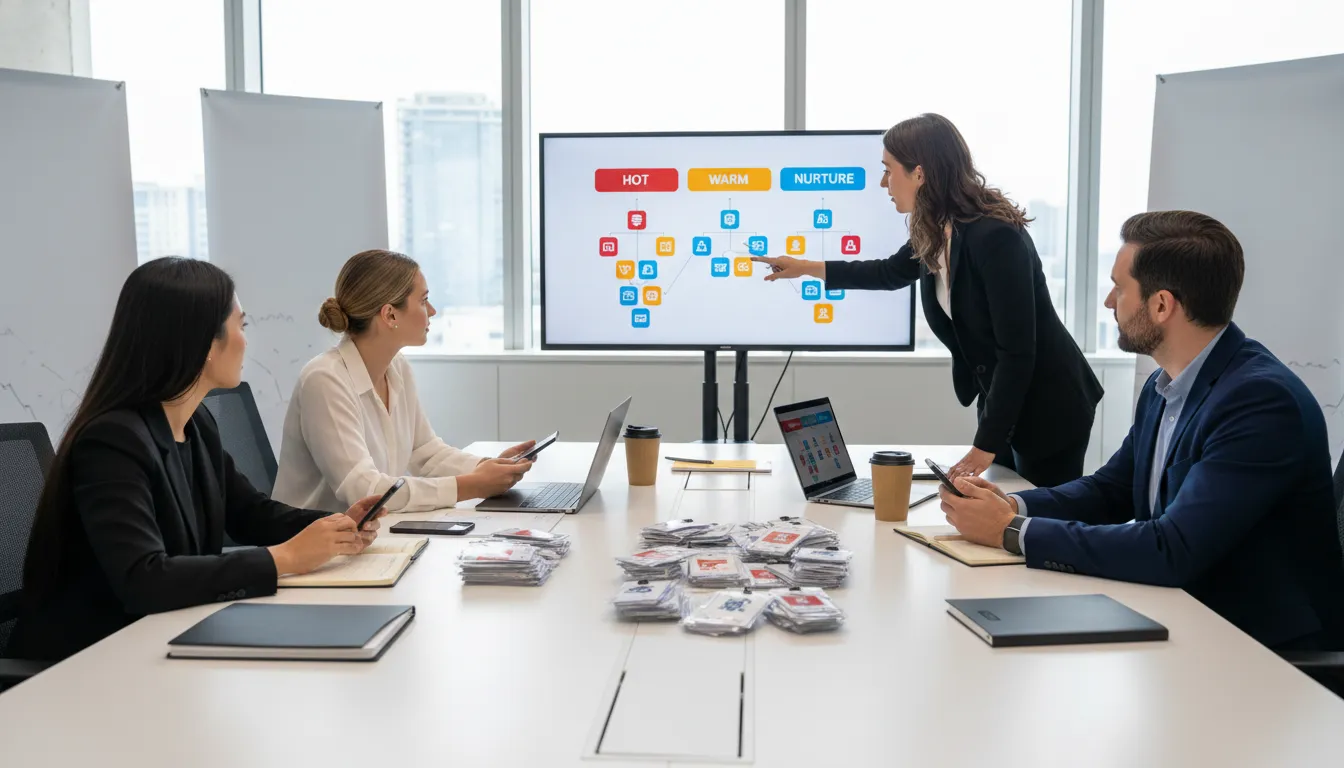
- Hot leads: Asked for a demo or a meeting within the next week.
- Warm leads: Signed up for a newsletter or asked for more product info.
- Information seekers: Took a handout but did not ask for a sales call.
- Existing partners: Current clients who stopped by to say hello or talk about new features.
Sorting your list this way stops your team from getting tired and keeps your pipeline clean. It lets you automate the easy tasks and save your best staff for the big deals. Most importantly, it keeps the excitement from the show alive as you move toward a sale.
What should happen in the first 24 hours?
In the first 24 hours, clean the lead list, route priority contacts to sales. Send a personalized thank-you, log booth notes in the CRM, and schedule next-step reminders before the event energy fades.
The first day after a trade show is the most important time for your sales team. This short window is when memories of your brand are fresh and the energy from the event floor is still high. If you wait too long to reach out, your leads may lose interest or move on to a competitor. Quick post-event follow-up strategies turn brief booth visits into real business growth.
A quick workflow for lead management
Speed is the most important part of any event plan. You need a clear process to move from a pile of business cards to a set of active sales calls. Successful exhibitors use the first 24 hours to organize their data and start the first wave of outreach. Following a set order ensures that no high-value contact falls through the cracks.
- Clean and sync your data. Upload all scanned leads into your CRM system immediately. Check for typos in email addresses and remove any duplicate entries to keep your list accurate.
- Assign lead owners. Give each lead to a specific salesperson or account manager. Clearly defined ownership prevents multiple people from contacting the same lead or leaving them without a response.
- Send first-touch emails. Reach out with a short, personalized thank-you note. Mention a specific topic you discussed at the booth to show you were listening to their needs.
- Connect on LinkedIn. Find your new contacts on professional social networks to stay top-of-mind. Adding a personal message to your invite helps you follow up on the conversation effectively.
- Route hot leads to sales. Identify the contacts who showed the most interest or have the largest budgets. Pass these leads to your top closers right away for a more direct sales talk.
- Document next steps. Set a task in your CRM for the next action. Whether it is a demo or a phone call, having a clear plan keeps the momentum moving forward.
Personalizing your initial reach
Generic emails often get ignored in a crowded inbox. You must show that you understand the person’s unique business challenges to stand out. Mentioning a specific talk or a celebrity speaker from the event can help build a connection quickly. This personal touch is the foundation of strategic relationships that last for years.
Your team should focus on the quality of the interaction rather than the volume of messages sent. Use the notes taken during the event to tailor each message. This approach helps your brand stay relevant as the post-show buzz begins to fade. It also sets the stage for more meaningful discussions about how your services can help their business grow.
Increasing revenue through better routing
Not every lead is ready to buy immediately after a conference. Some contacts need more time to learn about your brand through post-event engagement tactics that provide value over time. Other leads are “hot” and need a fast track to a contract or a formal proposal. Separating these two groups is an important part of your internal workflow.
If your team struggles to turn booth visits into sales, it may be time to fix your event sales process with better lead scoring. By ranking leads based on their level of interest, you can spend your time where it counts the most. This ensures your sales force is always working on the most promising opportunities first.
Turn event notes into sales enablement
The real value of attending the Expo lies in the data you bring home. You meet many potential partners, but those talks only drive growth if you capture the details. Changing booth notes into active sales tools keeps your teams on the same page after the show ends. When you use your notes to fix your event sales process, you turn brief talks into long-term sales.
Build better sales scripts
Your booth notes often have the exact words your customers use to describe their needs. Marketing teams should scan these notes for common themes and questions. You can use these facts to update your sales scripts and email forms. Personal messages show that you listened to their goals during the event. Data from the Export-Import Bank of the United States shows that firms following up within 24 hours are 60% more likely to close a deal than those who wait.
Update CRM fields and account briefs
Raw notes should not sit in a notebook or a file. You need to move attendee details into your CRM fast to keep the lead warm. Create specific fields for data like budget cycles or vendor issues found in your meeting notes. This data lets your sales team build deep strategic relationships instead of sending basic messages. A clear account brief helps a sales rep know the context of the first talk before they call.
Drive personalized outreach
Basic follow-up notes often get ignored because they lack a personal touch. Use your notes to mention a specific topic you talked about at the Expo. The U.S. Department of Commerce says you should use notes to reference a buyer’s specific names and needs in your note. This proves your value and keeps your brand at the top of their mind. When your note feels like a part of a live talk, you have a better chance of booking a new meeting.
Use nurture emails and social recaps to keep momentum alive
The energy of a live show can fade fast once your team leaves the venue. To stop this, you must use nurture emails and social recaps as part of your post-event follow-up strategies. These tools help you stay in front of the 2,500+ attendees who visit the expo each year. By sharing value early, you prove your brand is a leader. This helps you win trust and keep the conversation going long after the booth is gone.
Set a clear nurture email cadence
Your first note should hit inboxes within 48 hours of the event closing. This timing is vital because quick replies show that you are a pro. Your first email should thank the lead and offer a helpful resource, like a session recap. This starts the work to fix your event sales process. It gives the lead a reason to keep talking to you.
After the first touch, move leads into a drip sequence. Send a second email three days later that shares a key tip from a speaker. A third email can go out a week later to show how you help clients win. This slow pace keeps your brand in their mind without being pushy. It helps you build strategic relationships that turn one chat into a long contract. Research from the NIH suggests that clear communication is a key part of building strong professional bonds.
Share social recaps with high impact
Social media is a great way to spread your event news. Create recap posts that show photos or clips from your booth. Tag the people you met and the speakers you heard. This tagging triggers alerts and helps your post reach more people. It turns your booth work into a story that others want to share. This helps you get more views from people who were not even there.
Use LinkedIn to post content that shows your team at work. People like to see the faces behind the brand. Sharing post-event engagement tactics can also help you look like an expert. This type of lead shows that you know the industry well. It builds the power you need to close big deals in the months after the expo ends.
Craft messages for each group
Not every lead has the same needs. You should group your leads by their job, like event planners or marketing heads. Send different notes to each group to solve their specific problems. For example, a boss might want to see data, while a planner might need vendor help. This helps you stand out from the crowd of generic notes.
You can also use session tips to make your emails better. If a lead liked a specific talk, mention it in your note. This shows you were truly listening when you met. Pros value this kind of care. It shows you are ready to handle their big budgets and tough events. By using these focused notes, you ensure your follow-up feels like a bridge to a new partnership.

How do you measure the ROI of your post-event follow-up?
Measure post-event follow-up ROI by tracking meetings booked, qualified pipeline created, influenced opportunities, closed revenue, sales cycle length, and engagement from nurture emails or social recap content.
Measuring return on investment (ROI) is about more than just counting new contacts. You must track how many of those leads turn into real business growth. A strong follow-up plan helps you see which efforts led to the best results. By looking at data, you can prove the value of your event presence to your team or sponsors. This process turns vague feelings into clear numbers that guide your next marketing moves.
Track leads from initial contact to close
To measure ROI, you need to follow each lead through your sales funnel. Start by using source tracking in your CRM to tag every new lead from the show. This helps you know exactly where a lead came from months after the event ends. You can then see which post-event follow-up strategies moved people toward a purchase. It is vital to fix your event sales process so no high-value lead falls through the cracks. Using consistent post-event engagement tactics ensures that your brand stays top-of-mind for every attendee.
Most experts suggest that you should follow up with leads within two business days. This quick action keeps your brand fresh in their minds while the excitement of the show is still high. You can find more advice on timing and professional outreach at UCSF Career Services to ensure your team stays on track. Tracking these early interactions lets you measure initial interest before you move to deeper sales stages. You can see how many people responded to your first note compared to those who ignored it.
Evaluate engagement and pipeline value
Not every lead will buy right away. Some people need more time to build trust and learn about your services. You should measure engagement by looking at email open rates and link clicks in your follow-up notes. These metrics show how well your content resonates with your audience. If many people click your links, your message is likely relevant to their needs. High engagement often leads to a better chance of a sale later on.
One of the most important milestones is the number of booked meetings after an event. These meetings represent high-intent interest and a clear path toward a deal. You should track how many follow-up calls or demos result from your initial outreach. This metric is a strong indicator of how well your sales team is handling new connections. It also helps you compare the quality of leads from one event to another.
Pipeline value and closed revenue are the ultimate goals of ROI reporting. Pipeline value is the total dollar amount of all potential deals that came from the event. Even if a deal has not closed yet, its place in your pipeline shows future revenue. You can use these numbers to justify your budget for the next year. Tracking closed revenue gives you the final proof of success. It shows exactly how much money the event brought into your business.
Use feedback to refine future shows
Feedback loops are essential for improving your strategy over time. Ask your sales team which leads were the most qualified and why they stood out. You can also send short surveys to attendees to learn what they liked about your booth or talk. This data helps you decide which events are worth your time and money in the future. It also shows you where you can improve your messaging to better reach your target audience.
Measuring ROI also involves looking at sponsor value and brand reach. If you were a sponsor, track how many times people saw your logo or engaged with your brand. These interactions build authority even if they do not lead to an immediate sale. Use this information to negotiate better terms for future shows or to pick better spots on the floor. Comparing these results across different shows will help you spend your budget more wisely each year.
| Funnel Stage | Primary Metric | What It Measures |
|---|---|---|
| Awareness | Brand Impressions | How many people saw your brand or booth. |
| Interest | Email Open Rate | The level of curiosity about your follow-up. |
| Consideration | Meetings Booked | The number of leads ready for a deeper talk. |
| Pipeline | Projected Revenue | The total value of active sales opportunities. |
| Conversion | Closed-Won Sales | Actual revenue generated from the event. |
Frequently Asked Questions
How do I follow up after a networking event?
To follow up after a networking event, send a personalized LinkedIn invite or email within two business days. Mention a specific topic you discussed to show you value the connection. This approach helps you build strategic relationships that can lead to new business opportunities. If you promised to share a resource or introduce them to a colleague, do so immediately. Consistency and a helpful attitude will distinguish your brand from other attendees who only send generic messages.
What should be included in a post-event follow-up email?
A post-event follow-up email should include a clear subject line that mentions the event name. The body should feature a personalized greeting, a reminder of your conversation, and a specific call to action. You might offer a meeting link or a helpful white paper that solves a problem you discussed. According to The Event Planner Expo, providing immediate value is the best way to fix your event sales process and build trust with new prospects.
How can I automate my post-event follow-up process?
You can automate your follow-up by integrating your lead capture tool with your CRM platform. Set up automated email workflows that trigger as soon as a lead is scanned at your booth. These sequences can deliver a thank-you note and a series of helpful articles over several weeks. Using post-event engagement tactics ensures that every contact receives a timely response. Automation allows your sales team to focus their energy on high-priority leads while maintaining a consistent brand presence for everyone else.
How do you measure the ROI of an event follow-up strategy?
Measure the ROI of your follow-up by tracking the number of leads that transition into paying clients. Calculate the total revenue from these deals and divide it by your event expenses, including travel and booth costs. You should also monitor metrics like email open rates and the number of demo appointments scheduled. This data helps you identify which strategies are working and where you need to improve. Effective tracking ensures you are allocating your marketing budget to the events and tactics that generate the most business growth.
Ready to book your spot for the next expo?
Waiting too long to engage attendees results in missed opportunities and lost revenue. Your leads lose interest within days, which allows competitors to fill the void. Every hour without a strategic plan increases the risk of connections fading away. Starting now turns excitement into lasting business partnerships and predictable growth. Acting immediately allows you to capitalize on momentum before prospects move on. Review our post-event engagement tactics to refine your approach and secure your position. Securing your spot ensures your marketing efforts translate into tangible financial results. Our team can help you navigate the follow-up process to maximize every lead.
Ready to get a free consultation? Contact our team to learn more about exhibiting at The Event Planner Expo.