An expensive sponsorship can still fail when nobody agrees on the business outcome. Strong results come from choosing the right audience, activation, measures, and follow-up before signing.
Explore 2026 sponsorship opportunities at The Event Planner Expo
An event sponsorship strategy is a practical plan for choosing, activating, and measuring conference investments against clear business goals before teams sign a contract. It begins with one primary outcome, such as qualified pipeline, partner development, account growth, product trials, or stronger ties with key accounts. The team then connects that outcome to the right audience, a specific action, and a clear measure of success during and after the event. Before committing, brands should compare attendee fit, access to decision makers, package assets, total costs, staffing needs, activation readiness, and the organizer’s evidence. A strong plan also defines outreach, an activation people choose to join, lead qualification, follow-up owners, and measures of relationship quality after the show.
The central question is not whether an event offers enough visibility, but whether the investment can create a useful business result. To answer it, your team needs a shared test for each opportunity and a clear reason to say yes. That brings us to the first step: Build an event sponsorship strategy around business outcomes. Here’s how.
Build an event sponsorship strategy around business outcomes
A strong event sponsorship strategy starts with the business result, not the package menu. Decide what must change after the event, then work backward. That result may be qualified pipeline, account growth, partner talks, product trials, or stronger ties with a key market.
Next, name the audience action that signals progress. A badge scan alone rarely shows real intent. A booked meeting, completed demo, useful conversation, or follow-up reply gives the team a clearer signal.
An objective-first planning sequence
Use one shared plan before comparing events or sponsorship levels. It keeps brand, sales, and event teams focused on the same outcome. It also makes tradeoffs easier when an appealing package does not support the goal.
-
Set one primary business outcome. Write a short outcome statement with an owner and review date. Add secondary goals only when they do not compete with the main result.
-
Define the target audience and action. Specify the roles, accounts, or partner types that matter. Then choose the action each priority visitor should take during or after the event.
-
Select measures for the full journey. Track reach, useful engagement, audience actions, and later business results. The CDC program evaluation framework supports linking activities, measures, and intended outcomes.
-
Build the true budget. Price the sponsorship package, then add activation design, travel, staffing, content, production, lead capture, hospitality, and follow-up. Reserve funds for changes close to show day.
-
Assign owners and deadlines. Give each metric, audience action, and follow-up task a named owner. Set deadlines for pre-event outreach, on-site handoffs, and post-event contact.
-
Create decision gates. Review audience fit, activation readiness, meeting progress, and total cost before key payment dates. Continue, adjust, or stop based on evidence rather than sunk cost.
KPIs that guide action
Use a small KPI set that teams can act on. Early measures can include accepted meetings, target-account responses, and activation registrations. Later measures can cover qualified opportunities, partner progress, sales movement, or retained accounts.
Define each KPI before work starts. State the source, owner, reporting date, and threshold for success. This prevents teams from choosing flattering measures after the event and makes the final review more useful.
Budget and decision gates
The package fee is only one part of the investment. A smaller sponsorship with strong outreach and follow-up may serve the outcome better. A larger package can fail when the team lacks time or funds to activate it.
Use decision gates before signing, before major production spend, and before the event. Brand teams can also study how The Event Planner Expo brings event leaders together when assessing audience fit. At each gate, test the plan against the primary outcome, total budget, audience action, and team capacity.
How do you evaluate the right conference audience?
Evaluate a conference audience by comparing attendee roles, seniority, buying authority, market fit, access, and intent with the people who can advance your goal. The best event is not always the largest. It is the one where your team can reach relevant decision makers and create a credible next step.
Define the people who can move a deal
Audience fit starts with the people your brand must reach, not the event’s total headcount. Build a short profile of the ideal attendee before comparing conference options. Include job function, seniority, buying role, market, and the problems your offer can solve.
Then separate decision makers from users, advisors, and people who can introduce your team to a buyer. Each role can add value, but each calls for a different message and follow-up plan. A sound event sponsorship strategy states which roles matter most and why.
Use a scorecard so each event faces the same test. Give more weight to factors tied to your business goal, such as buyer access or regional fit. Review these core questions:
- Do attendee roles match the teams that buy, use, or recommend your offer?
- Is seniority high enough for the type and size of decision you seek?
- Does the audience serve the cities, regions, or markets your brand can support?
- Are attendees exploring solutions, seeking partners, learning, or simply gathering ideas?
Test access and buying intent
A strong attendee list has limited value if sponsors cannot reach the right people. Ask how the event helps attendees and sponsors meet before, during, and after the program. Look for clear details on scheduled meetings, networking formats, attendee directories, and contact permissions.
Next, check whether the program signals real intent. Sessions about budgets, sourcing, vendor selection, and current business needs may draw people closer to action. Broad trend sessions can still support awareness, but they may require a longer follow-up path.
Ask the organizer for evidence that supports its audience claims. Useful proof may include job-title breakdowns, company types, markets served, repeat attendance, and sample networking schedules. Treat broad labels such as “industry leaders” as a starting point, not a final answer.
Judge networking quality, not crowd size
Quality networking gives your team enough time and context for a useful exchange. A packed room can create reach, yet it may not create many relevant talks. Smaller hosted meetings, focused roundtables, and planned introductions can make fit easier to assess.
For an event such as The Event Planner Expo, compare the available audience details with your own buyer profile. Do not assume that every attendee has the same authority, need, or timing. Map each likely audience group to a specific conversation, offer, and next step.
Finish the review with a simple red, yellow, or green rating for audience fit, access, intent, geography, and networking quality. Record the reason behind every rating. This method makes event choices easier to defend and gives the sales team a clear plan for each audience segment.
How do you compare sponsorship opportunities beyond logo placement?
A logo can show that a brand helped fund an event, but it rarely creates a useful exchange with attendees. Review this guide to conference sponsorship packages alongside the organizer’s offer to compare formats and expected outcomes. A stronger event sponsorship strategy pairs visibility with a moment people can join, use, or remember. The right asset depends on the sponsor’s goal, the attendee journey, and the proof both sides need after the event.
Match the asset to the sponsor’s goal
Start by naming the action the sponsor wants from the audience. Brand awareness calls for broad reach, while lead growth needs a clear reason for attendees to share details. Thought leadership works best when the sponsor can teach something useful without turning the session into a sales pitch.
Each option also asks something different from the attendee. A lounge offers rest and conversation. A workshop asks for time and focus. A digital tool earns attention by helping guests plan, connect, or move through the event with less effort.
. . . .
| Sponsorship asset | Best use | Audience interaction | Measurement approach |
|---|---|---|---|
| Hosted workshop | Thought leadership and education | Guests learn, ask questions, and discuss | Registrations, attendance, questions, and follow-up requests |
| Networking lounge | Relationship building | Guests meet, rest, and talk | Visits, dwell time, meetings, and scans |
| Interactive demo | Product discovery | Guests test a product or guided experience | Demo starts, completions, qualified leads, and next steps |
| Digital event tool | Useful reach across the attendee journey | Guests use a map, agenda, alert, or matching feature | Users, repeat use, clicks, and actions taken |
| Curated networking session | High-value introductions | Guests join planned meetings around shared goals | Meetings held, accepted matches, and follow-up interest |
.
Design an exchange, not an interruption
The most useful sponsorships give attendees something they already need. That value may be a better connection, a practical skill, a quiet place, or a smoother event day. Planning around that exchange helps the sponsor become part of the experience instead of an interruption beside it.
For example, a brand may host a short workshop, then invite guests to a related demo. Another sponsor may support a networking lounge and offer staff who can make relevant introductions. These connected touchpoints can create a clearer path from first contact to a useful next step.
Keep the sponsor role easy to understand wherever the activation appears. The Federal Trade Commission’s advertising guidance provides a useful reference for clear, truthful marketing. Attendees should know who supports the experience and what will happen if they share their details.
Measure the outcome each asset can create
Do not judge every asset by the same metric. A busy lounge may support conversations, while a workshop may produce fewer but deeper interactions. Set one main outcome and a small group of supporting measures before choosing the format.
Pair counts with signs of quality. Track whether attendees stayed, asked questions, booked meetings, or requested follow-up. Also agree on how leads will be captured and reviewed, so both teams can compare results after the event.
Use the findings to shape the next plan, not just the recap deck. Sponsors exploring The Event Planner Expo can compare assets by the value they offer attendees and the action they support. That approach makes logo visibility one part of the package, rather than the whole reason to invest.
Design an activation people choose to engage with
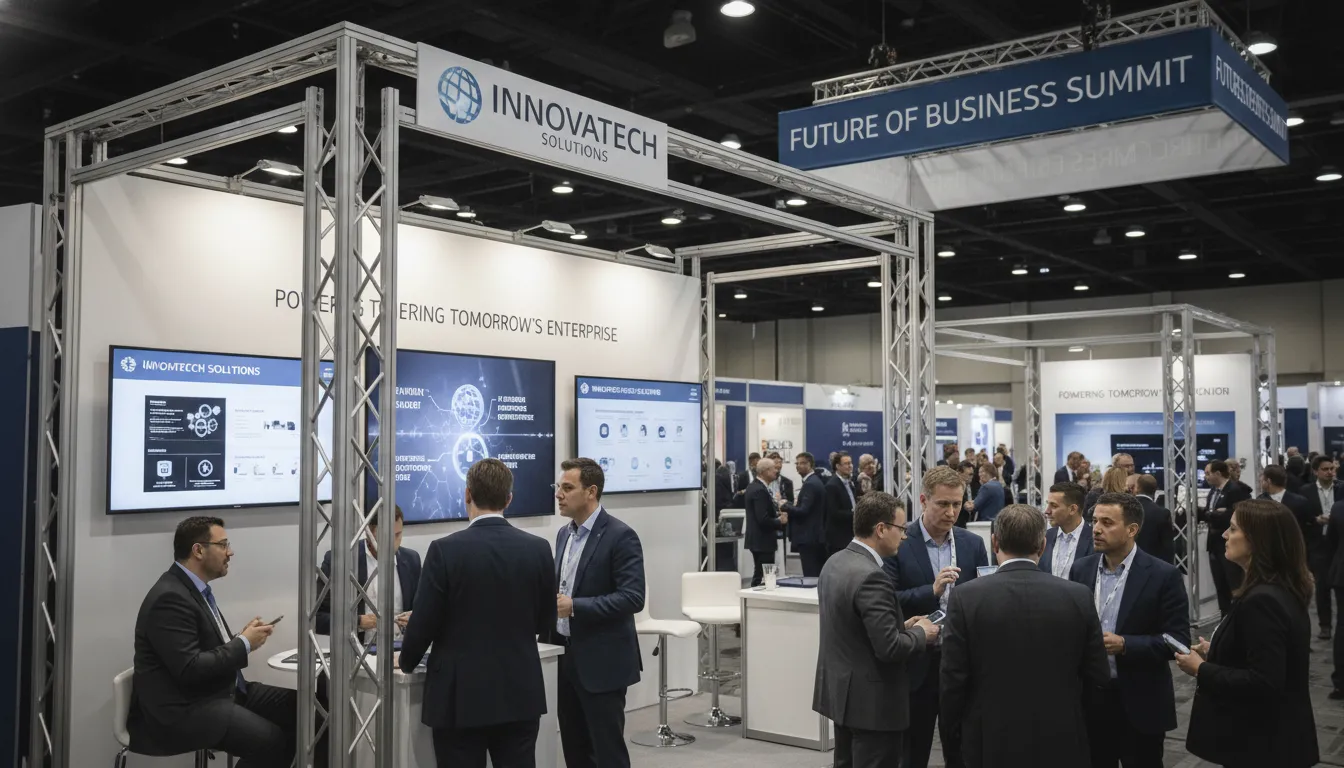
A strong activation gives guests a clear reason to stop. It offers something useful, fun, or worth sharing without demanding too much time. That value might be expert advice, a practical tool, a creative moment, or access to someone guests want to meet.
Make the offer easy to grasp from the aisle. A guest should see what happens, what they receive, and how long it takes before joining. This approach supports an event sponsorship strategy because the brand earns attention instead of interrupting the day.
A clear value exchange
Start by defining what the guest gives and gets. For more inspiration, review these sponsorship assets brands value before selecting the format. They may share time, contact details, or an answer about their needs. In return, the experience should deliver value that fits both the audience and sponsor brand.
Keep entry simple. Use one short prompt, visible instructions, and a clear next step. Offer more than one way to take part when possible. The ADA guidance on effective communication explains why communication methods should match a person’s needs.
- Give passive guests something useful to watch or learn.
- Give active guests a short task with an immediate result.
- Give high-interest prospects a path to a deeper conversation.
The activation should also look and sound like the sponsor. Avoid adding a game only because it attracts a crowd. If the experience has no clear link to the brand, guests may remember the activity but forget who hosted it.
Staffing and lead qualification
Staff shape the experience as much as the physical design. Give each person a defined role, such as greeter, guide, product expert, or lead recorder. A greeter can explain the offer quickly while experts focus on guests with strong interest.
Use a few natural questions to qualify leads without making the interaction feel like an interview. Ask about the guest’s role, current challenge, or planned event. Record only details that help the follow-up team continue the conversation.
Brief staff on who should receive a quick resource and who needs a longer discussion. This keeps the line moving and protects time for the best-fit prospects. Teams preparing for The Event Planner Expo should also agree on when to invite a guest into a private meeting.
Dwell time and rehearsal
Plan the experience around several levels of interest. A passerby may spend seconds reading a sign, while a prospect may stay for a full demo. Both paths should feel complete, with no pressure to wait for the longer version.
Before the event, rehearse the full flow with people who did not design it. Have them approach from the aisle, enter, take part, share details, and leave. Watch for unclear signs, awkward pauses, blocked paths, and moments when staff do not know what happens next.
Test the busiest likely moment as well. Staff should know how to manage a line, pause entry, restock materials, and handle a failed device. Assign one person to make operational calls so guests receive clear direction.
End each interaction with an obvious next step. The guest might book a meeting, scan a useful resource, or receive a promised follow-up. Match that next step to the interest shown during the activation, not just the contact details collected.
Turn conference visibility into qualified relationships
Visibility creates value only when the right people know what to do next. A sound event sponsorship strategy links every brand moment to a useful conversation, a clear next step, and an accountable owner. The goal is not to collect the most scans. It is to start relationships that fit both sides.
Meetings planned before the event
Begin outreach before the conference, while key guests still have room on their calendars. Invite priority prospects, current clients, partners, and speakers to short meetings with a defined purpose. Each note should explain why the conversation may help them. Avoid sending the same broad pitch to everyone.
Build a simple meeting plan for each guest. Include the person’s role, business needs, past contact, useful questions, and the team member who should attend. The plan keeps the conversation focused without making it feel scripted. It also helps sponsors use their limited face time with care.
Use the event itself to create more natural points of contact. A useful session, hosted gathering, or planned introduction can offer a reason to meet beyond a sales pitch. The The Event Planner Expo brings event professionals, decision-makers, and vendors together, which supports focused conversations across the industry.
Thoughtful qualification during each conversation
Good qualification sounds like curiosity, not an interview. Ask what the person is planning, where they need help, how they choose partners, and when they expect to act. Listen for a clear need, a reasonable fit, and a next step that matters. Capture short notes as soon as the conversation ends.
Not every strong conversation should become a sales lead. Some people may be better suited for a partnership, a referral, a media contact, or a future discussion. Labeling each relationship by fit and intent helps the team respond well. It also keeps promising contacts from getting lost in one large list.
- Ready now: A defined need, fit, timeline, and agreed next step.
- Worth nurturing: A strong fit without an active project or firm timeline.
- Partner or connector: Shared audiences, useful expertise, or referral potential.
- Not a fit: No clear match, so no sales follow-up is needed.
When a contact needs another expert, make a warm handoff while the context is fresh. Tell both people why the introduction makes sense and what they may want to discuss. Keep every description accurate. The Federal Trade Commission’s truth-in-advertising guidance is a useful reminder that marketing claims must be truthful and supported.
Fast follow-up with a clear next step
Send personal follow-up while the conversation is still easy to recall. Refer to one real detail, share the promised resource, and restate the agreed action. A short message with a useful next step is stronger than a long recap. Assign an owner and due date before the event team moves on.
Track progress by relationship quality, not just lead count. Useful measures include booked follow-up meetings, accepted introductions, active proposals, referrals, and later opportunities tied to the conference. Review which sponsored moments started those outcomes. That insight can shape the next event sponsorship strategy and help the team invest with more care.
How should brands measure sponsorship ROI?
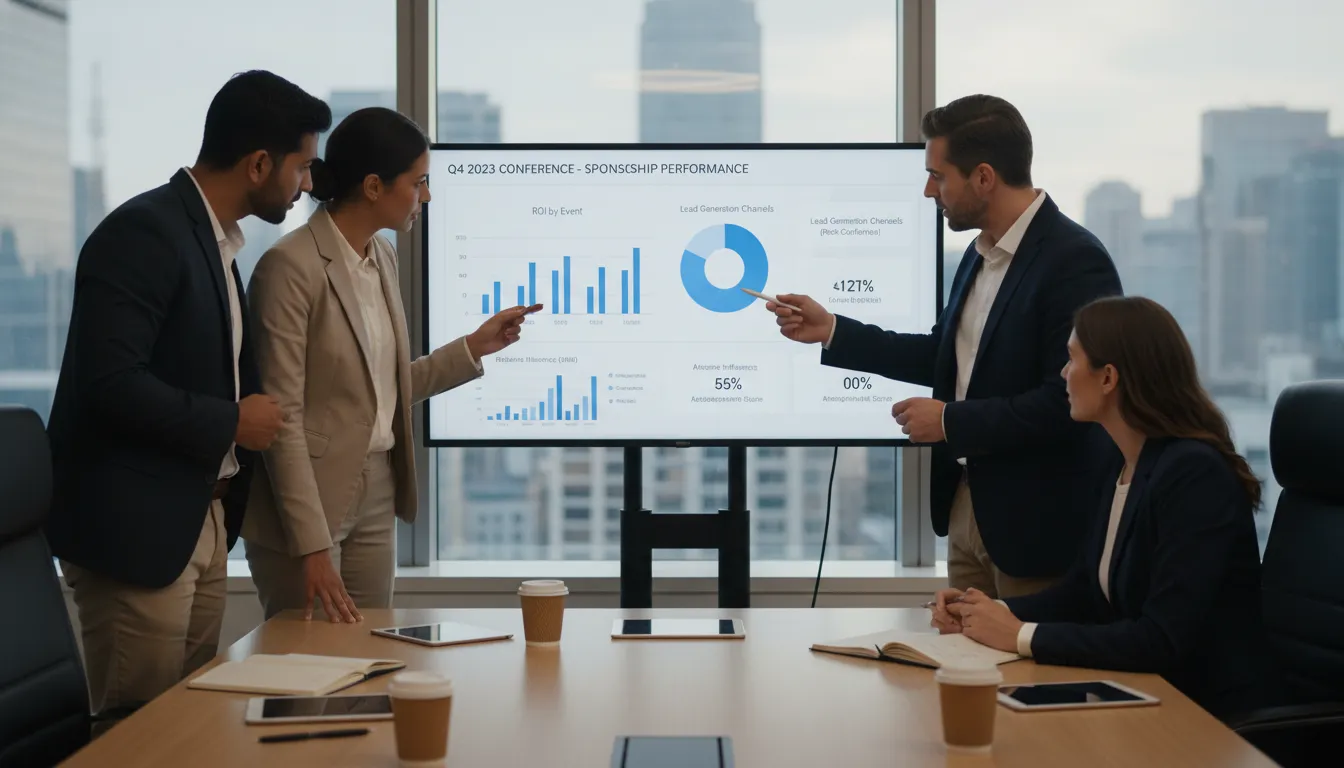
Sponsorship measurement should begin before the event, not after the invoices arrive. Use an event ROI measurement framework to align reporting with leadership expectations. Select a small set of metrics tied to the business outcome you defined at the start. An awareness-led sponsorship may prioritize relevant reach, branded-session attendance, and content engagement. A demand-generation program should focus on qualified conversations, accepted leads, meetings held, opportunities influenced, and pipeline progression.
Create a simple scorecard with three layers:
- Attention: Did the right people notice the brand? Track relevant impressions, session attendance, booth traffic, and content interactions.
- Engagement: Did attendees take a meaningful next step? Track qualified conversations, meetings, demos, scans that meet your criteria, and requested follow-ups.
- Commercial impact: Did engagement move toward revenue? Track sales-accepted leads, influenced opportunities, pipeline value, and closed business over an appropriate sales cycle.
Raw lead volume can be misleading. A smaller group of decision-makers who requested a meeting can be more valuable than hundreds of unqualified badge scans. Define a qualified interaction in advance, then train the onsite team to record consistent notes. Every captured contact should include context: the person’s role, current priority, timing, and agreed next step.
Use unique tracking wherever possible. Dedicated landing pages, QR codes, campaign tags, CRM campaign membership, meeting-booking links, and event-specific offer codes can help connect activity to outcomes. However, avoid pretending attribution is perfect. Conference sponsorship often influences relationships across multiple touches, so combine direct-response data with sales feedback and opportunity influence.
Within one week, hold a cross-functional review with marketing, sales, and the activation team. Compare actual results with the original objectives, document what generated the strongest conversations, and identify follow-up gaps. For a more detailed framework, review the guide to measuring sponsorship ROI.
The final question is not simply, “How many leads did we collect?” It is, “Did this sponsorship create access, attention. And relationships that moved our business forward?” That answer gives leadership a credible basis for renewing, expanding, or changing the next investment.
Talk with The Event Planner Expo team about building a high-impact sponsor presence
Create a pre-event, onsite, and post-event execution plan
A valuable sponsorship package can underperform without a disciplined activation plan. Treat the event as a campaign with a beginning, middle, and follow-through. Assign one accountable owner, set deadlines, and make every team understand how their work supports the same outcome.
- Eight to twelve weeks before: Confirm the audience, objectives, offer, activation concept, staffing plan, lead criteria, creative needs, and measurement setup. Ask the organizer about deadlines, access, available promotional placements, and networking opportunities.
- Four to eight weeks before: Launch outreach to priority attendees and existing prospects. Invite them to a useful session, reserve meetings, and brief sales on the event’s audience and message. Finalize the onsite journey from first contact to captured next step.
- One to four weeks before: Rehearse the activation. Test technology, refine conversation prompts, confirm logistics, and prepare contingency plans. Make sure every staff member can explain the brand’s value clearly and qualify interest without turning the experience into an interrogation.
- During the event: Hold a short opening and closing huddle each day. Review priority meetings, share patterns from conversations, and fix friction quickly. Record meaningful notes in a consistent format while context is fresh.
- Within 24 to 48 hours after: Send personalized follow-up based on each conversation. Deliver promised resources, connect prospects with the right teammate, and schedule next steps. Generic mass emails waste the attention your team earned onsite.
- Within one week: Review initial results, lead acceptance, meeting outcomes, content engagement, and team feedback. Keep tracking commercial impact through the sales cycle and capture lessons for the next sponsorship decision.
This timeline also reveals the true cost of participation. The package fee is only one component. Creative, buildout, travel, staffing, technology, hospitality, content, and follow-up all require resources. Budget for the complete campaign so the activation has enough support to succeed.
At a concentrated industry gathering, preparation gives your brand a decisive advantage. The Event Planner Expo brings together planners, executives, marketers, and exhibitors in the NYC metropolitan area, creating opportunities for purposeful conversations. Explore 2026 sponsorship opportunities to see how your brand can build visibility and relationships with this audience.
Close the loop with a concise report. A strong sponsorship recap report helps stakeholders understand outcomes and make a better renewal decision.
Frequently asked questions about event sponsorship strategy
What is an event sponsorship strategy?
An event sponsorship strategy is a plan that connects a brand’s business objectives to the right event, audience, activation, and measurement model. It defines why the brand should participate, what attendees should experience, how the team will convert engagement into relationships, and how results will be evaluated.
How do you choose the right event to sponsor?
Choose an event by evaluating audience fit, decision-maker access, topic relevance, networking design, available assets, timing, and total activation cost. Request audience and participation details from the organizer, then compare those details with the specific people and outcomes your campaign needs.
What makes a conference sponsorship successful?
A successful conference sponsorship combines a relevant audience with a useful activation, prepared staff, clear qualification standards, and rapid follow-up. Visibility helps, but results improve when attendees can interact with the brand and leave with a meaningful reason to continue the relationship.
How do you measure event sponsorship ROI?
Measure event sponsorship ROI with metrics tied to the original objective. Track relevant attention, qualified engagement, accepted leads, meetings, influenced opportunities, pipeline movement, and sales outcomes. Use consistent lead notes and campaign tracking, then review results across the full sales cycle.
{“@context”:”https://schema.org”,”@type”:”BlogPosting”,”headline”:”Event Sponsorship Strategy for Conference Visibility”,”description”:”Schedule a sponsorship conversation today. Event sponsorship strategy helps turn conference visibility into qualified relationships.”,”image”:”https://zleague-public-prod.s3.us-east-2.amazonaws.com/article_images/65389685-cb67-42b2-a9e9-f9f9639875ae/event-sponsorship-strategy-for-conference-visibility-918513.webp”,”author”:{“@type”:”Organization”,”name”:”The Event Planner Expo”,”url”:”https://theeventplannerexpo.com/”},”publisher”:{“@type”:”Organization”,”name”:”The Event Planner Expo”,”url”:”https://theeventplannerexpo.com/”},”keywords”:”event sponsorship strategy”,”mainEntityOfPage”:{“@type”:”WebPage”,”@id”:”https://theeventplannerexpo.com/event-sponsorship-strategy-conference-visibility/”}}. A. {“@context”:”https://schema.org”,”@type”:”FAQPage”,”mainEntity”:[{“@type”:”Question”,”name”:”What is an event sponsorship strategy?”,”acceptedAnswer”:{“@type”:”Answer”,”text”:”An event sponsorship strategy connects a business goal with the right event audience, activation, measurement plan. And follow-up process.”}},{“@type”:”Question”,”name”:”How do you choose the right event to sponsor?”,”acceptedAnswer”:{“@type”:”Answer”,”text”:”Choose an event by comparing audience fit, access to decision makers, package assets, total investment. And the organizer’s evidence against your business goal.”}},{“@type”:”Question”,”name”:”What makes a conference sponsorship successful?”,”acceptedAnswer”:{“@type”:”Answer”,”text”:”A successful conference sponsorship gives attendees clear value, prepares staff, creates relevant conversations. And assigns measurable next steps.”}},{“@type”:”Question”,”name”:”How do you measure event sponsorship ROI?”,”acceptedAnswer”:{“@type”:”Answer”,”text”:”Measure event sponsorship ROI with a scorecard covering relevant attention. Meaningful engagement, and commercial impact over the appropriate sales cycle.”}}]}.
Make your next sponsorship investment work harder
The strongest sponsorships are not purchased and left to perform on their own. They are selected with discipline, activated with purpose, and supported by a team ready to build real relationships. When objectives, audience, experience, follow-up, and measurement align, conference visibility becomes a strategic growth channel.
The Event Planner Expo connects brands with event planners, corporate executives, marketers, and industry decision-makers in the NYC metropolitan area.
Explore 2026 sponsorship opportunities at The Event Planner Expo
Learn more about The Event Planner Expo and start planning a sponsorship that supports your business goals.