Experiential Marketing Ideas for B2B Events
Most B2B events do not fail because the audience is wrong. They fail because the experience is forgettable. If your booth, sponsorship, or networking moment looks like everyone else’s, attendees will scan a badge, grab a brochure, and forget you before they reach the next aisle. The strongest experiential marketing ideas for B2B events give people a reason to stop, participate, share useful information, and remember the brand after the show floor closes.
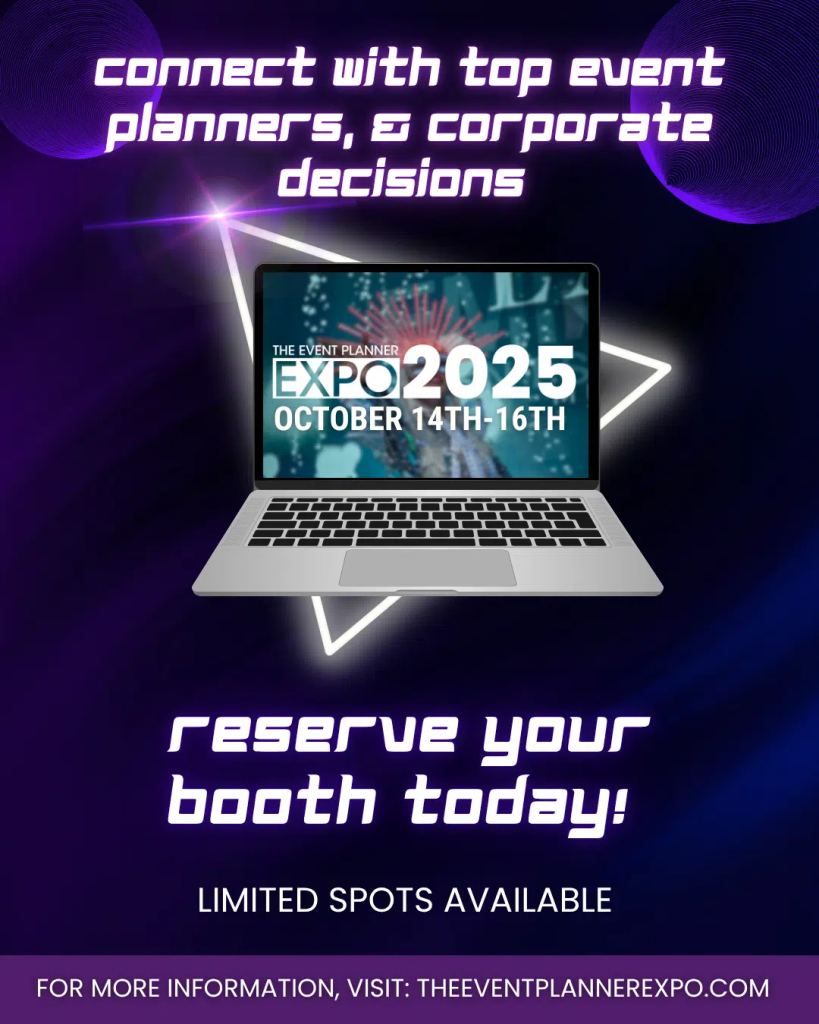
Ready to put your brand in front of serious event decision-makers? Explore sponsorship opportunities at The Event Planner Expo and build an experience that stands out in NYC.
That matters even more at trade shows and business conferences where the audience is busy, selective, and surrounded by competing messages. Corporate event planners, agency leaders, sponsors, exhibitors, and marketing executives need activations that feel strategic, not gimmicky. The goal is not just foot traffic. The goal is better conversations, stronger lead quality, memorable brand association, and a follow-up path your sales or partnerships team can actually use.
Use the ideas below to design B2B event experiences that feel polished, practical, and worth an attendee’s time.
What Makes B2B Experiential Marketing Different?
B2B experiential marketing is the use of interactive, in-person brand experiences to create deeper engagement with business buyers, partners, sponsors, and decision-makers. Unlike consumer activations, B2B experiences usually need to support a longer sales cycle, multiple stakeholders, and measurable pipeline goals.
That changes the creative brief. A B2B activation still needs energy, design, and surprise, but it also needs a business reason to exist. The best ideas help attendees do at least one of four things:
- Understand a product, service, or point of view faster
- See themselves inside a future outcome
- Meet the right people in a high-value setting
- Exchange useful data without feeling like they are filling out another form
That is why the strongest activations combine creativity with structure. A beautiful lounge is not enough. A touchscreen quiz is not enough. A celebrity photo moment is not enough. The experience has to connect the moment in the room to what happens next.
If you are attending, exhibiting, or sponsoring The Event Planner Expo, this is exactly the lens to use. The event brings together event planners, corporate executives, agencies, vendors, and marketing professionals in one high-intent environment. A smart activation can create conversations that would take months to build through cold outreach.
1. Build an Interactive Demo That Lets Attendees Drive
The old demo model is passive. A rep stands in front of a screen, walks through the same scripted features, and hopes the attendee hears something relevant. The better model is self-directed. Let the attendee choose the challenge, industry, budget level, or event type, then show a tailored outcome.
For example, an event technology company could create a demo station where attendees select “corporate conference,” “fundraising gala,” “trade show booth,” or “product launch.” The demo then shows the exact workflows, analytics, or guest experience tied to that event type. A production company could let planners build a sample stage look using lighting, furniture, screens, and scenic elements. A catering partner could design a menu experience based on guest profile, dietary needs, and service style.
The key is participation. When attendees make choices, they reveal priorities. Those choices become follow-up intelligence for your team.
How to make it work
- Limit the experience to three to five decision points so it stays fast.
- Use real event scenarios your audience recognizes.
- Capture the attendee’s selections in your CRM or post-event notes.
- Send a recap that references what they chose during the demo.
This turns a booth conversation into a personalized business case. It also gives your team a natural reason to follow up without sounding generic.
2. Create a VIP Experience for High-Value Buyers
Not every attendee should get the same experience. At B2B events, one executive, sponsor, agency owner, or corporate event planner can be worth more than dozens of casual badge scans. Build a VIP layer for the people you most want to meet.
A VIP experience does not have to be extravagant. It has to feel intentional. Think private appointment windows, a hosted coffee conversation, reserved lounge seating, a short executive briefing, or a curated walkthrough of your booth with a senior team member.
This works especially well for sponsors and exhibitors who are targeting corporate buyers. Instead of waiting for the right person to wander by, invite them into a planned moment. Give them a reason to show up and a reason to stay.
VIP activation ideas
- A 15-minute private strategy session with a founder, creative director, or sales lead
- A quiet hospitality lounge for pre-booked buyers and partners
- A first-look preview of a new product, service package, or event design concept
- A curated vendor introduction for corporate planners looking for specific partners
- A small executive roundtable tied to a high-value topic like sponsorship ROI or event technology
For event professionals attending The Event Planner Expo as corporate planners, VIP-style access can also help compress vendor research into a shorter, higher-quality window. For brands and exhibitors, it creates the kind of white-glove interaction that busy decision-makers remember.
3. Turn Your Booth Into a Content Studio
Every B2B attendee is also thinking about content. Agencies need proof of ideas. Sponsors want visibility. Corporate marketers need assets they can bring back to leadership. Event professionals want social content that positions them as connected and current.
That makes a content studio one of the most practical experiential marketing ideas for B2B events. Instead of offering a basic step-and-repeat, create a branded environment where attendees can record a short clip, capture a professional photo, answer a prompt, or generate a personalized visual asset.
The experience should make the attendee look smart, not just make your logo bigger. Good prompts include:
- “What is one event trend you are watching this year?”
- “What is your best advice for brands investing in live events?”
- “What should every corporate planner ask before choosing a vendor?”
- “What does the future of experiential marketing look like?”
Give attendees the finished asset quickly. Ask for an email or badge scan so they can receive the file. That data exchange feels natural because they are getting something useful in return.
If your brand wants to be seen by planners, agencies, sponsors, and corporate decision-makers, reserve your place at The Event Planner Expo 2026.
4. Use a Smart Quiz to Capture Better Data
Most lead forms are lazy. Name, company, email, phone number, done. That information tells you who stopped by, but it does not tell you what they care about.
A smart quiz gives attendees a more interesting reason to share information. It also helps your team segment leads by need, intent, and timing. For B2B events, the quiz should be short, useful, and tied to a meaningful result.
Quiz concepts for B2B event activations
- “What type of event marketer are you?”
- “What sponsorship strategy fits your brand?”
- “Is your trade show booth built for awareness, leads, or meetings?”
- “What kind of corporate event experience should you create next?”
- “How ready is your team for a high-stakes product launch?”
The result page should not be fluff. Give attendees a real recommendation, such as a booth format, event tech stack, content strategy, sponsorship package, or follow-up checklist. Then use the answers to personalize outreach.
For example, if someone selects “lead generation” as the top priority and “limited sales follow-up” as the biggest challenge, your post-event email should speak directly to that gap. That is a stronger conversation than “Thanks for stopping by our booth.”
5. Design Networking Moments People Actually Want to Join
Networking is one of the biggest reasons people attend B2B events, but most networking formats still feel awkward. A room, a bar, a name badge, and no structure is not enough. The best networking activations give people a reason to start the right conversation quickly.
Start with the audience. Are they corporate planners looking for vendors? Sponsors looking for brand visibility? Agencies looking for partners? Executives looking for growth ideas? Once you know the desired connection, design the format around it.
Better networking formats
- Topic tables: Assign each table a specific discussion theme, such as event ROI, luxury corporate events, AI in event marketing, or sponsorship strategy.
- Curated introductions: Use registration data to introduce attendees who have a clear reason to meet.
- Speed advisory sessions: Let experts give short, focused advice on production, marketing, ticketing, sponsorship, or vendor selection.
- Challenge cards: Give attendees cards with real event challenges and ask them to find someone who has solved that problem.
- Hosted buyer hours: Create scheduled windows where qualified buyers can meet exhibitors by category.
This is where major industry conferences have an advantage. The right room can put months of prospecting into one afternoon. That is one reason planners, vendors, and marketing leaders use event industry trade shows to build relationships faster than they could online.
6. Add a Sensory Layer That Supports the Brand Story
Sensory experiences work because memory is not only rational. People remember how a room felt, what the lighting did, what the music signaled, what the space smelled like, and how the environment changed their mood.
For B2B events, the sensory layer should support the message. A cybersecurity brand might use controlled lighting, sound, and physical barriers to show the difference between vulnerability and protection. A hospitality brand might use scent, texture, and service choreography to communicate premium guest care. An event production company might create a before-and-after transformation that shows how design changes audience behavior.
The mistake is adding sensory elements just because they look good. The right question is: what should the attendee feel before they understand the pitch?
The Event Planner Expo has covered how sensory experiences can increase event engagement, and the principle applies directly to B2B activations. The sensory layer should make the brand promise easier to believe.
7. Build a Sponsor Activation Around Utility, Not Swag
Swag is not a strategy. Useful branded moments are. If you are sponsoring a B2B event, think beyond logo placement and ask what your audience needs during the day.
Could you sponsor a charging lounge with short expert talks? A quiet work zone for executives between sessions? A concierge desk that helps attendees find the right vendors? A curated meeting space? A professional headshot studio? A post-session recap bar where attendees can turn notes into action items?
Utility earns attention because it solves a real problem in the room. It also creates a stronger brand association than another tote bag.
High-utility sponsor ideas
- A private meeting lounge with appointment scheduling
- A LinkedIn profile refresh or headshot experience
- A live note-taking station that summarizes key sessions
- A sponsored recharge zone with premium seating and coffee
- A concierge desk that connects attendees to relevant exhibitors
- A post-event resource hub with templates, checklists, and session takeaways
If you are evaluating conference sponsorship packages, look for opportunities that let your brand be helpful, visible, and measurable at the same time.
8. Make Data Capture Feel Like a Fair Exchange
Attendees know when they are being pushed into a lead funnel. The fix is not to hide data capture. The fix is to make the exchange feel worth it.
Ask yourself: why would someone want to give us their information right now? Strong answers include a personalized report, a custom content asset, a meeting with the right expert, a useful benchmark, a VIP invitation, or a resource they can bring back to their team.
Data capture should happen at natural moments in the experience:
- Before sending a personalized quiz result
- When booking a private demo or consultation
- When delivering a professional photo or video asset
- When saving a custom event design or product configuration
- When giving access to a post-event toolkit
Do not ask for ten fields if three will do. Capture what you need for segmentation, then enrich the record with behavioral data from the activation. What did they choose? What did they download? Which session or topic drew them in? Which product did they test?
That is the information that makes follow-up relevant.
9. Use Live Polling to Create a Shared Room Insight
Live polling is simple, but it can be powerful when the questions are sharp. Instead of asking generic questions, use polling to reveal what the room believes, fears, wants, or plans to invest in.
For example:
- “What is your biggest obstacle to proving event ROI?”
- “Which event channel is getting more budget next year?”
- “What would make you spend more time with an exhibitor?”
- “Which activation format feels most overused right now?”
- “What is the hardest part of turning event leads into revenue?”
Display the results in real time, then turn the insight into a conversation. This works in a booth, breakout session, hosted lounge, or sponsor activation. It gives attendees a reason to compare perspectives and gives your team a reason to publish a post-event insight recap.
That recap can become a sales enablement asset, a blog post, a social campaign, or a follow-up email. The experience does not end when the poll closes.
10. Create a Memorable Closing Moment
Many B2B activations start strong and end weak. The attendee participates, gets scanned, receives a generic thank-you, and moves on. A stronger experience has a closing moment that tells the attendee what just happened and why it matters.
That closing could be a printed takeaway, a personalized digital summary, a recommendation card, a booked meeting, a calendar invite, a VIP invitation, or a warm introduction to another person in the room. The point is to turn engagement into momentum.
For trade shows, this is especially important because attendees are collecting dozens of impressions in a short window. If you do not define the next step, your brand becomes part of the noise.
Strong closing lines for B2B activations
- “Based on what you selected, your best next step is a private demo focused on reporting.”
- “You are looking for sponsor visibility, so we are sending a checklist you can use with your team.”
- “You told us lead quality is the priority, so let us introduce you to the right partner before you leave.”
- “Your event profile suggests you should compare three activation formats before choosing a booth concept.”
These moments feel small, but they change the psychology of follow-up. The attendee does not feel chased. They feel guided.
How to Choose the Right Experiential Marketing Idea
The right idea depends on your goal. Do not choose an activation because it is trendy. Choose it because it supports the result your team needs from the event.
| Goal | Best Experience Type | What to Measure |
|---|---|---|
| Generate qualified leads | Smart quiz, interactive demo, custom report | Qualified scans, completion rate, meeting requests |
| Reach executive buyers | VIP lounge, private briefing, hosted meeting | Target account attendance, booked follow-ups, pipeline value |
| Increase brand visibility | Content studio, social wall, sensory installation | Shares, mentions, asset downloads, booth traffic |
| Educate the market | Live polling, mini-workshops, expert advisory sessions | Session attendance, resource downloads, topic engagement |
| Support partnerships | Curated networking, challenge tables, concierge introductions | Introductions made, partner meetings, post-event collaborations |
The best teams also plan measurement before the event opens. Decide which interactions matter, how your team will tag them, what follow-up sequence they trigger, and who owns the next step.
Where The Event Planner Expo Fits In
The Event Planner Expo is built for exactly this kind of B2B event marketing. It brings together corporate event planners, agency owners, sponsors, exhibitors, marketing executives, and event service providers in New York City. That mix creates the right environment for activations that are not only creative, but commercially useful.
For attendees, it is a place to see what is working across event technology, production, hospitality, sponsorship, design, and marketing. For exhibitors and sponsors, it is an opportunity to get in front of a concentrated audience of people who are actively looking for ideas, partners, and solutions.
The brands that win in that environment will not be the ones with the loudest booth. They will be the ones with the clearest experience strategy.
If you want to connect with the people shaping the future of event marketing, review the Event Planner Expo schedule, explore the keynote speaker lineup, and secure the ticket or sponsorship path that fits your goals.
Final Takeaway
Experiential marketing for B2B events is not about adding more noise to the show floor. It is about designing moments that help the right people understand your value faster. Interactive demos, VIP experiences, content studios, smart quizzes, structured networking, sensory storytelling, and useful sponsor activations all work when they connect creativity to a business outcome.
Before your next event, ask one question: what will attendees remember, and what will your team know about them afterward? If the answer is clear, you are no longer building a booth. You are building a pipeline experience.