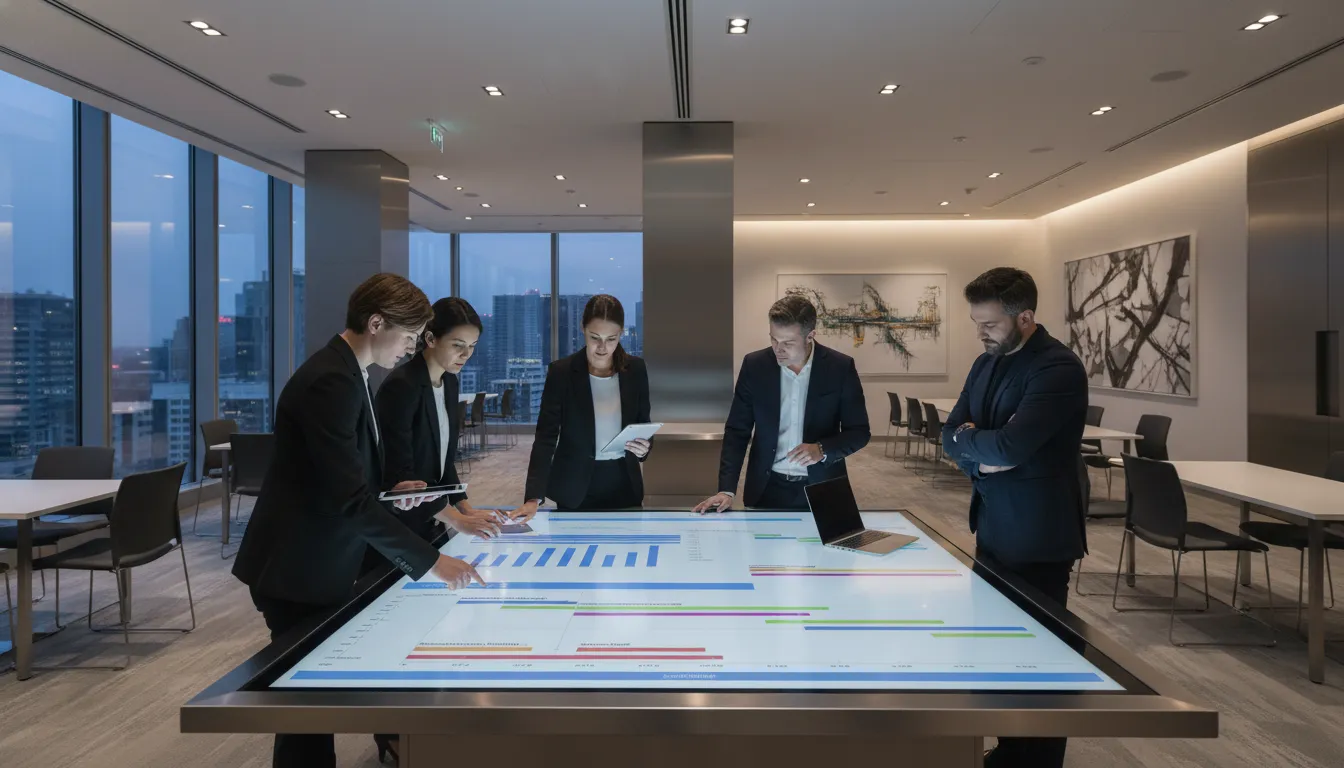
A strong event production timeline turns a big corporate event into a sequence of clear, manageable decisions. Instead of asking, “What do we need to do next?” every week. Your team knows what must be approved, who owns it, and what will be affected if it slips.
Get Your Tickets to The Event Planner Expo
Use this milestone-based corporate event planning timeline as a working framework, then adjust it for your event’s size, venue requirements, attendee journey, and business goals. A major conference may need the full 12 months. A focused executive event may move faster, but the order of decisions should remain largely the same.
What Is an Event Production Timeline?
An event production timeline is a chronological plan that maps every major task, deadline, dependency, owner, and approval required to deliver an event. It covers the entire lifecycle, from defining objectives and securing a venue to rehearsals, show-day execution, and post-event measurement.
Your master timeline is different from the show-day run of show. The master timeline manages the project over months. The run of show coordinates minute-by-minute execution once attendees, speakers, vendors, and crew arrive.
Why Should You Build the Timeline Around Decision Gates?
A list of tasks is useful, but a production timeline becomes far more effective when it includes decision gates. At each gate, the team confirms that critical choices are approved before dependent work proceeds.
- Strategy gate: objectives, audience, success metrics, scope, and budget approved.
- Commitment gate: date, venue, and core vendors contracted.
- Experience gate: program, creative direction, speakers, and attendee journey approved.
- Production gate: technical plans, logistics, staffing, and contingency plans locked.
- Show-ready gate: final content, rehearsals, credentials, and communications complete.
- Closeout gate: invoices reconciled, leads routed, and results reported.
For every milestone, document one accountable owner, the approver, due date, status, dependencies, and a clear definition of “done.” This prevents ambiguous handoffs and exposes schedule risk early.
What Happens 12 to 9 Months Before the Event?
The earliest phase determines whether the event will support the business or simply consume resources. Start with purpose before discussing décor, entertainment, or production effects.
Define goals, audience, and measurement
- Choose the primary business outcome, such as pipeline, client retention, partner engagement, education, or brand awareness.
- Define the priority attendee segments and the action each segment should take after the event.
- Select a small set of measurable KPIs, including qualified meetings, registrations, attendance rate, engagement, leads, satisfaction, or revenue influenced.
- Name the executive sponsor, event lead, workstream owners, and approval process.
Set scope and budget
Create a first-pass budget that includes the venue, catering, audiovisual production, scenic and staging, speakers, entertainment, staffing, security, travel, marketing, technology, insurance, and a contingency reserve. Keep estimated, contracted, paid, and forecast-at-completion amounts separate so cost pressure is visible.
Select the date and venue
Issue a venue brief based on expected capacity, session formats, accessibility, transportation, load-in needs, power, internet, rigging, and catering. Ask how the venue handles overtime, labor rules, freight, storage, and exclusive vendors before signing. A beautiful room that cannot support production requirements will create expensive compromises later.
Decision gate: approve objectives, KPIs, budget range, date, venue, and governance. Do not commit major creative or technical spend before this gate.
9 to 6 Months Out: Contract Partners and Shape the Experience
With the foundation secured, translate the strategy into an attendee experience and lock the partners whose availability will shape it.
- Develop the event theme, program architecture, session formats, and networking plan.
- Hire core partners, including event production, audiovisual, creative, registration, catering, photography, video, security, and transportation as needed.
- Create the speaker strategy and begin outreach to high-priority presenters.
- Build the sponsorship or exhibitor offer, if applicable, with clear deliverables and deadlines.
- Draft the marketing plan, registration journey, content calendar, and audience acquisition targets.
- Complete an initial site visit with production and venue representatives.
If you are benchmarking the kind of partners and experiences available in the market, explore The Event Planner Expo’s 2026 exhibitors and speaker lineup. Vendor discovery and peer learning are much more valuable before requirements are locked than after contracts are signed.
Decision gate: approve the experience concept, program framework, priority vendors, initial speakers, and go-to-market plan.
6 to 3 Months Out: Move From Concept to Production Plan
This is where the corporate event planning timeline becomes a coordinated production plan. Every workstream should now connect to one source of truth.
Develop the program and content
- Confirm speakers and collect agreements, headshots, bios, session titles, and presentation requirements.
- Map the agenda, room assignments, transitions, breaks, meals, and networking moments.
- Create speaker briefing materials and schedule content review deadlines.
- Identify the show caller, host, moderators, and content owners.
Advance technical and operational planning
- Draft floor plans, stage layouts, scenic concepts, signage plans, and attendee flows.
- Specify sound, lighting, video, presentation, internet, power, and recording requirements.
- Build an initial production schedule covering load-in, setup, testing, rehearsals, show hours, and strike.
- Confirm permits, insurance, accessibility needs, security approach, emergency procedures, and transportation plans.
- Forecast attendance and update catering, staffing, and inventory assumptions.
Launch and optimize marketing
Open registration, publish the event page, launch campaign assets, and set a regular reporting cadence. Monitor conversion by audience and channel, not just total registrations. If one priority segment is lagging, adjust the message or channel before the final weeks.
Review a real-world event schedule to see how education, networking, and show-floor activity can work together across the attendee journey.
Decision gate: approve the working agenda, technical concept, floor plan, marketing assets, and risk register.
12 to 8 Weeks Out: Lock the Operating Plan
At this point, reduce open choices. Late changes often affect multiple vendors, create rush costs, and increase the chance of show-day errors.
- Hold a detailed production meeting with the venue and all lead partners.
- Update the budget using current attendance, technical, labor, and catering forecasts.
- Confirm final speaker roster and chase outstanding presentation materials.
- Write the first detailed run of show with cues, transitions, owners, and durations.
- Finalize attendee communications, credential types, check-in flow, and customer-service escalation paths.
- Assign staffing positions and write role-specific briefing sheets.
- Review emergency, medical, weather, security, and technical backup plans.
- Set the change-control process: who can request a change, who approves it, and how cost or schedule effects are documented.
Decision gate: freeze core program, layout, production scope, and operating model. Only approved exceptions should alter these elements afterward.
8 to 4 Weeks Out: Confirm Every Detail
The final month is not the time to invent the event. It is the time to confirm, test, communicate, and close gaps.
- Finalize the run of show, production schedule, cue sheets, contact list, radio plan, and venue access schedule.
- Review every vendor’s contracted deliverables, arrival times, staffing, and onsite contact.
- Confirm final menus, dietary accommodations, room sets, signage copy, and print quantities.
- Collect presentations and videos early enough to check formatting, playback, timing, and brand consistency.
- Send speaker, sponsor, exhibitor, vendor, staff, and attendee “know before you go” communications.
- Hold a tabletop exercise for the most consequential risks and agree on response owners.
- Create a punch list of every unresolved item, with one owner and deadline per item.
Decision gate: approve final creative files, attendee communications, staffing plan, technical documentation, and contingencies.
Final Week and Event Day: Rehearse, Execute, and Communicate
The final week
Distribute the controlled, current versions of all operating documents. Confirm that everyone knows where updates will appear. Hold final calls with the venue, vendors, speakers, and internal team. Pack and label materials by destination, test technology, confirm transportation, and close or escalate every remaining punch-list item.
Load-in and rehearsals
During load-in, verify the room against the approved plan. Test microphones, presentation files, video playback, lighting looks, internet, confidence monitors, walk-on music, and recording. Rehearse transitions as well as presentations. Many delays happen between segments, not during them.
Event day
- Run a crew briefing before doors open.
- Use one command structure and one escalation channel.
- Track attendance, issues, schedule variance, and decisions as they happen.
- Protect the attendee experience first; resolve backstage issues without creating front-of-house confusion.
- Confirm strike responsibilities and asset handoffs before the event closes.
Attending a well-produced industry event is one of the fastest ways to sharpen your own planning standards. Review ticket options for The Event Planner Expo to connect with event leaders, speakers, and production partners in New York City.
1 to 30 Days After: Close the Loop and Measure Results
The production timeline does not end when the last attendee leaves. Post-event speed affects lead conversion, stakeholder confidence, and the usefulness of your findings.
Within 24 to 72 hours
- Send attendee follow-up and survey communications.
- Route leads and priority follow-ups to accountable owners.
- Share approved photos, recordings, or resources.
- Record immediate team observations while details are fresh.
Within one to two weeks
- Hold a structured debrief with the internal team and key partners.
- Reconcile invoices, damages, refunds, and outstanding vendor obligations.
- Compare actual results with the original KPIs and budget.
- Document what to repeat, change, stop, and test next time.
Within 30 days
Deliver a concise stakeholder report connecting results to the event’s original business objective. Include the final budget, KPI performance, attendee feedback, lead outcomes, content performance, risks encountered, and recommended next actions. Archive final documents and update the reusable timeline before starting the next event.
Which Event Timeline Mistakes Put Production at Risk?
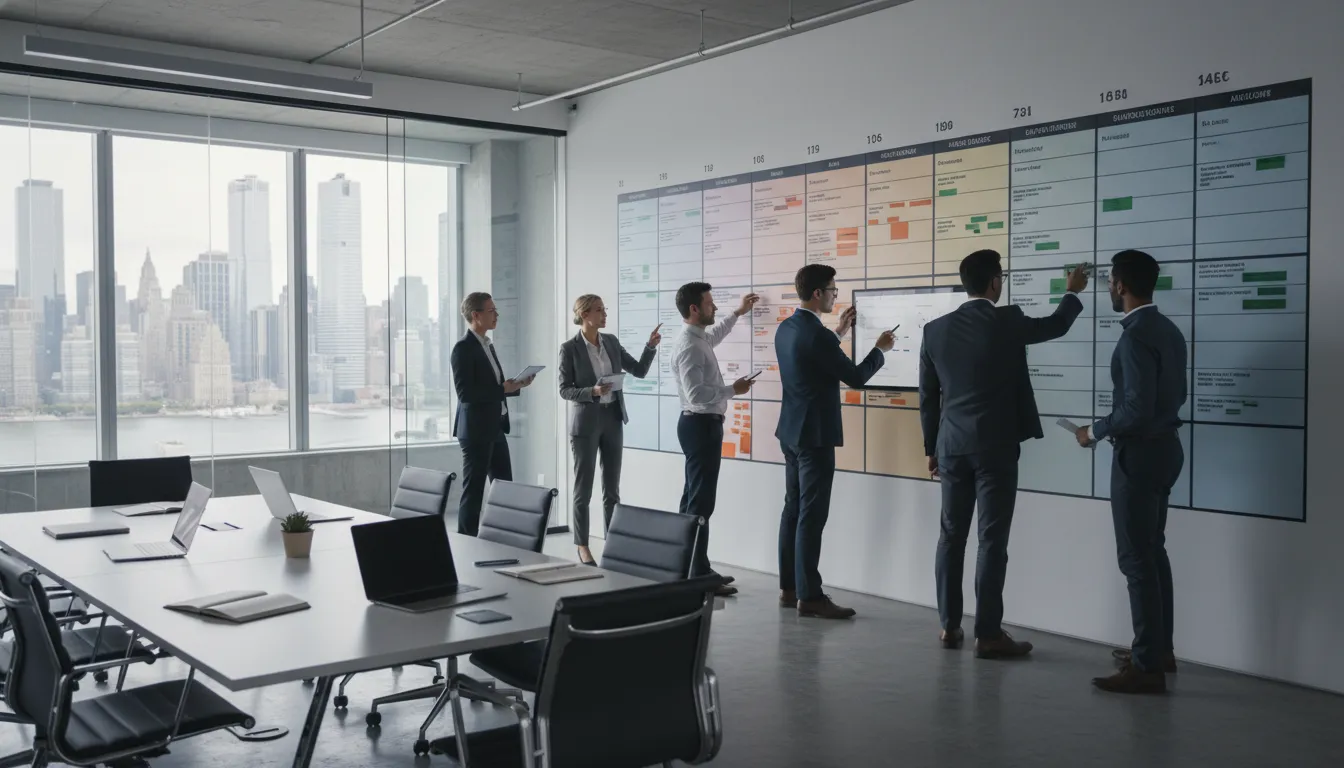
The most expensive timing mistakes are rarely isolated. One late approval can trigger rush fees, weaker rehearsals, and confusion across several vendors. Use this risk table during weekly status reviews to catch problems while the team still has options.
| Mistake | Early warning sign | Best response |
|---|---|---|
| No accountable owner | Tasks remain “in progress” with no approval date | Name one owner and one approver for every milestone |
| Venue booked too early | Production requirements are still undefined | Validate access, power, internet, rigging, labor, and load-in first |
| Content arrives late | Speaker decks miss review deadlines | Escalate early and set a firm technical testing cutoff |
| Audience quality is ignored | Registration rises but priority segments lag | Report conversion by audience and channel |
| Scope never freezes | Late requests repeatedly disrupt several workstreams | Use formal change control with cost and schedule impacts |
Event Production Timeline Checklist
At minimum, your master timeline should include these workstreams:
- Strategy, goals, audience, and KPIs
- Budget, procurement, contracts, and payments
- Venue, floor plans, permits, accessibility, and safety
- Program, speakers, scripts, presentations, and rehearsals
- Audiovisual, scenic, staging, lighting, and technical systems
- Marketing, registration, communications, and attendee service
- Sponsors, exhibitors, partners, and deliverables
- Catering, staffing, security, transportation, and logistics
- Run of show, cueing, escalation, and contingency plans
- Follow-up, lead routing, reporting, and financial closeout
Frequently Asked Questions
How far in advance should you plan a corporate event?
Large corporate conferences and complex productions often benefit from a 6- to 12-month planning window. Venue availability, speaker booking, procurement, sponsorship, and technical requirements can all require substantial lead time. Smaller events may move faster, but should follow the same sequence of strategy, contracting, production, rehearsal, and measurement.
What is the difference between an event production timeline and a run of show?
An event production timeline manages the full project over weeks or months. A run of show is the detailed, time-based operating plan for event day, including cues, transitions, speakers, and responsible team members.
Who owns the event production timeline?
The event lead or producer should own the master timeline, while individual workstream leads own their tasks. One central owner must manage dependencies, approvals, changes, and escalation across the entire plan.
How often should the timeline be reviewed?
Review it at least weekly during active planning, then increase the cadence as the event approaches. In the final weeks, the core team may need brief daily reviews focused on open decisions, risks, and schedule changes.
What should happen if a milestone slips?
Assess every dependent task immediately, then decide whether to recover time, reduce scope, add resources, or revise a downstream deadline. Document the decision and communicate it to every affected owner. Quietly allowing a missed milestone to pass is usually more damaging than the original delay.
Turn the Timeline Into a Competitive Advantage
The best event production timeline does more than protect a deadline. It gives leaders visibility, helps partners perform at their best, and keeps the team focused on the attendee experience and business outcome. Begin with clear goals, make decisions in the right order, and use gates to prevent unresolved issues from moving downstream.
For new ideas, trusted resources, and connections across the events industry, explore The Event Planner Expo’s exhibitors, speakers, and ticket options.