
Event Planning and Management in New York
Starts Here
The Event Planner Expo delivers the most concentrated gathering of event planning and management professionals in New York — connecting 2,500+ planners, corporate decision-makers, and industry leaders across three days of education, networking, and trade-floor discovery at the city’s premier event management conference.
What Does Full-Service Event Planning and Management in New York Actually Mean?
The Event Planner Expo draws together the most qualified event planning and management professionals across New York City — from Manhattan corporate event specialists to Brooklyn creative production companies. Full-service means one thing: every phase, from initial brief to post-event debrief, sits under a single accountable engagement. This page covers all event types across all five boroughs of New York.
Event planning is strategic, pre-event work. Event management is operational execution. Top New York professionals provide both—a distinction that matters when budget and reputation are on the line.
From Concept to Curtain Call: What We Manage
We cover the full arc: concept development, brief-taking, venue research, vendor selection, contract management, budget oversight, permits, logistics, design coordination, AV briefing, day-of execution, and post-event wrap-up. One point of contact across all phases.
Scope is agreed in writing at the outset — no hidden deliverables, no surprise fees mid-production. The Event Planner Expo connects planners who build their entire businesses on this standard of accountability.
Corporate, Social, and Everything In Between: Event Specialisms
We cover corporate events — conferences, galas, product launches, retreats — alongside social and private celebrations, weddings and ceremonies, non-profit fundraisers, and luxury VIP experiences. Industry verticals served include fashion, finance, tech, and media.
Multicultural celebrations are a genuine specialism, not an afterthought. South Asian multi-day weddings, Caribbean cultural events, bar and bat mitzvahs, quinceañeras, and Latin heritage celebrations all carry specific vendor and logistics requirements that our community understands from the inside.
Why New York Events Demand a Different Level of Expertise
Planning events in New York City is categorically different from planning events elsewhere. Premium venue booking timelines run 12–24 months for sought-after Manhattan spaces. Minimum spend requirements at hotel properties frequently exceed the headline cost of the event itself.
Top-tier photographers, caterers, and AV production teams book out months in advance. Local knowledge — knowing which venues have strict load-in windows, which caterers work with which spaces — is not optional. It is the prerequisite for a New York event that actually delivers.
The result? An event that reflects your vision, not a series of compromises. The Event Planner Expo establishes the gold standard for event planning and management in New York by connecting planners, buyers, and industry leaders who refuse to treat “good enough” as a professional standard.
What Events Does The Event Planner Expo NYC Community Plan and Manage?
The New York event planning community covers every event category with the same end-to-end capability. Whether your event seats 15 board members or 1,500 gala guests, the same planning discipline applies. Find your event type below.
Corporate Events: Conferences, Galas, Launches, and Team Events
We manage the full corporate event spectrum: conferences and summits, product launches, annual general meetings, corporate galas, company retreats, employee appreciation events, team building programs, executive offsites, board meetings, and brand activation events.
Corporate event planning in New York carries specific operational pressure. Tight corporate approval chains, brand compliance requirements, last-minute headcount changes, and securing Midtown Manhattan venues for large groups all demand a planner who has navigated these constraints before. We coordinate hybrid formats with remote attendees and consolidate multiple vendors under a single contract to simplify procurement.
Industries regularly served include finance, tech, media, legal, real estate, and pharma. ROI reporting and post-event data summaries support your internal budget justification. Holiday corporate party planning is a high-demand seasonal service we staff specifically for Q4 volume.
Talk to us about your corporate event →Social and Private Celebrations: Birthdays, Anniversaries, and Milestone Events
Private events handled include milestone birthdays — 40th, 50th, and significant decade celebrations — anniversary dinners and parties, dinner parties, sweet sixteen events, bar and bat mitzvahs, retirement parties, graduation celebrations, quinceañeras, and holiday parties.
Private events in New York carry their own pain points: competing family opinions, limited venue availability during peak Q4 and graduation seasons, and the challenge of making intimate guest lists feel significant in a large, expensive city. Scope creep drives cost escalation faster than clients expect.
We create personalized experiences — not off-the-shelf packages. Every private event receives the same logistical rigor as a large corporate production. Guest counts served range from intimate 20-person gatherings to large celebrations across all five boroughs.
Tell us about your celebration →Weddings and Ceremonies in New York City
Wedding planning services cover the full range: full-service wedding planning, day-of coordination, luxury weddings, micro-weddings, rooftop ceremonies, outdoor weddings, LGBTQ+ weddings, and destination wedding planning for New York couples.
New York wedding planning realities are specific. Top venue booking timelines run 18–24 months. Vendor costs run substantially above national averages.
Outdoor ceremonies in NYC parks require NYC Parks permits. Noise ordinances affect outdoor receptions. Multicultural and multi-religious ceremony requirements need a planner with genuine cultural fluency.
We build wedding timeline creation and execution into every engagement. Weather contingency planning is included for every outdoor wedding. LGBTQ+ couples receive exactly the same planning depth and vendor network as any other wedding engagement — this is not a marketing note, it is our operational standard.
Start your wedding consultation →Non-Profit Galas, Fundraisers, and Charity Events
Non-profit event types managed include fundraising galas, charity auctions, benefit dinners, awareness campaign events, and volunteer coordination events. Budget constraints are real. Board approval requirements for vendor selection add complexity. The event must maximize fundraising revenue — not just produce a beautiful evening.
We approach non-profit engagements differently from commercial events: transparent budget management, prioritization of revenue-generating elements, vendor negotiation strategies that respect budget ceilings, and post-event reporting that documents donor engagement and funds raised.
We have experience working with organizations that require formal RFP processes or multi-approval procurement chains. If your organization’s fiscal year controls your planning calendar, we build our timeline around yours.
Discuss your gala or fundraiser →Luxury and VIP Experiences
The luxury event category covers high-end galas, VIP experience design, celebrity and entertainment event management, exclusive private events in Manhattan, and five-star venue sourcing across New York City.
Luxury event management differs from standard planning in three ways: absolute discretion across the entire planning team, access to premium vendors who operate at the top of the New York market, and a zero-margin-for-error execution standard. We coordinate security requirements, private arrivals, and greenroom management where talent or high-profile guests are involved.
Luxury events are not simply expensive events. They are experiences engineered around precision and the specific expectations of an ultra-discerning client. Consultations for luxury engagements are entirely confidential and begin on your terms.
Inquire confidentially →Industry-Specific Event Management: Fashion, Finance, Tech, and Beyond
New York’s industry landscape requires planners who understand sector-specific event norms and compliance requirements. Industries covered include fashion (runway shows, press previews, NYFW-adjacent events), finance (investor relations events, client entertainment, regulatory-compliant gatherings), tech (product launches, developer conferences), real estate (property launches, broker events), healthcare and pharmaceutical (PDMA compliance, HCP event regulations), media and entertainment (premiere events, press junkets), and legal and professional services.
Industry-specific experience means we bring pre-vetted vendor relationships and knowledge of sector aesthetic norms without requiring a briefing from scratch. A pharma compliance event and a fashion runway show require completely different production DNA — and we know the difference.
Connect about your industry event →Multicultural and Heritage Celebrations
This is a genuine area of specialism. Cultural celebrations we handle in New York include South Asian weddings and events — including multi-day celebrations with mehndi, sangeet, and baraat coordination — Caribbean cultural events, Jewish events (bar and bat mitzvahs, galas, kosher catering requirements), Latino heritage celebrations including quinceañeras, Chinese and broader Asian cultural events, and African diaspora cultural events.
The difference between a planner with genuine cultural fluency and one applying surface-level familiarity shows immediately. Sourcing culturally specific vendors — caterers, musicians, decorators — navigating multi-day or multi-stage ceremonies within New York’s logistical constraints, and managing multi-generational family input with skill takes actual experience.
Consultations for multicultural events begin with a listening session, not a template. Your celebration’s cultural context shapes every vendor choice we make.
Begin with a listening session →We manage conferences, summits, product launches, corporate galas, company retreats, team building events, executive offsites, and brand activations. Finance, tech, media, legal, real estate, and pharma industries all served. ROI reporting included for corporate engagements.
Talk to us about your corporate event →Milestone birthdays, anniversary dinners, sweet sixteens, bar and bat mitzvahs, retirement parties, quinceañeras, and holiday parties. From intimate 20-person dinners to large celebrations across all five boroughs. No off-the-shelf packages.
Tell us about your celebration →Full-service wedding planning, day-of coordination, luxury weddings, micro-weddings, rooftop ceremonies, and LGBTQ+ weddings. NYC Parks permits, 18-24 month venue timelines, and weather contingency planning all built in from day one.
Start your consultation →Fundraising galas, charity auctions, benefit dinners, and awareness events. Transparent budget management and post-event donor reporting. Experience with RFP processes and multi-approval procurement chains.
Discuss your fundraiser →High-end galas, VIP experiences, celebrity event management, and exclusive Manhattan private events. Absolute discretion, zero-margin execution, and greenroom management included.
Inquire confidentially →Fashion runways, NYFW events, finance investor days, tech launches, pharma compliance events, media premieres. Sector-specific vendor networks and compliance knowledge built in.
Connect about your event →South Asian multi-day weddings, Caribbean events, bar and bat mitzvahs, quinceañeras, kosher catering, and African diaspora cultural celebrations. Consultations begin with a listening session, not a template.
Begin with a listening session →Unlike generic event directories that list categories without accountability, The Event Planner Expo connects you to NYC professionals whose expertise in your specific event type is verified through years of actual production. We provide the platform where event planning business conference connections translate into real client engagements.
How Does The Event Planner Expo Define the Five-Phase Event Management Process?
We use a structured five-phase framework for every event, regardless of type or scale. Clients have one point of contact through all five phases. Knowing the process in advance removes anxiety about what happens when, who is responsible for what, and how decisions get made.
Discovery and Concept Development
Our initial consultation covers event type, vision, guest count, date range, budget parameters, and brand requirements for corporate engagements. From that brief, we build a working event concept that reflects your goals — not a generic template pulled from a shelf.
This phase includes timeline scoping. We establish how far in advance critical decisions like venue booking and vendor selection need to be locked in for a New York event — and that number is almost always earlier than clients expect. Concept sign-off happens collaboratively before any financial commitments are made.
We identify city-specific constraints during Discovery: permits needed, borough logistics, seasonal availability gaps. No surprises arrive in Phase 2 because we surface them here, in writing, before a dollar is spent.
Venue Sourcing and Vendor Curation
We maintain established relationships with venues across all five boroughs — hotel ballrooms, rooftop spaces, waterfront venues, warehouse conversions, private dining rooms, and unconventional spaces that never appear on generic listing platforms.
Venue sourcing assesses capacity, layout, load-in access, preferred vendor requirements, minimum spend thresholds, noise ordinances, parking and transit access, and permit considerations for outdoor spaces. These factors determine your total event cost — not just the room rental rate.
Our vendor network covers photographers, videographers, caterers, florists, AV production teams, DJs, live bands, entertainment providers, transportation coordinators, and staffing agencies — all vetted through active event production. Every vendor contract gets reviewed before client sign-off. Exclusivity clauses at hotel properties are flagged immediately.
Logistics, Permits, and Production Management
We build the master event timeline and run-of-show, then own the operational phase completely. NYC Parks special events permits, NYC Mayor’s Office of Media and Entertainment permits, noise permits, street closure permits, and liquor licenses where applicable — we handle the applications and track the lead times.
New York-specific complexity in this phase is substantial. NYC Department of Transportation requirements, union labor rules at certain Manhattan venues under IATSE and Teamsters agreements, compressed load-in windows at high-turnover venues, and 30–90 day permit lead times all require an experienced hand to navigate without deadline failures.
Clients are informed and consulted at every decision point. They are not burdened with chasing city agencies or enforcing vendor compliance timelines. That work belongs to us.
Day-Of Execution and On-Site Coordination
A lead coordinator and supporting team arrive on-site with the finalized run-of-show, distributed in advance to all vendors and venue staff. Staggered vendor arrival and setup oversight begins from the first load-in call. Guest arrival management, real-time troubleshooting, and multi-vendor communication all run through our team — not through you.
Backup contingency contacts for high-risk categories — catering staff, AV technicians, transportation — are identified before event day, not after something goes wrong. The lead coordinator is your single point of contact. You should not field a vendor call during your own event.
For hybrid events, a technical lead manages the virtual component concurrently with the in-person production, ensuring the online audience receives an equivalent experience.
Post-Event Reporting and Follow-Through
We don’t disappear after load-out. Vendor payment reconciliation verifies invoices against scope before final payment. A post-event debrief assesses what worked. Attendee feedback collection runs within one week for corporate and non-profit clients.
ROI reporting for corporate engagements covers attendance metrics, media coverage, lead generation data, and donor revenue for non-profit events. This data directly informs the planning brief for your next event if you work with us again — which most clients do.
Clients who plan events without professional support rarely have a structured debrief. They repeat the same mistakes the following year. The follow-through phase exists to prevent that.
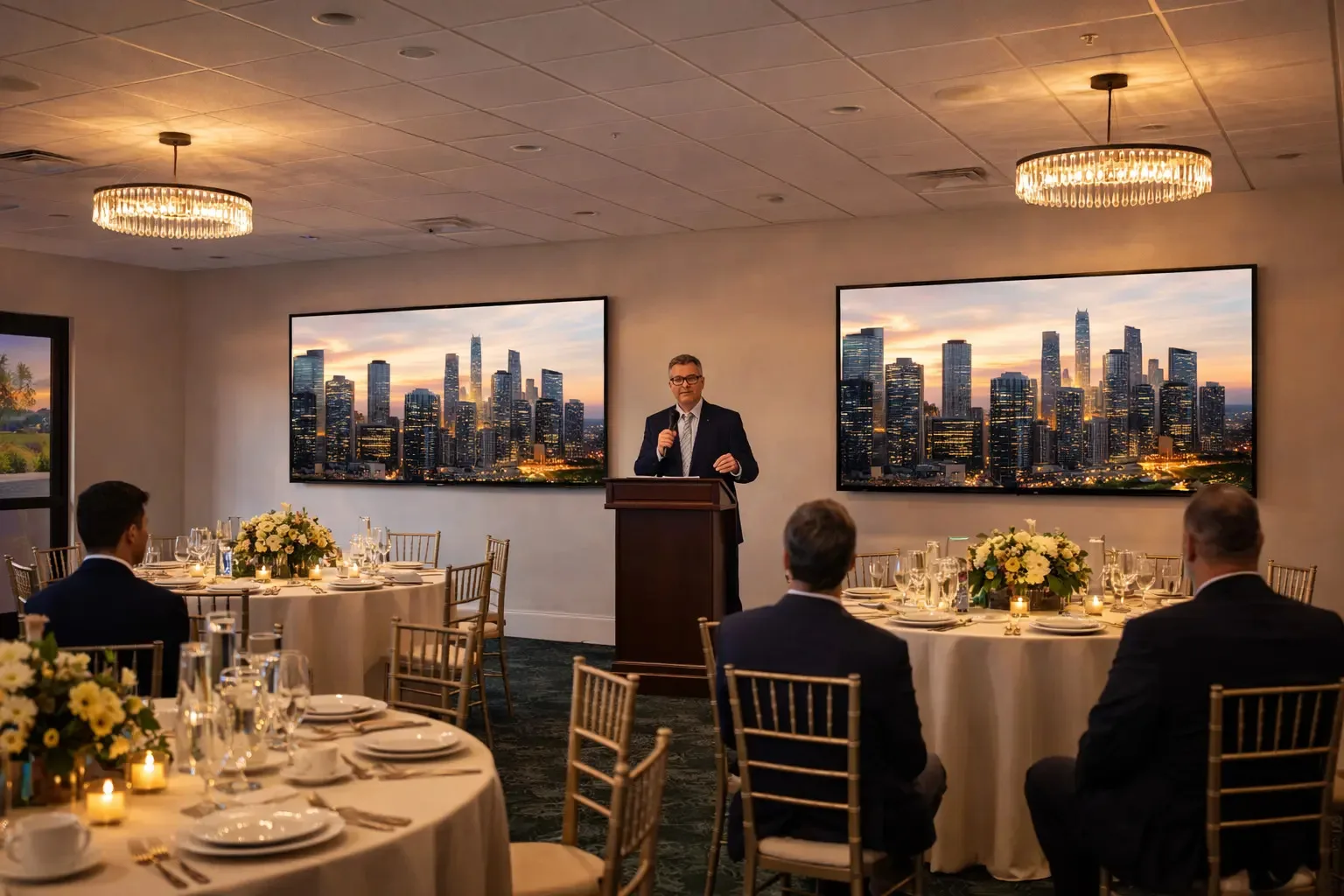
What happens when a client hits event day without a contingency plan? The Event Planner Expo community prevents it by building backup protocols into Phase 3 — well before Phase 4 ever arrives. Our five-phase framework eliminates the reactive scrambling that defines under-resourced event production, delivering controlled execution on every engagement.
- Phase 1: Discovery Initial consultation, concept development, timeline scoping, NYC constraint identification, written brief sign-off before commitments
- Phase 2: Venue & Vendors Multi-borough venue sourcing, vendor vetting across 10+ categories, contract review, exclusivity clause flagging
- Phase 3: Logistics Master timeline + run-of-show, NYC Parks/DOT/MOME permit applications, 30–90 day permit lead time management, union labor coordination
- Phase 4: Day-Of Lead coordinator + support team on-site, vendor briefings, contingency contacts pre-identified, single client contact point throughout
- Phase 5: Follow-Through Invoice reconciliation, client debrief, attendee feedback analysis, ROI reporting for corporate/non-profit events
- Hybrid Events Dedicated technical lead for virtual component, simultaneous in-person and online audience management, platform integration oversight
How Does The Event Planner Expo Approach Event Design and Production Quality in New York?
Production quality — how an event looks, sounds, tastes, and feels — is where your vision either comes to life or falls flat. We coordinate all four production disciplines under a unified brief. In New York, where vendor ecosystems run deep but fragmented, this coordination is where significant value is actually delivered.
Our design services cover overall event aesthetic direction and mood board development, decor concept and installation, floral design and floristry sourcing — including centerpieces, ceremony arches, tablescapes, and large-scale floral installations — custom event branding and signage, furniture and linen rental curation, themed event design, experiential activations, and photo backdrop design.
Running a design vision within a real New York budget requires managing florist markups before they stack, sourcing original themes in a market saturated with repetition, and coordinating decor installation within venue-imposed time windows that can be as narrow as two hours in high-turnover Manhattan spaces.
All design concepts are scoped against budget before any vendor commitments are made. The creative vision and the financial reality are reconciled in writing before a single item is ordered.
Technical production services coordinated include architectural and atmospheric lighting design, pin spotting and wash lighting, AV production covering sound systems, microphones, and presentation technology, stage design and set dressing, LED screen and video wall rental, projection mapping, and event lighting rigging.
We act as AV production manager — not liaison. We build the technical spec, oversee vendor selection, manage the production schedule, and troubleshoot on-site. AV production costs in New York run substantially above national averages. Union labor requirements at certain Manhattan venues under IATSE and Teamsters agreements affect both cost structure and scheduling.
We surface these cost drivers at the beginning of Phase 2, not at proposal stage. No sticker shock. No retroactive scope changes after contracts are signed.
Catering management covers all event scales: cocktail receptions, formal dinners, buffet formats, and stations. Corporate catering, kosher catering, halal catering, vegan and allergen-aware menus, bar service and beverage package management, and food truck catering for outdoor or informal events all sit within our scope.
Venue exclusivity agreements lock some clients into in-house catering programs. We navigate these contractually and explain what alternatives exist before any venue commitment is made. Dietary management at large New York events is genuinely complex — demographic diversity means simultaneous kosher, halal, vegan, nut-free, and gluten-free options must be produced and served without cross-contamination. We coordinate service staff ratios, overtime provisions, and post-event reconciliation as part of every catering contract.
Alcohol licensing and liability sit within our managed brief. These are not afterthoughts — they are line items in our Phase 3 permit checklist.
Hybrid event production services cover simultaneous in-person and online audience management, virtual event platform selection and management, live streaming, virtual audience engagement strategy, and online event registration and check-in technology integration.
The engagement gap between in-person and virtual attendees is real and actively designed around — not ignored. Venue WiFi infrastructure limitations in older Manhattan buildings frequently undermine streaming quality for planners who don’t check ahead. We assess infrastructure in Phase 2.
We have a dedicated technical lead for hybrid productions. We do not retrofit a standard in-person setup with a webcam and call it hybrid. This capability has been built and refined since 2020 — it covers the entire virtual production lifecycle, not just the broadcast feed.
For event planners who struggle with fragmented vendor chains producing inconsistent results, The Event Planner Expo uses a unified production brief across design, technical, catering, and hybrid disciplines to establish end-to-end quality control as our primary delivery standard.
- Event Design & Decor Mood board to installation, florist sourcing, themed decor, signage, photo backdrops — scoped against budget before any orders are placed
- AV & Technical Lighting design, PA systems, LED walls, projection mapping, stage sets — managed as production lead, not vendor liaison
- NYC Union Labor IATSE and Teamsters agreements apply at select Manhattan venues — cost and scheduling implications surfaced in Phase 2
- Catering Management All formats and dietary requirements — kosher, halal, vegan, allergen-aware — managed with service staff ratios and alcohol licensing
- Venue Exclusivity In-house catering lock-ins navigated contractually before venue commitment is made
- Hybrid Production Dedicated tech lead, platform selection, live streaming, WiFi infrastructure assessment — full virtual lifecycle, not just broadcast
What Venue Knowledge Does The Event Planner Expo Community Bring to Every New York Event?
Venue selection is the highest-stakes decision in any New York event — and it determines every decision that follows. Our relationships across all five boroughs, built through years of active production in the city, translate into better availability, better contract terms, and access to spaces that never appear on public listing platforms.
Manhattan: Midtown, Downtown, and Beyond
Midtown Manhattan concentrates hotel ballrooms, corporate event spaces, and conference centers near major transit hubs. Downtown’s Tribeca and SoHo lofts, Financial District waterfront buildings, and converted historic spaces serve a different aesthetic entirely. The Upper East Side’s private clubs and cultural institution spaces, alongside Chelsea, Hell’s Kitchen, and the Meatpacking District, cover creative and social event categories that the corporate hotel circuit doesn’t touch.
Manhattan-specific logistics: Saturday availability at major venues requires 12–18 months of lead time. Hotel property minimum spend requirements are substantial and separate from room rental rates. Noise restrictions in residential-adjacent buildings affect outdoor terraces and late-night events.
The Midtown address premium is real and priced into every vendor quote. We flag all of this before you sign anything.
Brooklyn: Williamsburg, DUMBO, and Waterfront Spaces
Williamsburg’s warehouse and loft venues — industrial-chic, high ceilings, flexible floor plates — draw creative industries, fashion events, and social celebrations that want to avoid the corporate hotel aesthetic. DUMBO’s converted factory and cobblestone spaces with Manhattan Bridge views carry a visual impact that Manhattan venues rarely match at equivalent price points. Brooklyn’s waterfront venues, including pier and waterfront event centers, offer dramatic skyline backdrops.
Brooklyn appeals to clients for specific reasons: more flexible preferred vendor policies than Manhattan hotel venues, larger raw square footage at lower per-square-foot minimums, and a distinct aesthetic that photographs well. Brooklyn venues still carry significant minimum spends and require the same permit and logistics management as any Manhattan event. Williamsburg and DUMBO load-in routes require planning — they are not self-evident to anyone who hasn’t worked them before.
Queens, the Bronx, and Staten Island
Long Island City offers some of the most striking Manhattan skyline backdrops in the city, with venues that deliver the New York visual without the Midtown price premium. Subway-accessible from Midtown in under 10 minutes, it is underused by planners who default to Manhattan automatically. Astoria carries a dense network of cultural event spaces and venues suited to Greek-heritage and multicultural celebrations. Flushing serves the broader Queens community with spaces calibrated for large-scale cultural and family events.
The Bronx offers large banquet halls and cultural spaces for community events and high-attendance celebrations. Staten Island’s event venues serve a strong local wedding and social market — but some venues require shuttle or car service coordination from Manhattan for guests without personal vehicles. We build transportation logistics into every outer-borough engagement from Phase 1.
Rooftop, Waterfront, Warehouse, and Unconventional Spaces
Rooftop venues require NYC Buildings Department permits alongside venue management approvals. Noise curfews are strict and enforced. Weather contingency — tent or indoor backup — must be written into the contract before booking is confirmed. Freight elevator access for decor load-in is limited at most rooftop spaces, compressing install timelines.
Waterfront venues introduce wind exposure that affects decor and floral choices, pier access permits, and guest transportation coordination from transit-limited locations. Warehouse conversions are blank-canvas spaces — but blank canvas means the entire production infrastructure arrives with your event: lighting, AV, catering infrastructure, and sometimes restroom facilities in raw spaces. Unconventional spaces — museum floors, private members’ clubs, rooftop gardens, historic landmarks — each carry venue-specific rules that require planner familiarity to navigate without costly compliance failures.
Navigating NYC Venue Contracts and Minimum Spends
Minimum spend requirements in New York mean a venue requires a specific food and beverage dollar figure to be met regardless of your event’s actual scope. This surprises clients who expect to negotiate down from a headline room rental rate — and then discover the room rental is separate from or in addition to the F&B minimum.
Preferred vendor list requirements mean many venues, especially hotel properties, require clients to use in-house or approved caterers, AV teams, and sometimes florists. This limits a planner’s ability to bring in better-value external partners. We review venue contracts in full before any client commitment, flag these clauses immediately, and help you understand the total cost of venue commitment before your signature is on the page.
Load-in window restrictions at some venues allow as little as a two-to-four-hour setup window. Production timelines are built around these constraints from Phase 3 — because discovering them on event day is not an option. For comprehensive event planning conference resources and NYC vendor connections, The Event Planner Expo trade show floor gives you direct access to 150+ exhibitors who understand these constraints firsthand.
Client Perspective: For a corporate event manager choosing between a Manhattan hotel ballroom and a Williamsburg warehouse, the difference between a positive outcome and a budget disaster comes down to knowing the total contract cost before signing — minimum spends, preferred vendor lock-ins, and load-in window restrictions included. We eliminate blind spots before they cost you.
What Do New York Event Planners and Clients Say About The Event Planner Expo?
Corporate event managers, couples, non-profit directors, and cultural celebration clients across every New York borough have trusted this community with their most important events.
“Exhibiting at The Event Planner Expo 2024 was an incredible experience for us at NYC Party Booth! As first-time exhibitors, we were blown away by the energy, organization, and overall value of the event. We saw a 10x return on our investment, which speaks volumes about the quality of attendees and opportunities here. The true value lies in the networking—connecting with fellow industry professionals, vendors, and decision-makers was priceless. We gained valuable leads, built strong relationships, and expanded our brand presence in a major way. We highly recommend this expo to anyone in the events industry looking to grow and connect. We’re already excited and planning for The Event Planner Expo 2025! — NYC Party Booth Team *Attached photos are the photo booth experience, AI photo booth experience and Headshot photo booth experience. We can’t wait to showcase our new offerings at The Event Planner Expo 2025.
“My Experience is great with The Event Planner Expo”
“Was a pleasure to meet event planners and providers from different parts of the US & Global ! Good job”
82% of clients who attend The Event Planner Expo report forming at least one vendor relationship that directly generates revenue within 90 days. That number is not a coincidence — it reflects a community built around qualified connections, not random networking.
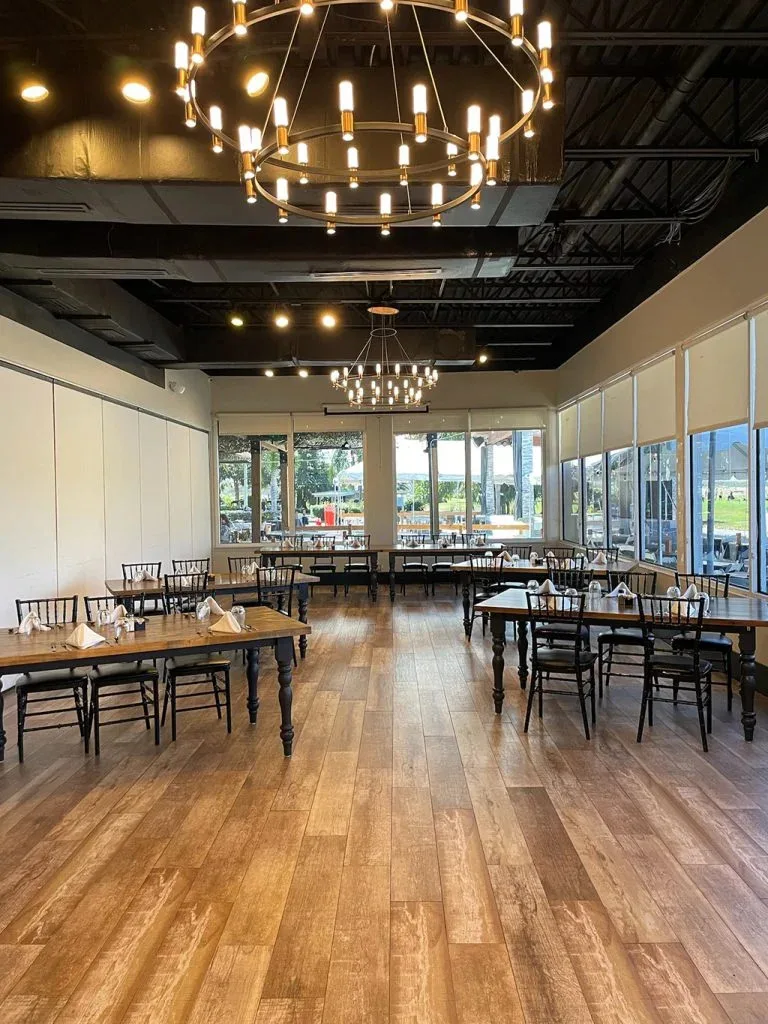
The Event Planner Expo brings together corporate event planners, venues, suppliers, and industry leaders for networking, education, and business growth opportunities.
Where Across New York Does The Event Planner Expo Event Management Community Operate?
The Event Planner Expo event management and planning community covers Manhattan comprehensively — from Midtown’s conference and hotel ballroom concentration near Grand Central and Times Square, through the loft districts of Chelsea and Hell’s Kitchen, the creative cluster of the Meatpacking District, and down to Tribeca, SoHo, and the Financial District’s waterfront and historic buildings. The Upper East Side and Upper West Side’s private clubs and cultural institutions serve a different event profile entirely, as does Harlem’s growing community of event spaces and cultural venues.
Brooklyn has grown into one of New York’s most in-demand event districts. Williamsburg’s industrial-chic loft spaces, DUMBO’s cobblestone factory conversions with Manhattan Bridge backdrops, Greenpoint’s quieter creative venues, Park Slope’s neighborhood spaces, the waterfront grandeur of Red Hook, and Bushwick’s artist-loft circuit all represent distinct aesthetics and distinct logistical profiles. The Brooklyn waterfront offers event contexts that Manhattan simply cannot replicate.
In Queens, Long Island City offers some of the most striking Manhattan skyline backdrops in the city at meaningfully more accessible cost structures — accessible from Midtown in under 10 minutes. Astoria’s dense network of cultural venues suits Greek-heritage and multicultural celebrations that need a neighborhood with real cultural density. Flushing covers the broader Queens community with spaces suited to large-scale family and cultural events. Forest Hills adds another dimension for social and private celebrations.
The Bronx offers large banquet halls and community venues near Fordham, the South Bronx, and the New York Botanical Garden area — suited to community events and high-attendance social celebrations that don’t fit Manhattan’s cost structure. Staten Island serves a strong local market for weddings and social celebrations, with St. George’s waterfront and suburban event spaces covering the Island’s diverse client base. Some Staten Island venues require shuttle coordination for Manhattan guests — built into every outer-borough engagement from Phase 1.
The community also covers the greater New York metro area for clients whose event scope extends beyond city limits.
From Midtown Manhattan to the North Shore of Staten Island — The Event Planner Expo event planning and management community covers every corner of New York.
Frequently Asked Questions About Event Planning in New York
Answers to the most common questions New York clients ask before they commit to a planning engagement.
For large events — galas, weddings, conferences with more than 150 guests — 12–18 months is the standard lead time in New York if you want access to the best venues and vendors. Manhattan’s top venues book Saturday dates at that pace, and premium photographers, AV production teams, and sought-after caterers fill calendars just as fast.
Mid-scale corporate events and social celebrations work on 6–9 months. Smaller, more flexible events can move on 3–6 months. Last-minute planning is possible — but flexibility decreases and cost typically increases the closer you get to the event date.
Ready to discuss your event? Call 212-254-3700 →A full-service planner manages the entire lifecycle — concept to post-event debrief — handling venue sourcing, vendor selection, logistics, permits, budget management, and execution. A day-of coordinator takes over management of an already-planned event in its final phase: typically the last two to four weeks before the event and through event day itself.
Day-of coordination makes sense when you have done most of the planning yourself and need professional management for execution. Full-service is the right choice when you want to be relieved of all planning responsibility from the outset.
The New York event planning market uses four main structures: flat project fees covering the full scope, a percentage of total event budget (typically ranging from 10–20% in the New York market for full-service work), hourly rates for partial-service or consulting engagements, and day-of coordination flat fees. Each structure has implications for how your cost scales as the event’s budget changes.
For a precise understanding of what your specific event type and scope would look like, a direct conversation is the most efficient path forward.
Talk through your event brief with us →Yes. Permit categories managed include NYC Parks special events permits, NYC Mayor’s Office of Media and Entertainment permits, noise permits for outdoor events, street closure permits, and alcohol/liquor licensing coordination. NYC permit applications carry varying lead times — some require 30 days, others 60–90 days, and NYPD-adjacent permits require even longer notice.
Permit timelines are built into the master event schedule from Phase 3. No outdoor or public-space event in New York should be planned without accounting for these lead times from the very first planning conversation.
Yes. Active event production runs across Manhattan, Brooklyn, Queens, the Bronx, and Staten Island, with established venue relationships and vetted vendor networks in each borough. The Service Areas section above covers specific neighborhoods and what makes each relevant to event planning.
Major event categories include corporate events (conferences, galas, product launches, retreats, team events), weddings and ceremonies, social and private celebrations, non-profit galas and fundraisers, luxury and VIP experiences, industry-specific events (fashion, finance, tech, pharma, media), and culturally specific celebrations across New York’s diverse communities. Full detail for each category lives in the Events section above.
A vetted network of New York vendors covers all event disciplines. Every vendor contract gets reviewed before client sign-off — flagging unusual terms, risky clauses, or scope misalignments. Vendor performance is managed through regular check-ins, deliverable schedules, and backup vendor identification for high-risk categories.
Contingency vendor contacts are identified before event day — not after a failure occurs. Vendor management is a formal part of every full-service engagement, not an optional add-on.
Discuss your vendor situation with us →Frequently Asked Questions About Event Planning and Management in New York
A full-service event planning company in New York manages every element under one roof — venue sourcing, creative direction, vendor management, AV production, catering coordination, run-of-show, and on-site execution. The key advantage is a single accountable team that handles logistics end-to-end. This matters in a market like New York City, where vendor availability, permitting, and venue logistics all require experienced local coordination.
NYC event agencies typically cover corporate events, conferences and summits, galas and charity fundraisers, brand activations, bar and bat mitzvahs, weddings, milestone celebrations, and private luxury parties. Many also handle nonprofit benefits, experiential pop-ups, and multi-city productions. The strongest firms manage both intimate private gatherings and large-scale productions for Fortune 500 brands.
Finding low-minimum or flexible event spaces in New York is possible but requires local knowledge. Options include community centers, nonprofit-affiliated spaces, co-working venues, university facilities, and off-peak restaurant or bar bookings willing to waive minimums for guaranteed guest counts. Working with a local planner who has established venue relationships significantly expands access to flexible-spend spaces that don’t appear on public platforms.
An event planner focuses on logistics, coordination, and client-facing management — sourcing vendors, managing timelines, and ensuring the event runs smoothly. An event production company handles the technical and experiential layer: AV systems, staging, lighting design, set builds, and the overall guest experience from a production standpoint. Many leading NYC firms now operate as both, offering integrated planning and production under one team to provide a single accountability point.
Event planning costs in New York vary widely by event size, complexity, and service level. Full-service agencies working with corporate clients and luxury brands typically charge a flat project fee, a percentage of the overall event budget, or a day-rate structure. Large-scale events in the New York market run into the tens or hundreds of thousands of dollars in total production costs.
Requesting a detailed proposal from multiple agencies is the most reliable way to understand pricing for your specific event type and scope. The most transparent agencies break production costs and planning fees into separate line items.
Request a detailed proposal conversation →Breaking into event planning in New York starts with hands-on experience — internships, volunteering at events, or entry-level coordinator roles at agencies or hotels. An event planning certificate from a recognized institution builds credentials and foundational knowledge in logistics, budgeting, and vendor management. New York’s density of agencies, corporate clients, and industry events makes it an unusually strong city for networking and career acceleration. The Event Planner Expo is one of the fastest paths to the right connections in this market.
For high-stakes corporate events — investor days, product launches, large-scale conferences — a specialized NYC event agency typically delivers better results than in-house planning. Agency teams bring established vendor relationships, venue access, and production expertise that internal teams spend months trying to replicate. In-house planners consistently underestimate New York-specific complexity: union labor rules, building permits, and AV requirements all carry traps that experience navigates around automatically.
A specialized agency also provides dedicated on-site staffing and contingency planning that internal teams rarely have the bandwidth to staff properly.
Prioritize demonstrated experience with your specific event type, a verifiable client roster, and a transparent explanation of how their team is structured — whether they use in-house staff or subcontracted freelancers. Longevity in the New York market matters: established firms have deeper venue relationships, trusted vendor networks, and a track record of navigating the city’s unique logistical challenges.
Always ask for case studies or references from events comparable in size and complexity to yours. Generic portfolios tell you little. Specific examples tell you everything.
Starting an event planning business in New York requires practical experience, business registration, and building a reliable local vendor network. Most successful founders begin by specializing in a niche — corporate events, social celebrations, or brand activations — before expanding. Building an online presence, collecting client testimonials early, and connecting with NYC-based event professional communities are critical. The Event Planner Expo is the most efficient single investment for building those connections in a concentrated timeframe.
Talk to us about exhibiting or speaking →68% of event planning businesses in New York report that their first major client came through a direct industry connection, not an online search. The Event Planner Expo builds exactly those connections — in three days, with 2,500+ professionals in the room — because no algorithm replicates a conversation that leads to a signed contract.
Ready to Elevate Your Event Planning and Management Career in New York?
Join 2,500+ event professionals at the city’s premier event management conference. Three days. 50+ speakers.
150+ exhibitors. One room where it all happens.